



What if peace was close by – right outside, maybe – a place where everything gets softer and thoughts stop racing?
Out here, where everything moves quick, quiet moments seem rare. Yet imagine building one of those pauses, just outside your door. This piece walks through shaping an open-air spot for meditation and yoga – simple, settled, made to feel like it belongs.
In this blog post, we will discover some easy and effective ways to build outdoor meditation and yoga spaces, helping you design your own tranquil retreat right within your home’s boundaries. From selecting the ideal location to incorporating nature’s elements.
Why an Outdoor Meditation Space Feels Different
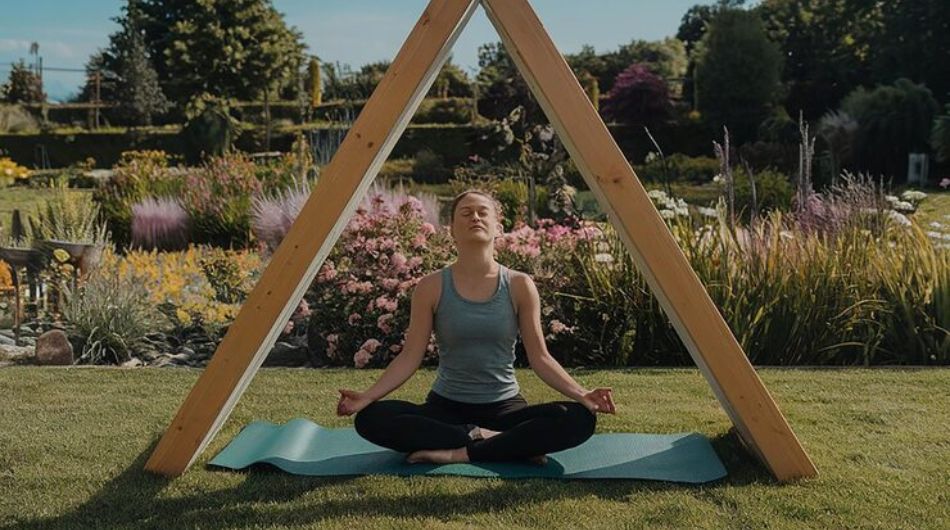
There is something powerful about practicing yoga or meditation outdoors. The natural environment assists the body, mind, and spirit to focus; therefore, it helps people connect with themselves in the present time. Indoor spaces don’t have the same natural mindfulness that outdoor spaces have. There is no need to force calmness; it is delivered to one, spiritual practice like Yoga or meditation is done in such an atmosphere.
Living outdoor space turns out to be much more than just a corner, it turns out to be your emotional restart button.
Choosing the Right Spot: Where Calm Begins
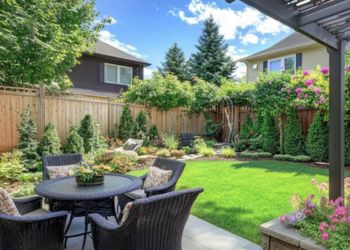
Find a spot in your backyard, balcony or garden to start with. This spot does not have to be big. A small corner is okay. What is important is how this spot makes you feel. Look for a place that’s quiet and has some shade, from the sun. It should also have good air moving around.
If you can pick a spot where you can see plants or the sky. Even a simple view of greenery can help you relax and focus during meditation.
Creating a Natural Foundation
Your base sets the tone for your space. Think about it you do not want concrete you want things that remind you of nature like wooden decking or bamboo mats or even soft grass. If you put a yoga mat on the floor and add a woven rug on top of it your space will feel really nice and inviting.
You can prefer colors like beige, green and soft brown because they make me feel calm. These colors are nice because they help your body feel relaxed soon as you walk into the space. Earthy tones, like beige and green and soft browns are very nice. They make your space feel cozy and comfortable which is what you want when you are trying to relax.
Incorporating Elements of Nature
Nature does not merely provide a backdrop but becomes part of the journey. Include flowers and plants that provide a peaceful environment. For example, one may use lavender for relaxation or plant bushes to create a cozy environment. In the event that space permits, a water element adds another layer of ambiance to your environment.
The flowing nature of the water makes it meditative by default. Even the inclusion of a wind chime can add some soothing sounds.
Comfort Matters More Than You Think
Meditation requires calm and stillness, but being restless may make it difficult to focus. Add cozy pillows, a space for meditation, and perhaps a hammock to unwind in if that you possess the space. Whenever doing yoga, check that you have enough room to move out rather than feel confined.
One may choose to purchase a basic canopy, a gazebo, or trellis if the climate in your location is unpredictable. This manner, your tranquil daily routine will not be disrupted by the intense heat or unexpected rain.
Lighting That Speaks to Your Soul
Lighting is crucial if you like meditating at night or doing yoga at dawn. Lighting should be soft and warm, such as lanterns, fairy lights, or solar lights used in gardens.
Do not use harsh lights. You need lights that are gentle and soothing, giving you the impression that everything should move slowly and calmly.
Adding Personal Touches That Inspire You
This is your personal space, which must have meaning for you. You may wish to place a statue, crystals, candles, or a vision board within reach. There are those who will feel comforted by spiritual imagery, whereas others will appreciate simplicity.
Each piece of decor must contribute to a sense of connection, helping you feel grounded and calm.
Keeping It Simple and Clutter-Free
A meditation room should never seem overbearing. Do not decorate it too much. Too many things might actually disturb you rather than relax you. Less is more. It creates space for your mind.
If the space around you is tidy, your mind will be too.
This Space Understands You More Than Words Ever Could
Ultimately, however, your meditation area is not only going to be functional but should make you feel better emotionally too. This will become your personal space in which you can connect back to yourself at the end of another difficult day and meditate in a place where everything will sound just right.
In today’s busy world when we have to put up with lots of stress and noise everywhere we go, having such a quiet little place is priceless. So, don’t try to find a perfect space; create a meditation nook of your own. Add elements bit by bit until you are able to transform an ordinary garden into something truly magical.