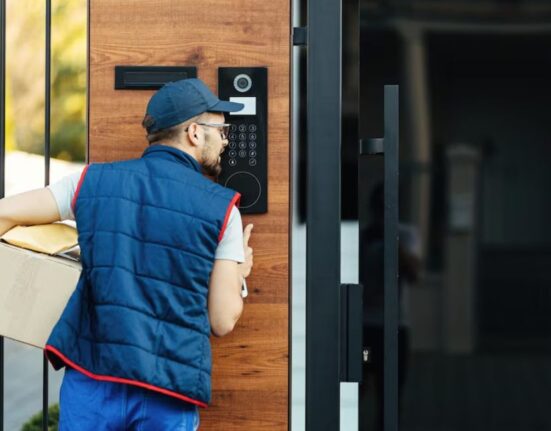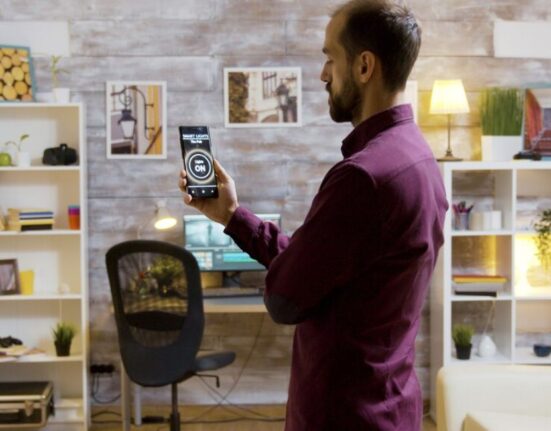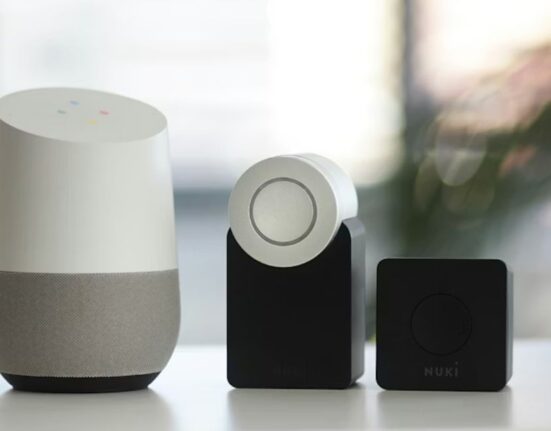





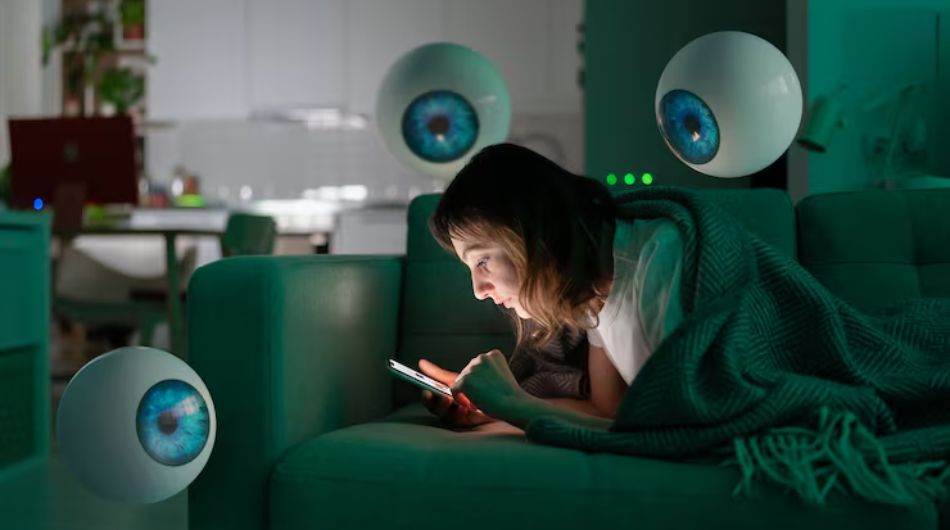
Do you sometimes have doubts about whether the voice assistant, camera, and TV in your house are listening to you a bit too carefully?
Although smart homes in 2026 are more convenient and comfortable than ever, there is no question that modern technologies make your private life more vulnerable to hacking. However, this does not mean that smart devices should not be used, they only need to be used wisely.
Below, we will consider the main risks associated with using smart homes, the warning signals, and some measures that will help you protect yourself.
Why Smart Homes Feel So Helpful
The use of smart home technologies makes everyday living simpler. Voice activated lights, learning thermostats, and motion alert cameras all contribute to saving time and, in some cases, may even add an extra layer of security – especially while you’re not at home. However, every technology that you use is yet another point through which information leaves your premises.
Where the Privacy Risk Starts
Privacy concerns start with data gathering. Smart gadgets collect information on voice instructions, motion activities, location histories, or usage statistics that can easily tell whether you are at home, where you spend your time, and how you and your loved ones live. Moreover, some gadgets even exchange data via linked services, making it rather difficult to figure out who exactly can access them and for what purposes. Simply put, the smarter your house is, the more information about your private life it gives away.
How Smart Devices Get Hacked
Security issues can arise from using easily guessable passwords, old versions of programs, or settings that have remained unchanged from their default state. Hackers can conduct a search over the internet looking for devices with vulnerabilities, particularly inexpensive or obsolete equipment that is no longer supported by manufacturers. From there, hackers may spy on you via the camera or microphone of the connected device, turn the device into a bot, or access your entire home network through the device.
Signs Your Home May Be Exposed
Although an intelligent house will typically not feature clear warning signals that alert you of any problems, there are some signs that may indicate that something is amiss, such as abnormal device behavior, unauthorized login attempts, unexpected alterations in the device settings, or notifications that you did not set up on your own. You should be wary of a device requesting excessive permissions, including the ability to track its location, use the device’s microphone, or sync data to the cloud continuously.
Simple Ways To Stay Safer
To lower your risks, you don’t have to be tech-savvy. Begin by altering default passwords, using two-factor logins whenever possible, and setting automatic updates for the firmware on all devices. Check your privacy settings within all applications and turn off any capabilities that you won’t be using, such as voice recognition software, location services, and excess data collection. Another recommendation is to isolate your Internet of Things from your other devices by using another Wi-Fi network.
Smart Habits For 2026
Safety within a smart home system depends on small changes made over time, not just once during initial installation. Take care to regularly monitor the devices that you connect, get rid of any devices that you are no longer using, and if possible, check the voice recording and activity history for any potential security issues. It is important to purchase products that provide updates and good privacy settings.
Final Thought
Smart home systems do not necessarily spy on you, but they tend to reveal much more of your personal information than you would expect. The danger does not come from one particular gadget; rather, it comes from the combination of too much data gathering, poor security measures, and forgotten settings. It takes a few precautions to have all the convenience of connected homes without sacrificing your privacy.
FAQs
1. Can smart home devices actually spy on me?
Yes, depending on how poorly secured, hacked, and accessible it is; it may gather audio, visual, geographical information, and user activity details.
2. Which smart devices are more likely to pose a threat?
Devices that can transmit audio, record videos or track behavioral patterns, such as cameras, smart speakers, baby monitors, and TVs are among the most vulnerable ones.
3. What signs should I look for when assessing security?
Make sure your device receives updates, supports reliable encryption, and allows to control privacy settings.
4. Does it mean I have to give up smart home devices?
Definitely not – it’s possible to avoid potential threats through proper configuration and privacy management.
5. What is the most effective measure to start with?
First of all, make sure you change your password and update device firmware automatically as soon as possible.