
How About Awakening to a House that Knows You Better Than Yourself? Is This Going to be Your Future by 2030?
Suppose, waking up to a sunrise of your liking, coffee that gets brewed automatically with your personal touch, and lights adjusting themselves according to your mood, all while you have been lying in bed, this doesn’t sound like the future anymore. The reality is changing at a faster pace than expected.
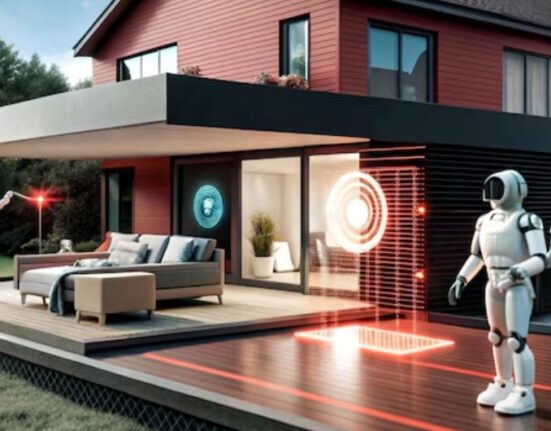
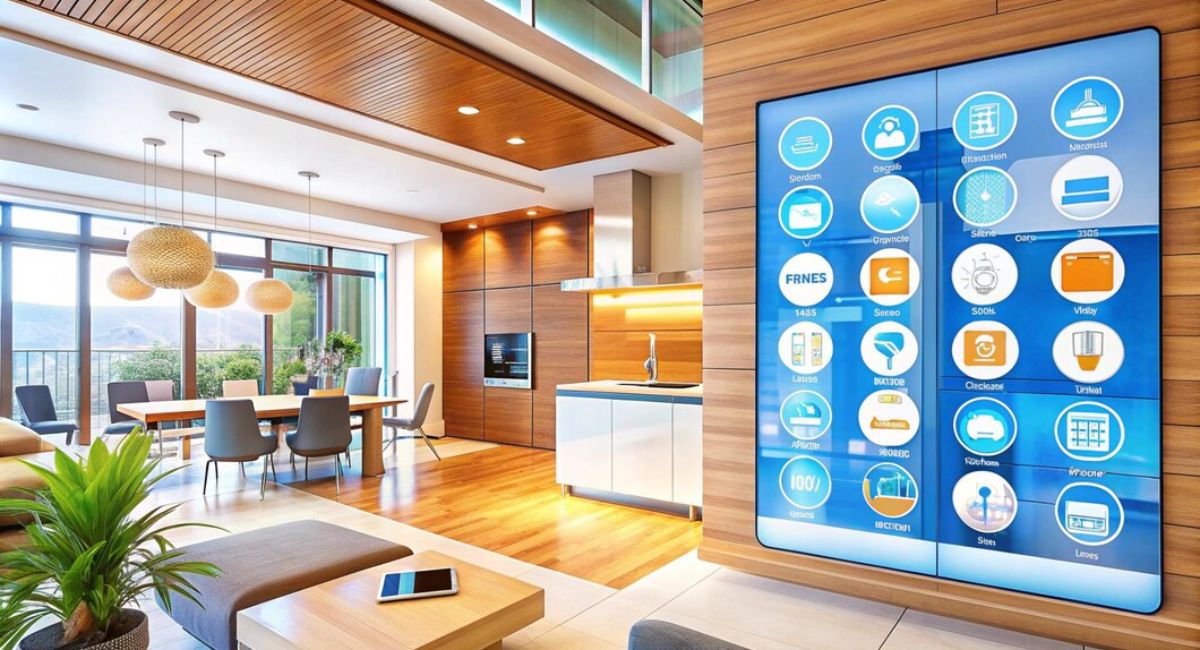
Smart houses will keep integrating technology into the essence of our lives and will be making our living places more secure, energy-efficient, and automated. This blog post will discuss some upcoming trends for smart houses in 2030.
Explosive Growth: Why Smart Homes Are Taking Over
In another decade, more than half of the world’s houses will be considered “smart,” up from the current 20%. What is behind the growth? Low-cost technology, advanced internet connectivity such as 6G, and energy savings goals all contribute to the trend.
Humans want convenience, including the ability to control everything from their phones. As energy bills increase, it makes sense to use smart thermostats and smart lighting. The industry is expected to earn $500 billion, attracting giants such as Google, Amazon, and Apple.
Top Trends Heating Up Smart Living by 2030
Smart homes will not only respond but anticipate your actions. The following are some of the major developments:
AI that Understands Your Patterns: Forget strict timetables. AI systems will learn your behaviors, such as reducing light when you rest or warming the oven for meals.
Voice and Gesture-Control Integration: Say farewell to applications. Move your hands or give simple commands to operate devices without relying on hubs.
Efficiency Crusaders: They will monitor energy consumption dynamically, reducing utility costs by 30% and contributing to environmental protection through renewable energy utilization.
Personal Health Caregivers: These gadgets will monitor air quality, sleep quality, and even vital signs, informing healthcare professionals if there is any anomaly.
These advancements create a cadence of effortless living, integrating technology seamlessly into your life.
Game-Changing Innovations to Watch
Innovation drives smart homes, and by 2030, look forward to seeing the following:
Matter Protocol: Universal Compatibility
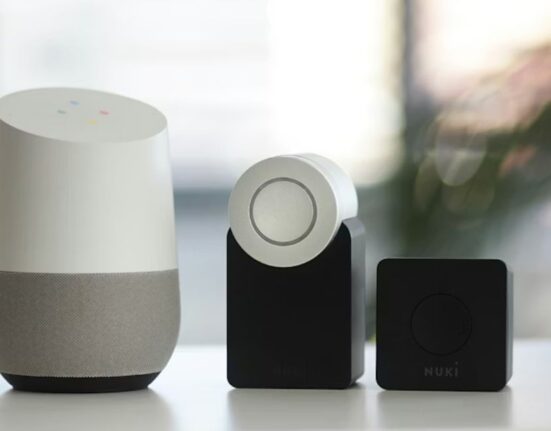
Say goodbye to device wars; the new open protocol allows devices from any manufacturer to communicate easily. Your Philips light bulb will work with your Samsung cameras with ease.
Edge AI: Intelligence at Your Home’s Edge
No more need for cloud technology as edge computing handles everything at a local level, keeping your home safe even when offline.
AR/VR Integration: Remodel Without Touching Walls
Try out different pieces of furniture using AR glasses or explore your house using VR from wherever you may be.
Sustainable Technologies: Smart Homes That Help the Environment
Self-healing walls that fix themselves, homes growing their furniture, and smart homes producing their electricity using advanced technology such as solar energy and wind.
Challenges on the Horizon: And How We’ll Tackle Them
There are no perfect futures. Privacy concerns arise due to data collection by devices; solution: blockchain technology for secure and user-controlled information. High costs? Reduced by 40 percent by 2030 through mass production.
Cyber-attacks? Quantum encryption ensures no intruder access. Digital divide? Subsidies are made available by governments. With proper solutions, challenges become stepping stones.
Your 2030 Smart Home: A Day in the Life
Skip forward to the year 2030. You reach your home, and the doors automatically unlock with the facial recognition technology. AI will play some relaxing songs, taking into account the stress in your voice. Your dinner will be cooked for you, with all nutritional benefits, thanks to data collected about your fitness.
This is much more than technology; it is a personal sanctuary of happiness and productivity.
Final Thoughts: Embrace the Smart Revolution Now
By 2030, smart homes will revolutionize convenience, sustainability, and security. Begin now with something small, such as a smart light bulb or a thermostat. The future is not coming, it’s here.
FAQs
Will smart homes be accessible to everyone?
Yes, prices will come down drastically, starting at less than $200 and with subsidies in most countries.
How safe are they?
Very safe because of quantum encryption and local processing, making any attacks virtually impossible.
Do I have to upgrade my entire home?
No, because of the Matter protocol that makes it compatible with existing devices.
What about privacy?
You decide what you share with opt-in capabilities and blockchain technology.
Are smart homes environmentally friendly?
Absolutely, because they reduce energy consumption by 30-50%.