
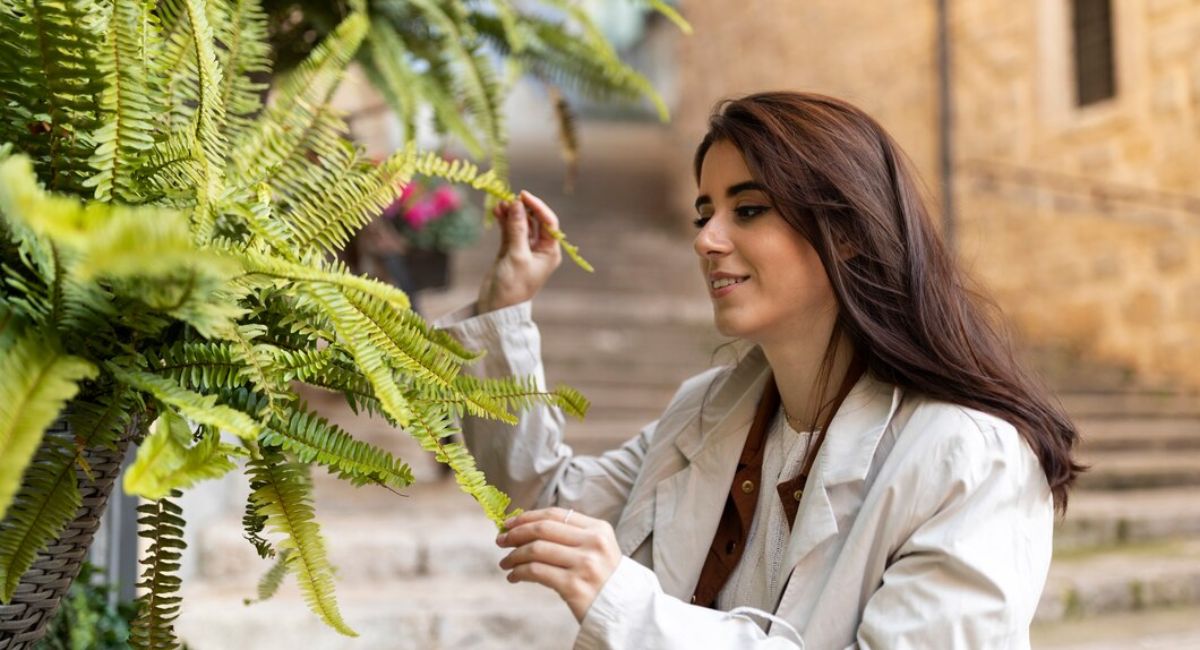
Do you wish that when you step out of your door, your yard felt like a natural oasis rather than a scene from a movie?
This blog gives an easy-to-understand guide on how you can create a naturally beautiful backyard in easy-to-follow instructions. In this blog, we will discuss the basics of designing, choosing plants and materials, layout, lighting, and maintenance.
Why a natural look works
- Natural style appears casual and ageless, harmonizing with its surroundings.
- It is easy to upkeep when the correct vegetation and building materials are selected.
- A natural garden attracts wildlife, adding vitality to your outdoor area.
Essence of the design: start with a theme
- Pick a particular mood to set: meadow-like, forest, beachside, prairie.
- Limit color and texture choices to evoke a single setting.
- Repetition of materials: stone, wood, grasses for rhythm and harmony.
Plan like a pro: Simple layout steps
- Designate zones of use: relaxation, walkway, sightseeing, and utility area (grill and storage).
- Curved lines should be used in the design of paths and boundaries, while straight lines convey formality.
- Establish the focus of the landscape at the natural eye level location.
Plants that feel natural
- Choose plants that are indigenous and adaptable; they require minimal water and maintenance.
- Tall trees and shrubs in the background, medium-height perennials, and ground covers in the foreground.
- Include some grasses, flowering perennials, and shrubs for variety.
Hardscaping that blends
- Use natural materials: stones native to the area, reclaimed wood, gravel, or compacted soil.
- Ensure that paved surfaces are limited in size and irregular to prevent artificiality.
- Select natural colors for patios and borders so that vegetation is highlighted.
Paths and edges that invite exploration
- Paths can be winding and vary in width.
- Plant material should overlap edges as opposed to creating strict boundaries.
- Consider decomposed granite, stepping stones, or mulched pathways for natural appearance.
Water elements, fauna, and detail features
- Introduce a birdbath, a small pond or water fountain for attracting birds and insects.
- Include native plants that offer flowers in spring and summer for pollinator nectar resources.
- Consider a log pile or some wild vegetation for supporting insects and other fauna.
Evening lighting options
- Employ low light sources and warm tones highlighting specific features.
- Solar path lights, uplights for specimen trees, and even a string of lights above a seating space will do nicely.
- Floodlighting is not advised, it destroys harmony of the natural garden design.
Low maintenance ideas
- Cover beds with mulch minimizing weed growth and helping to conserve water.
- Consider grouping plants by water requirements.
- Practice limited pruning in season; allow native plants to self-seed as needed.
Sample checklist for materials and plants
- Materials: Local stone, recycled wood, gravel.
- Plants: Native grasses, flowering perennials (seasonal color), native shrubs, a specimen tree.
- Extras: A bench/boulder, birdbath, low-warm lighting, mulch.
Design examples to consider
- Meadow style: flowing native grasses, wildflowers, and winding narrow path.
- Edge of the woodland: shady dapples, ferns, perennial shade lovers, and mossy stone path.
- Rock garden/coastal: sea-hardy grasses, succulents, and driftwood elements.
Budget considerations
- Start by refreshing one of the beds or building just one path.
- Use recycled material available at home (bricks, wood, etc.).
- Trade plants with others in the neighborhood or buy from plant sales in your community.
Final thought
The creation of a natural garden setting is more of a matter of patience and details that all come together through proper selection of plants and materials. With a particular theme and repeated objects, you can create an outdoor space that feels naturally relaxing.
FAQs
How much maintenance will the naturalistic garden require?
A thoughtfully designed natural garden requires minimal maintenance with periodic trimming, mulching, and occasional weeding; particularly during the first 1-2 years.
Is it possible for me to create a natural landscape in a very small garden courtyard?
Of course, just scale everything down, using containers of local flora, a single boulder or bench as a focal point, and a meandering path.
If my primary concern is water usage, what plants should I use?
Select drought-resistant perennial plants that are native to your area and divide them according to their watering requirements.
How can I manage weeds without using harmful chemicals?
Apply a thick organic mulch, plant densely so that weeds lack light, and weed by hand while they are still small; ground covers also prevent open soil.
What is the best time of year to plant?
The optimal planting times are in the spring and fall; when temperatures and moisture levels are favorable.