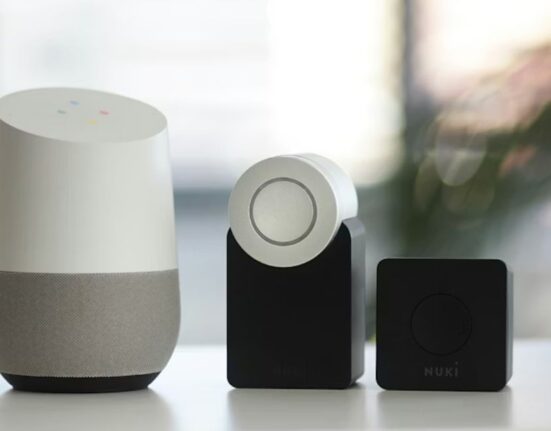

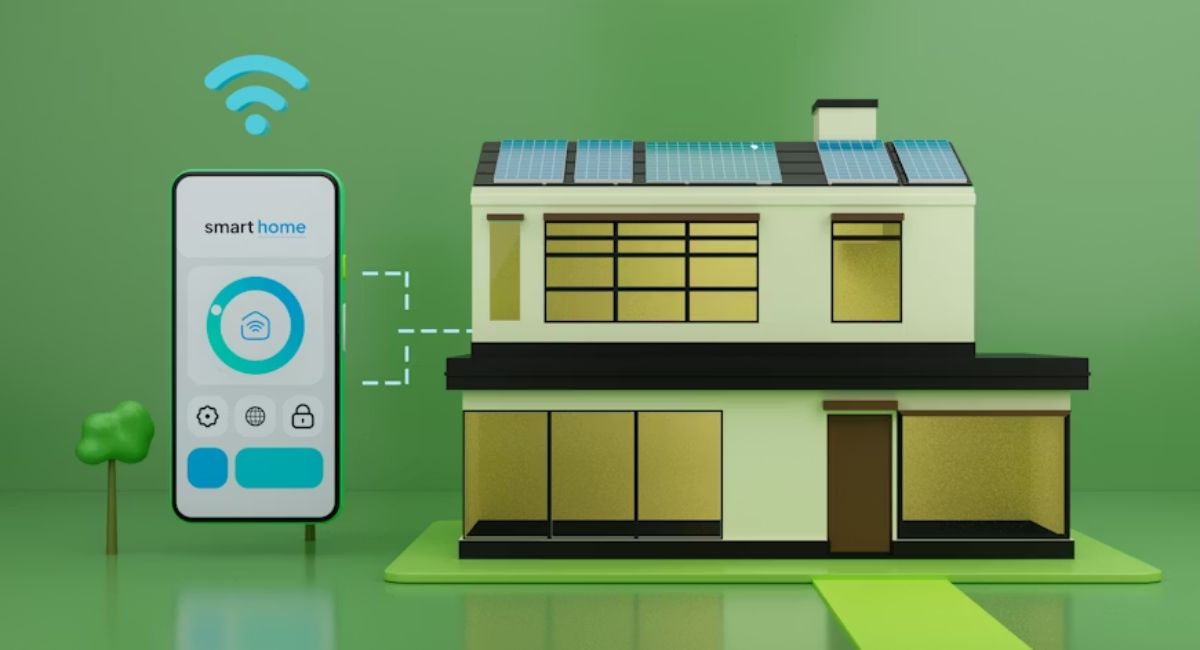
Looking for an attractive and functional smart home that is within reach?
You do not have to break the bank in order to turn your home into a smart and secure space. The right way to begin building your smart home involves the basic essentials like one hub, a couple of smart lights, plugs, and one security device. Most of the smart-home budgeting guides involve the same formula of starting off with the hub, followed by lighting, security, and eventually automation.
In this blog post, we’ll show you how to create a functional smart home for less than $500.
Why Start Small
The ideal budget-friendly smart home is not the one packed with all sorts of devices but the one that can help address genuine daily challenges such as controlling light switches while lying in bed, seeing whether a room is locked or unlocked from afar, or saving energy by switching off appliances left on accidentally.
Choosing to begin on a small scale will make sure you don’t encounter compatibility issues or waste money.
Set Your Budget First
Before making a purchase, it is essential to split the funds into easily understandable segments. Such an allocation will maintain the balance and help prevent the user from splurging on an expensive gadget.
Here’s how a good allocation for a $500 budget should look like:
| Category | Suggested Budget |
| Smart hub or speaker | $40–$60 |
| Smart bulbs | $30–$60 |
| Smart plugs | $25–$50 |
| Security camera or door sensor | $40–$100 |
| Smart thermostat or extra devices | $80–$150 |
| Backup buffer for deals or extras | $75–$100 |
Such budget allocations correspond well with those recommended by many experts in budget-smart homes.
Choose One Ecosystem
Choose one primary platform initially, for instance, Alexa, Google Home, or Apple Home, because it simplifies your installation process and ensures all devices communicate using the same language.
Having a unified ecosystem is also beneficial because you avoid installing too many applications. Several budget tips advise you to start from one platform and select compatible devices based on standards like Matter, Zigbee, and Z-Wave.
Buy These First
If you are just beginning to set things up, purchase your items in the following sequence:
- Smart speaker or hub.
- Smart lights for frequently used rooms.
- Smart plug for lights and appliances.
- A smart security item, such as a camera or a contact sensor.
- A smart energy savings item, like a thermostat.
This sequence makes sense because it provides instant results in the beginning. Most budgeting articles advise buying a device that makes the biggest impact first, then adding devices to each room one by one.
Best Budget Devices
Premium brand names are not required to produce impressive results. Many cost-effective devices are available from affordable smart-home solutions that incorporate smart plugs, cheap smart lights, entry-level cameras, and inexpensive hubs.
The following are smart devices that should be considered to purchase:
- Smart speaker or smart hub for voice control.
- Smart lights for bedrooms, living rooms, and hallways.
- Smart plugs for lamps, fans, and coffee machines.
- Sensors like motion or contact for security purposes.
- A cheap camera for monitoring at the door or front entrance.
Among the easiest and simplest wins is smart plugs as they turn any normal lamp or device into smart one instantly. The next smart device type is smart lights as they are easy to install and very helpful during daily routines.
Easy Starter Setup
This is an example of a smart home that will cost less than $500:
- Voice controlled speaker or hub: $50
- Four smart light bulbs: $40
- Four smart plug-ins: $40
- One security camera: $50
- Two sensors: $30
- One smart thermostat or additional lighting: $100
- Additional budget to get discounts or additional items: $140
Totaling less than $500, but providing voice-controlled and lighting features, security, and energy efficiency. Online budget guides will give you similar recommendations, always starting with the basics.
Make It Feel Smart
Purchasing gadgets is just the first step. The true magic lies in straightforward automation.
Check out these basic automation tasks:
- Lights turn on as the sun sets.
- They turn off once you’re ready for bed.
- Plug switches automatically shut off whenever you leave the house.
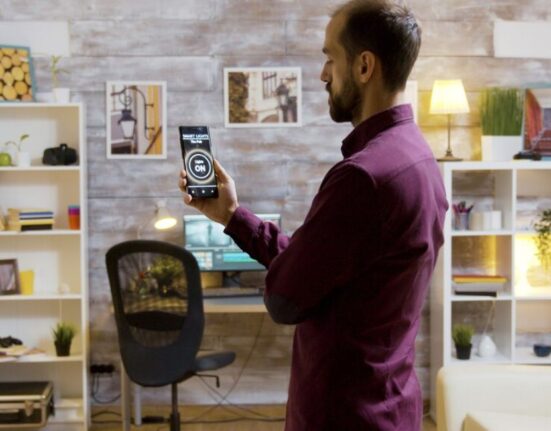
- Your phone alerts you when there’s movement in your house captured by the camera.
- Program a temperature control system to regulate morning and evening temperatures.
Automation can be as simple as this, saving you time and allowing your smart home to come together without the need for complex configurations.
Money-Saving Tips
An efficient budget will go far if you do your research on your purchases. Special occasions such as sales, combos, or starter packs usually reduce costs at purchase.
Incorporate these strategies to help you save even more:
- Begin with one room.
- Opt for multi-packs where you can.
- Only purchase expensive gadgets during sales.
- Purchase gadgets that have adequate app support and guarantees.
- Make sure your initial gadgets work properly before purchasing others.
This incremental way of buying gadgets is generally recommended in budget-friendly smart home manuals.
Common Mistakes
First-time purchasers often overspend. They buy many gadgets, but the gadgets may not function harmoniously.
Here are some common mistakes to avoid:
- Buying from various brands too soon.
- Getting sophisticated devices without understanding the app.
- Neglecting compatibility.
- Spending on features that won’t be used.
- Omitting the budget plan.
It is often best to keep things simple rather than complex. The most intelligent budget houses are constructed gradually rather than hurriedly.
Final Thought
It is totally feasible to get a smart home for less than $500 by concentrating on the essentials: convenience, security, and small savings. First, go for a hub, followed by lighting and plug components, and eventually install additional security features and smart home devices according to your budget.
The idea is not to create a perfectly intelligent house right away. It is to develop a practical house that can evolve with you.
FAQs
1. Is it possible to create a smart house on less than $500?
Yes, it is possible to create a useful system on a budget of $500 by choosing a hub, smart bulbs, plugs, and one security system.
2. What devices should be bought first?
A good choice for your first purchase would be a smart speaker or hub followed by bulbs and plugs.
3. Do I have to use a hub in my smart house?
A hub is not necessary in every smart home, but it makes your home management process much easier.
4. What devices provide the best value for money?
Usually, plugs, lights, and thermostats give more benefit than other types of devices.
5. What steps do I have to take to choose good devices?
You should concentrate on one brand first and make sure that all devices are compatible with each other.