
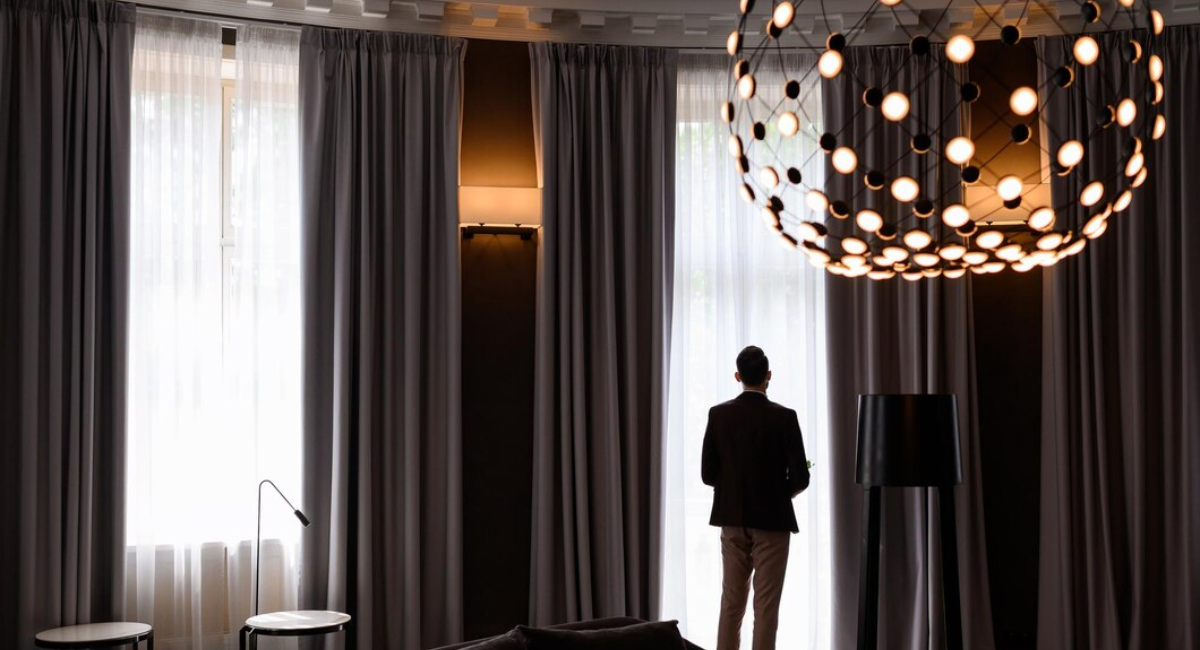
Do you wish that your curtains automatically opened when the morning sunlight was optimal for you?
Smart curtains and blinds are fast becoming a normal feature in houses and workplaces. They have the ability to open and close according to specific time, voice control and even according to light and heat levels. To some individuals they represent luxurious gadgetry, while for others they represent a useful advancement that reduces energy consumption and improves convenience. Whichever is the case, you will make your choice based on various factors.
In this blog post I will discuss what smart window treatments entail, who benefits from them, their cost-benefit analysis, comparison with conventional window treatment systems and how to choose the right one.
Why Smart Blinds & Curtains?
Convenience: Schedule them, use voice assistants, or control them through apps from anywhere. No more hunting around for wires or accidentally leaving your windows open.
Savings on energy bills: Automated shading systems can save you money by blocking heat during hot times and enhancing insulation during the cold season.
Privacy and comfort: Keep constant light and privacy levels without adjusting anything manually.
Accessibility: They make it possible for those who have difficulties moving to operate their windows independently.
Contemporary looks and easy integration: Many automated window shades have a modern appearance and integrate well into smart homes.
How Smart Systems Work
“Intelligent” window treatments incorporate miniature electric motors, wireless communication technology (Wi-Fi, Bluetooth, Zigbee, or Z-Wave), and various types of sensors. They may be controlled by:
- Scheduling time through an application.
- Sunrise/sunset or geofencing based on your phone’s GPS location.
- Light, temperature, or movement sensors.
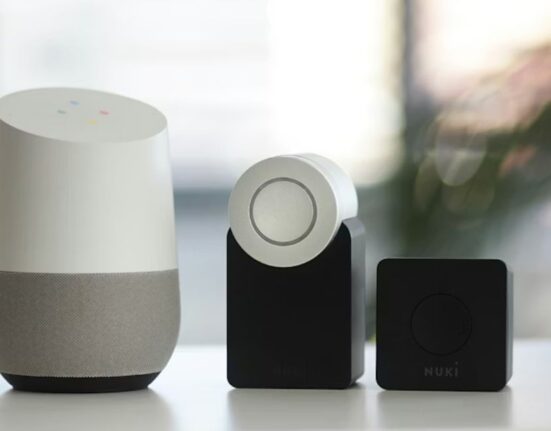
- Voice control from voice assistants like Alexa, Google Assistant, or Siri.
- They either integrate into existing window blinds and drapes or are complete replacements for them.
Who Should Consider Them?
- Busy homeowners who prefer hassle-free comfort and routine.
- Residents of multi-story homes who do not want to use a ladder for adjusting their tall windows.
- Homeowners who want to save on heating and cooling costs in sunny weather or large glass facades.
- Gadget lovers who appreciate linking their gadgets to the smart house.
- Individuals requiring greater accessibility either at home or in a care facility.
Cost vs. Value
Smart window coverings vary widely in price. Basic motorized retrofit systems may not be expensive, whereas custom motorized draperies and designer shades can run into hundreds to thousands of dollars per window. Think about:
Initial cost: hardware, professional installation, and possible smart home hub.
Long-term return: savings in energy costs, better home comfort, and home resale value.
Maintenance: battery operation, charging, or low-voltage wiring, and servicing of motors.
The added convenience and energy saving make up for the cost for some people; for others, the cost makes it a luxury.
Comparing Brands and Options
Most of the competitors and products cater to varying needs:
Affordable retrofit kit: Suitable for fast installation and DIY use.
Moderate smart roller blinds and cellular shades: Mix affordability with good features such as application control and voice commands.
Premium custom drapery and smart systems: Provide design options, quiet operation, and complete integration with smart homes.
In evaluating these alternatives, consider the following factors: easy installation, reliable app control, battery life, noise, voice compatibility, and warranty.
Installation and Setup Tips
- Measure the windows before purchasing to prevent the delay caused by having them custom made.
- Wired shades work well for more frequently used windows, while battery-powered shades are better for retrofits.
- If installing into a smart home system, verify that they are compatible first.
- Installation by a professional is helpful when dealing with big houses or lots of windows.
- Try out various automation schedules and sensors for a couple of weeks.
Real-life Use Cases
Morning: Gradual opening of shades upon waking up to allow light entry, coordinated with coffee makers and lights.
Heating: Automatic closing of blinds during hot afternoons to cut down AC use.
Vacation: Automated opening and closing of shades to create an impression of presence.
Media: Automatically closes curtains when the TV is switched on.
Potential Drawbacks
Cost: Good systems are costly.
Technical dependence: Software defects, networking problems, or power outages can interfere with operations.
Maintenance cost: Motor problems or battery replacement are recurring costs.
Limitations of styles: Certain styles might not fit certain decoration themes, although the range is widening.
Final Thought
Automated blinds and curtains may work as an expensive but practical solution. If you enjoy convenience and energy-saving solutions, they might prove to be quite helpful. Otherwise, more classic options will be appropriate if you do not have enough money for the smart blinds and curtains or do not like modern technology. Consider what is important to you, how many windows you are going to equip with the coverings, and so on.
FAQs
1. Is it worth the money?
It might be if you care about convenience, energy efficiency, or accessibility. Estimate the possible savings for your heating and cooling needs and weigh the importance of automation in your decision-making process.
2. Can they work without Wi-Fi?
Most smart blinds can operate locally using remote controls or Bluetooth without needing internet connection or cloud access. Advanced app control and voice commands usually require Wi-Fi or a hub.
3. How long will the batteries last?
Battery lifetime is dependent on individual blinds and usage, from several months up to even a couple of years. The presence of rechargeable motors and hardwired installation will solve the problem.
4. Can I integrate my existing curtains/blinds?
Certainly. Several manufacturers produce retrofit motor kits suitable for installing smart functionality into roller shades, venetian blinds, or curtain tracks. Make sure you check compatibility and weight limits.
5. Will the smart blinds increase the value of my house?
They certainly might add to the value of your property if it meets the needs of future buyers interested in smart home systems and energy-efficient solutions.