

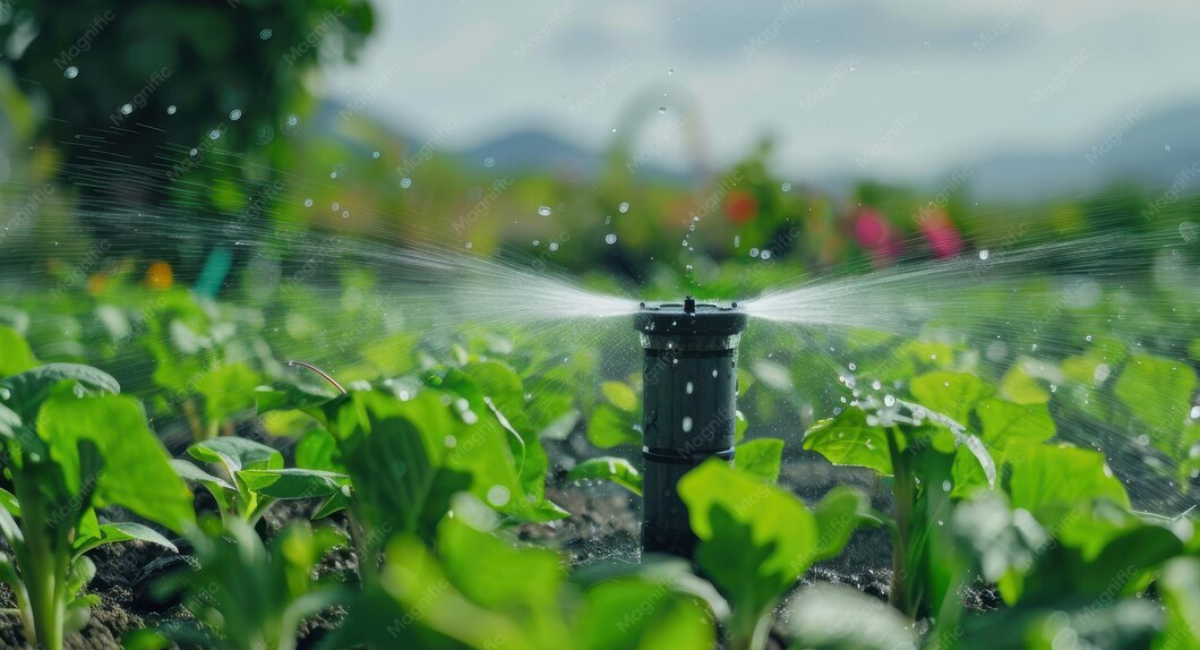
Did you ever wonder how much water is wasted by your garden when you are sleeping?
Smart irrigation systems are revolutionizing lawn, garden, and farm watering techniques. Using sensors, weather data, and intelligent controllers, smart irrigation systems ensure that plants get just the right amount of water without wasting a single drop. Both homeowners and business owners benefit from these systems through water conservation, cost reduction, and enhanced landscape health.
This blog will discuss what smart irrigation systems are, why they conserve water, popular features to look out for, major players in the market, benefits, installation basics, concerns, and choosing the best smart irrigation system for you.
What is a smart irrigation system?
An intelligent irrigation system refers to an automatic irrigation system that makes use of technology to irrigate effectively. Unlike traditional irrigation systems that follow a pre-set schedule, an intelligent irrigation system bases its scheduling on moisture content in the soil, weather conditions, plant species, among others.
How these systems work
Smart irrigation is comprised of both hardware and software. Soil sensors detect the moisture content and temperature. Weather services or a built-in rain detector provide information on the imminent rainfall or warm weather to the controller. This allows the controller to adjust watering intervals and duration based on the information received. Some systems can even learn from past experience and make better decisions in future.
Key features to look for
Ensure that your soil moisture sensors are located in the root zone rather than surface probes only. It is important to integrate the weather conditions; systems that incorporate the local weather forecasts perform better than those without. Zoning will enable you to manage your lawn, shrubs, and vegetable garden separately. The best mobile application will have options for manual override, irrigation history, and notifications.
Benefits you’ll notice
Smart irrigation conserves water and cuts utility costs due to reduced water usage. Plants get their water in an accurate manner, thus enhancing their well-being and preventing overwatering diseases. The systems also help in detecting any water leaks or broken sprinkler heads hence saving maintenance time. Smart irrigation systems allow automation and remote control.
Common drawbacks and limits
The initial price is also more than that of a basic timer system, and it might require a little more effort to install. Certain models need subscriptions for some special features or weather information. There are also issues of security and privacy when connecting to the Internet.
Smart vs. traditional irrigation
The old-fashioned irrigation systems depend on fixed schedules and operate on the assumption that conditions will remain constant. Modern irrigation systems, however, make adjustments constantly. The outcome is that old-fashioned irrigation systems tend to be wasteful and either overwater or under-water plants, whereas modern irrigation systems utilize the available resources optimally and cater for actual conditions. Many properties can recoup their investments quickly after installing a smart irrigation system in their existing irrigation networks.
Top competitors and what they offer
A lot of companies try to make a market here with their unique approach. Some concentrate on ease of use and nice-looking hardware for residential customers. Others focus on commercial and agricultural applications with powerful sensors and analysis. Open platforms, which are compatible with home automation systems, are offered by some brands, whereas others provide bundled sensors and controllers.
Installation and maintenance tips
It is important that sensors are installed in the right place; that is, in the root zone of the representative plants. You should zone your garden based on plants and sunlight in order to irrigate effectively. Test your irrigation system once you have installed it: test it for uniformity and leakage. Batteries should be replaced annually.
Cost and payback
The initial cost depends on the size and complexity of the property. A simple smart controller and two or three sensors will work fine for most people, but bigger properties or agricultural purposes would need more sensors and controllers. The savings result from lower water bills, lower replacement costs, and labor savings. Most people recover their investment within a few years.
Final thought
Smart irrigation is an effective technological solution for water conservation while ensuring landscape sustainability. Regardless of whether you have a garden or a large piece of farmland, such systems introduce technology into what was previously done by guesswork. Proper planning and correct sensor/controller combinations will ensure efficiency and optimal results.
FAQs
1. How much water will smart irrigation save?
The amount varies by previous irrigation system and local climate, but homeowners have reported 20-50% savings when compared to fixed irrigation timers.
2. Does smart irrigation require Wi-Fi?
While most systems use Wi-Fi, others are capable of working without Wi-Fi or even have separate connectivity options, such as cellular hub.
3. Can I upgrade an existing sprinkler system to smart irrigation?
Yes. Smart irrigation systems are compatible with existing sprinklers and can be installed without replacement of the current hardware.
4. Are smart irrigation systems weather-proof?
Smart irrigation equipment is usually made to withstand weather elements, although some research regarding IP ratings should be considered.
5. Does professional installation of smart irrigation system require?
Some homeowners prefer to install smart irrigation system by themselves, while others prefer assistance from professionals.