
Do you ever walk into a room and instantly feel more relaxed?
The modern-day home is moving away from simply being a stylish place and toward becoming one that actually helps our health, both physically, mentally, and emotionally. With increasingly hectic lifestyles and smaller homes becoming the trend, it’s no surprise that people want to incorporate features that will help them de-stress, increase energy, and improve their day-to-day health.
This blog will introduce the latest design trends in wellness and explain why they are important.
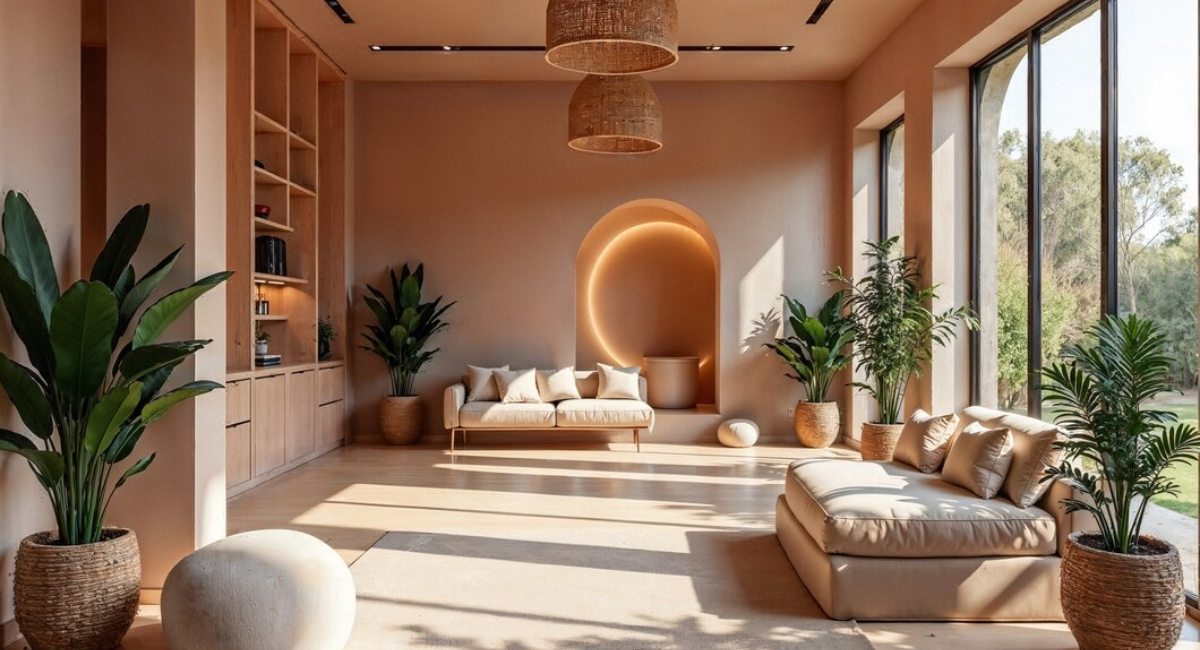
Natural Light That Energizes
- Harness the power of sunlight. Sunlight boosts morale, synchronizes sleep patterns, and creates an illusion of more space. Methods:
- Large windows and skylights strategically placed to take advantage of either morning or afternoon sunlight.
- Use of light wall colors and reflective surfaces to allow sunlight to penetrate further into the room.
- Use of sheer curtains that let in sunlight without glare.
Remember: Set up your main work or rest area close to a window.
Biophilic Design: Bringing Nature Inside
- We love nature, even in urban settings. Biophilic design helps us connect to nature and reduces stress.
- Plants indoors: low-maintenance plants such as snake plant, pothos, or ZZ plant.
- Natural materials: wood, stone, jute, and cork used on floors, furniture, or accent walls.
- Living wall or plant shelf for texture and freshness.
Remember: Begin by creating a plant corner and gradually increase as you discover what works best for your environment.
Calm Color Palettes and Textures
- Colors influence emotions: Wellness-oriented houses use calming colors and soothing textures.
- Colors: muted greens, soft blues, warm neutrals, and natural colors.
- Textures: piled carpets, hand-woven throws, and textured cushions for creating a comfortable atmosphere.
- Contrast accents: One strong element such as artwork or pillows to maintain interest.
Remember: Colors should be used according to their function. Cool colors in the bedroom for relaxation, warm colors in living areas for socialization.
Air Quality and Clean Living
- Healthy air is important for good health and clear-headedness. Clean air approaches have become design necessities.
- Ventilation: Optimize cross ventilation or employ energy-saving heat recovery ventilators.
- Use air-purifying plants and HEPA filters in allergy or polluted areas.
- Choose low-VOC paints, sealants, and finishes for healthier interior environments.
Remember: Open your windows daily if air quality outside allows, and maintain your HVAC system.
Mindful Layouts for Flow and Function
A pleasant environment is easy to navigate and suits your lifestyle.
- Clear sight lines with designated areas: well-defined spaces for working, relaxing, and socializing.
- Furniture flexibility: foldable tables, modular sofas, and movable storage options.
- De-cluttering systems: concealed storage, baskets, and regular tidying to eliminate visual overload.
Remember: Set up a “landing zone” at your entryway for storing keys, shoes, and mail.
Sleep-Forward Bedrooms
Wellness is supported by quality sleep. Arrange your bedroom for quality sleep.
- Use blackout curtains, adjustable lights, and fewer electronics around the bed.
- Get a comfortable bed with breathable sheets (cotton and linen).
- Use soothing smells such as lavender in a diffuser or pillow spray.
Remember: Keep the bedroom only for sleeping and intimacy; do not use it as a workplace.
Home Wellness Tech (But Not Overwhelming)
Technology can aid rather than hamper wellness if done wisely.
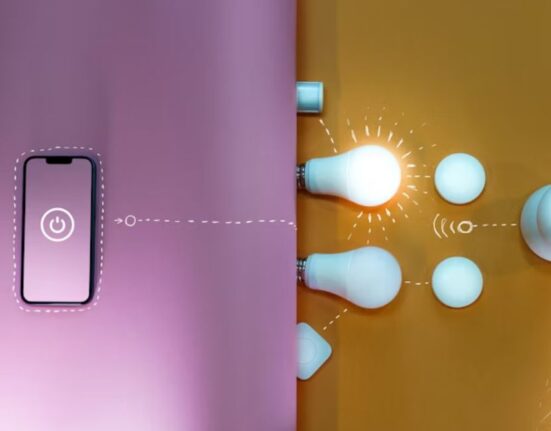
- Intelligent lighting that replicates the natural cycle of daylight.
- Air quality sensors and intelligent thermostats for health and energy saving.
- Devices that are subtle and respect privacy—no screens in relaxation areas.
Remember: Consider automating the dimming of lights in the evening to signal your body to sleep.
Multi-Use Wellness Spaces
It is necessary for homes to facilitate movement, relaxation, and concentration within small square footage.
- Mini-gym areas with folding equipment or resistance bands.
- Meditation corners with pillows, soft lighting, and storage space.
- Work-leisure zones that create separation using design or screen technology.
Remember: Rugs and shelves can be used to divide spaces without having to construct walls.
Sustainable Choices That Feel Good
Sustainable design helps save both the earth and oneself.
- Reused or sustainable materials.
- Energy efficient appliances and water efficient fixtures.
- Long-lasting and easily repaired furniture to prevent waste.
Remember: Tiny changes such as LED lights, water aerators, and bamboo fabric make a difference.
Final Thought
Creating a home that is centered on wellness requires the inclusion of components that contribute to a good night’s sleep, proper breathing, exercise, and relaxation. You do not have to make radical changes in order to create such a space because small steps, conscious decisions, and healthy habits will help you create a space that nurtures both your body and soul.
FAQs
1. How can I incorporate wellness design on a limited budget?
Decluttering, adding some low-maintenance plants, using warm LED bulbs, and incorporating textiles such as throw blankets and rugs are affordable ways to achieve this.
2. What is the best room to incorporate wellness design elements in?
This is best done in the bedroom and living room; focus on lighting, air quality, and comfort here.
3. Do indoor plants help with air quality?
While plants are great at refreshing your mood and space, they do not offer significant air filtration; combine with other solutions like ventilation and HEPA filters.
4. How can I incorporate technology into a calm and comfortable home?
Incorporate tech that enhances comfort (lighting and climate) without creating constant interruptions; limit technology usage in specific zones.
5. Is biophilic design possible in small apartments?
Absolutely; vertical gardens, natural materials, compact planters, and natural light can make this possible.