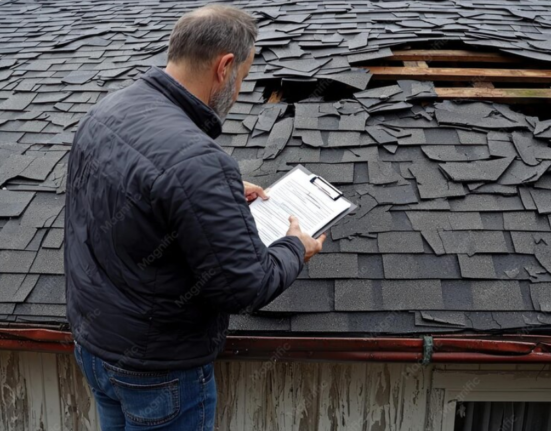







Which would be wiser when it comes to your next household fix-up – getting your hands dirty or bringing in a professional?
This question will hinge on a number of factors, including your finances, your competence, the urgency of the situation, and the danger involved. Certain fixes can be easily done by yourself, but some are best left to a professional, lest they become costly.
Why This Choice Matters
Home repair services go beyond being cost-effective. They also consider health, time, and quality of workmanship. A single error made during painting can easily be corrected, while those made during electrical, plumbing, and wall installation jobs can become more serious.
This is the reason many homeowners evaluate DIY and contract home repair services before undertaking any project. The aim is not to make an eternal choice for one of the two options.
What DIY Really Means
The main advantage of DIY projects is that you can make all decisions yourself. This means that you can decide when the project should be done, which materials to use, and how it will look like in the end. In addition, it can be cheaper because most of the cost of fixing something is in paying for labor.
DIY is ideal for simple jobs that do not require any special licensing or expensive equipment. Such jobs include painting, making shelves, repairing small damages in drywall, or installing new cabinet fixtures.
What Hiring A Contractor Offers
The use of a contractor saves time and provides assurance. An experienced contractor is aware of how permits must be handled, how codes are met, and what common errors could lead to problems. This becomes an issue when doing things like repair projects involving structural safety.
In general, contractors make the best choice when it comes to things like electrical work, plumbing, roofing, and remodeling. There are several reasons why these types of projects should never be attempted alone. A professional can save you money in the long run.
Side-By-Side View
Here is a simple way to compare both options:
| Factor | DIY | Hiring a Contractor |
| Cost | Lower upfront | Higher upfront |
| Time | Usually slower | Usually faster |
| Skill needed | Basic to advanced, depending on the task | Less personal skill needed |
| Risk | Higher if you are inexperienced | Lower with the right pro |
| Quality | Depends on your ability | Usually more consistent |
| Best for | Small, simple repairs | Complex, risky, or large jobs |
When DIY Makes Sense
Doing things yourself becomes a good option where the repair work is simple, harmless, and relatively easy to do. In addition, you may choose this alternative if you are not pressed for time and are willing to endure the process of learning how to do something. In cases where the repairs are mainly aesthetic in nature, you can potentially save quite a bit.
Such tasks may include repainting a room, altering fixtures, putting up shelves, patching holes, or minor repairs to walls. However, it might be a sensible idea to begin with something simpler if you are not experienced with doing such work before.
When A Contractor Is Better
The safer choice in these situations will be the professional contractor because the work will influence the safety and future value of your property. You will need a contractor because your mistake can bring further costs and even lead to structural damage that you will need to pay for.
It would be wise to engage a professional if your work requires permits, specific equipment, or manpower. It may be the case where you would prefer professional work that will look impeccable. The cost-effectiveness of such services usually outweighs their price tag.
How To Decide Fast
It’s easy to apply a quick three-point assessment before beginning any task. Is the job appropriate for someone who lacks experience? Do I have sufficient time and resources to complete the job effectively? Will making a mistake on the task cost me much?
A negative response to any of the questions suggests that hiring a professional might be a better decision. Otherwise, do-it-yourself projects could prove more beneficial when the task involved poses little risk and will not cost much to complete.
Final Thought
DIY work is appropriate when the repair is easy and not dangerous, and within your capabilities. However, the hiring of a professional contractor is more advisable in cases where there are risks involved or the task is complicated or urgent. Sometimes the most sensible option may not be the cheapest at the moment.
FAQs
1. What types of home repair are ideal for DIY?
Some examples include painting, repairing small drywall holes, putting up shelves, applying caulk, and replacing fixtures.
2. What kinds of repairs should you never attempt to DIY?
Complex electrical, serious plumbing, roof repair, and structural work typically fall into this category.
3. Does contracting out repairs always come at a higher price point?
Typically yes, as the professional service costs extra. But it can actually end up being cheaper in the long run since mistakes are costly.
4. What is one way to ensure your contractor is qualified?
Checking ratings, asking for referrals, ensuring their license if necessary, and obtaining an estimate from them will help.
5. Is it okay to combine DIY and contracting efforts?
Certainly. Many people choose to tackle some preliminary steps, such as cleaning, priming, or demolition, on their own first.