




In what type of roof can one expect to find refuge when the weather conditions are harsh?
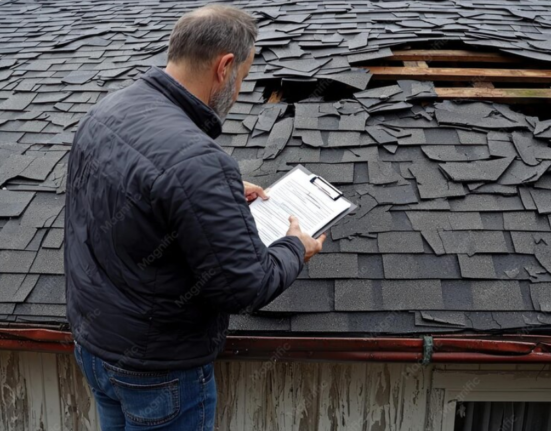
This is an important consideration when dealing with various weather conditions like storms, hot temperatures, hailstones, snow, and high-speed winds during different seasons of the year. The best solution to this dilemma would be a suitable choice of roofing materials, along with correct installation methods.
In this blog, we will explore the different roofing solutions that will withstand harsh weather conditions and where they work best.
Why Roof Choice Matters
The function of a roof is not simply to cover the home. It serves as protection for the house; maintains the indoor temperatures, and even saves money in the long run because of minimal repairs due to inclement weather. For houses in America, there are several environmental issues to contend with, such as hurricanes, hail, snow, high temperatures, and excessive rain. Thus, the roof should have more functionality than merely serving as an aesthetic value.
This is where the material becomes a critical element of consideration in the process of construction. Roofs that can survive dryness and heat conditions will not be suitable for places characterized by wind and rain.
Metal Roofing
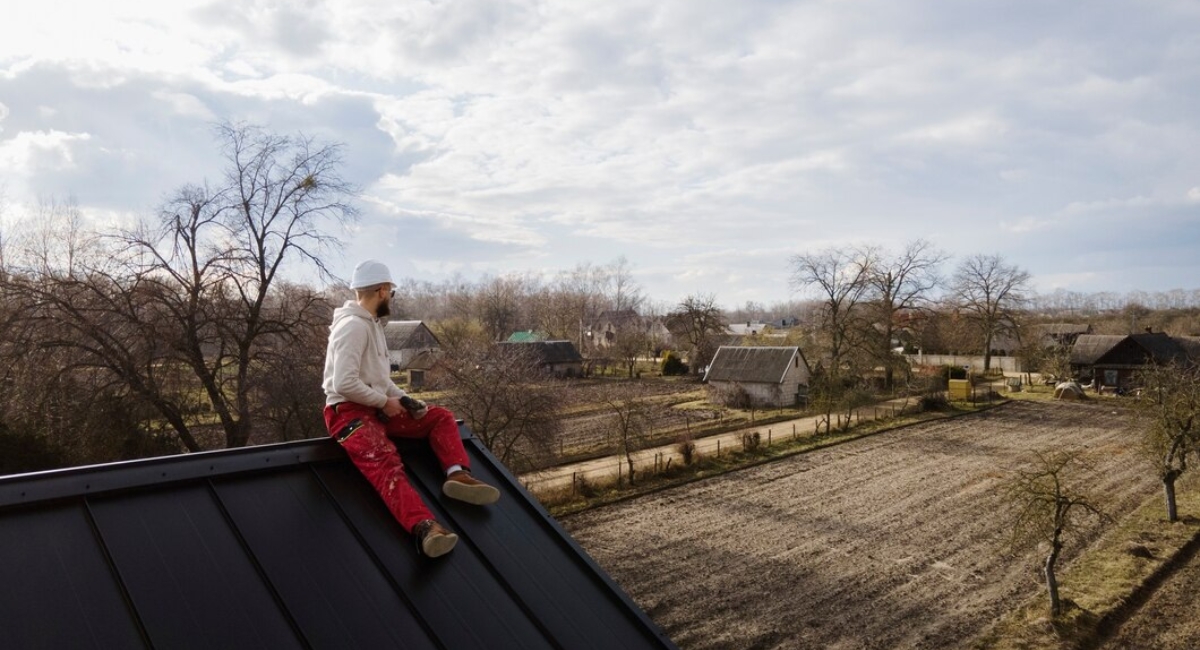
Metal roof is definitely one of the most durable options when it comes to stormy weather conditions. Metal roofs can resist very high winds, rain, and snow, not to mention they are very resistant in regions prone to fires, with a longevity of up to 40-70 years, depending on the way they are maintained.
One of the advantages of metal standing seam roofs is that interlocking panels do not come off even in hurricane conditions. Also, such roofs can easily get rid of accumulated snow.
Slate Roofing
One of the advantages of slate roofing is that it is extremely durable and resistant to hail, wind, moisture, and fire. This type of material has a lifespan of over 100 years, making it one of the longest-lasting roof options available. Its ability to withstand the wear and tear of time is truly remarkable, and is a major reason why slate is considered such an upscale roofing option.
The key disadvantages are the high price of the material and its considerable weight. Slate roofs can be quite costly to install, and the homeowner’s house should be capable of supporting a slate roof.
Impact-Resistant Shingles
Asphalt shingles remain a very popular roofing material, in large part due to their affordability. However, there are certain differences between conventional asphalt and impact-resistant asphalt. In areas where there is high exposure to hail storms, the latter offers superior protection.
Architectural or wind-rated shingles will be appropriate for severe weather conditions. These shingles do not last as long as metal roofs or slate, but they offer an excellent tradeoff between price and resistance.
Tile Roofing
Tiles made of both clay and concrete work very well in warm weather conditions and are also wind- and fire-resistant. Tile made of concrete generally works much better in severe weather conditions since it is more resistant to impact from heavy rainfall. Additionally, tiles have great curb appeal and therefore increase the aesthetic value of a house.
The problem here is weight. Just like with slate, special structural reinforcement may be required, and care must be taken during installation. If that is managed properly, tiles become an excellent roofing option.
Flat Roof Options
Roofing systems for homes with flat or low slopes include membranes like TPO and EPDM. Membrane roofing is appreciated for its high durability because it withstands high temperatures and is resistant to ultraviolet radiation when installed correctly. It is perfect for structures where the top surface is exposed to high amounts of sunlight and heat.
It is not the best choice for all houses; however, it is significant when constructing modern buildings or commercial constructions. In the case of a house with a flat roof, proper attention should be paid to choosing the right materials.
Best Match By Weather
What kind of roof you install ultimately comes down to its weather-resistance capabilities, not just cost and aesthetics. While metal roofs are great at resisting wind, rain, and snow, slate roofs are perfect in terms of durability and resistance against impacts. Impact-resistant shingles are another good choice in between, especially tile roofs in windy places that experience high temperatures.
In general, the most effective strategy is to prioritize weather-resistance over anything else, since this approach will save you from costly errors.
Final Thought
Severe weather cannot be overlooked anymore, and one of the areas where signs of this will show first is the roof. A prudent option would be a roofing material that suits both the weather conditions you live in and your financial capability.
In the U.S., a roof built with a metal roof material could prove to be a wise option because of its durability and longevity, as well as impact-resistant shingles that provide better protection at lower prices. Slate and tiles may also offer great benefits.
FAQs
1. What is the toughest roofing material in harsh weather?
Slate is seen as the toughest roof since it lasts more than 100 years and has excellent performance against hail, wind, fire, and water damage.
2. Is metal roofing good for hurricanes?
Yes, metal roofing is one of the best roof materials that offer durability and security in windy and hurricane-prone environments.
3. Do asphalt shingles work well in harsh weather?
Though shingles are popular, wind and impact-resistant shingles are tough roof materials when it comes to severe weather conditions.
4. What roof is best suited for heat?
Metal, clay tile, concrete tile, and certain types of membranes are good for heat due to their ability to handle harsh sunny weather.
5. What considerations should owners make before picking a roof?
Owners need to consider climate, roof style, house structure, cost, and life expectancy among other factors when selecting roofs.