




Do you ever look up at your roof and think, “How much longer can this thing stand?”
If so, you’re not alone. Most homeowners assume that roofs are immortal until water seeps in, shingles curl up or storms wreak unexpected havoc. Every roofing material, however, has a finite life expectancy that can save you a fortune in repairs or replacement.
Your average roof should last somewhere between 15 and 30 years, depending entirely on what it’s made of. Some roofing materials can outlast the structure on which they’re built; others fail before your kids have even graduated high school. Climate, construction methods, and upkeep all have an impact, but to understand how long your roof is likely to last you need a detailed list of each individual material:
This blog post will give you the real lifespan of the different roofing materials commonly found on homes in America, ranging from inexpensive asphalt all the way to slate that can last for more than a century. You’ll find information on what to expect regarding costs, weather performance and long-term value for each type of roofing. By the end, you’ll have a better idea of how long your roof can be expected to last.
Asphalt Shingles: The Most Common Choice (But Not the Longest)
Asphalt shingles cover Roofs at such high numbers because they are affordable and simple to apply. The average life span of these roofs can vary dramatically from style to style.
| Type | Lifespan | Best For |
| 3-tab shingles | 15–20 years | Tight budgets, short-term ownership |
| Architectural shingles | 25–30 years | Most U.S. homes, better durability |
| Luxury shingles | 30–45 years | Premium look, extended warranties |
Traditional 3-tab shingles can provide roughly 20 years of service life, where architectural shingles can have a lifespan of 25-30 years if applied properly. The most expensive types, luxury shingles, are heavier and can have a lifespan up to 45 years if placed perfectly. Because of their relatively shorter lifespan, however, asphalt continues to lead because of their low price and availability.
Metal Roofing: The Durable Mid-Term Winner
Metal roofs are getting much more popular all over the U.S., especially in places that often get hail, wildfires, or lots of snow. They hit a good balance between how long they last and how much they cost.
Most metal roofs will last you 40 to 70 years. Materials like copper and zinc can often last even longer than 70 years. Aluminum usually holds up for about 40 years, while steel typically lasts for 60 years. These kinds of roofs handle wind, fire, and rot much better than asphalt roofs. They also bounce sunlight away, which helps cut down on cooling bills in hot places like Texas or Florida.
Even though they cost two to three times more than asphalt roofs to install, metal roofs often save you money in the long run because they’re so tough and help with energy bills. A lot of homeowners put a metal roof on once and never have to replace it again.
Slate: The Century-Lasting Luxury Option
Slate roofs are known to last a really long time. It’s a natural stone that can actually last longer than the house it’s on.
You can expect a slate roof to last anywhere from 100 to 200 years. The really tough kinds of slate, like purple or Buckingham gray, can even go for 150 to 200 years. Softer slate still lasts a good while, about 75 to 90 years. Basically, it’s the roofing material that lasts the longest out of everything you can get.
But there are some downsides: slate is heavy, costs a lot, and you need special people to install it. It’s usually a good choice for old historic houses, fancy homes, or places where people want a roof that will last forever and are willing to pay for it. Not all houses are built to handle its weight without needing extra support.
Clay and Concrete Tiles: Southwest and Coastal Champions
Tile roofs are a popular choice in the Southwest and along the Gulf Coast because they hold up well in heat and bad storms. Clay tiles can last for a very long time, sometimes over 100 years, while concrete tiles usually last about 50 years. Both types are fireproof, resist strong winds, and are excellent for hot climates. Like slate roofs, they are quite heavy, so your house needs good strong support for them. Keep in mind that even if the tiles themselves last a long time, the layer underneath them, called the underlayment, typically needs to be replaced every 25 to 35 years.
Wood Shakes and Shingles: Rustic Beauty, Moderate Lifespan
Wood roofing gives homes, especially rustic or mountain styles, a natural, handmade look.
Wood shingles usually last 15 to 30 years, while treated cedar shakes can last up to 50 years if cared for properly. Untreated wood might only last about 20 years. Wood can easily be damaged by moisture, mold, and fire if it isn’t treated with preservatives. Many states in the U.S. now have rules against wood roofing because of fire codes, especially in areas like California where wildfires are common.
Taking good care of your roof is important. Things like regular cleaning, staining, and checking it can make it last an extra 5 to 10 years.
Flat Roof Systems: For Modern Homes and Additions
You often see flat roofs on newer homes, garages, and commercial buildings. How long they last really depends on what kind of material the roof is made of.
| Material | Lifespan |
| EPDM (rubber) | 25–30 years |
| TPO/PVC | 20–30 years |
| Built-up roofing (BUR) | 20–25 years |
You can expect a flat roof to last between 15 and 30 years. EPDM rubber is usually the most popular and toughest option. It’s really important to have good drainage and to regularly check the seams. If water just sits there, it will make the roof wear out much faster.
What Really Affects Roof Lifespan?
What your roof is made of is a big deal, but three other things really affect how long it lasts:
- First, how well it’s installed. If it’s not installed right, your roof could last 30% to 50% less time than it should.
- Second, the weather. Things like really hot temperatures, hail, salty air, or when it freezes and thaws a lot will make your roof wear out faster.
- And finally, taking care of it. Just by cleaning gutters, fixing damaged shingles, and checking for leaks, you could add 5 to 10 years to its life.
Regular maintenance is actually the easiest way to make your roof last longer without spending a lot of money.
Final Thought: Choose Based on How Long You Plan to Stay
Your roof is a pretty big investment for your house. If you are planning to live in your home for over 20 years, it often makes financial sense to go for metal, tile, or slate. But if you are thinking of selling within 10 years, good asphalt shingles might be the smarter choice. The best roof isn’t always the one that lasts the longest. It’s the one that fits your budget, the weather where you live, and how long you plan to stay in the house. Knowing how long roofs really last can help you avoid replacing yours too soon and feel good about your decisions.
FAQs
1. Which roofing material in the U.S. lasts the longest?
Slate roofs typically last the longest, often good for 100 to 200 years. Clay tiles and metal roofs made of zinc or copper can also last more than 100 years.
2. How can I tell if my roof might need replacing soon?
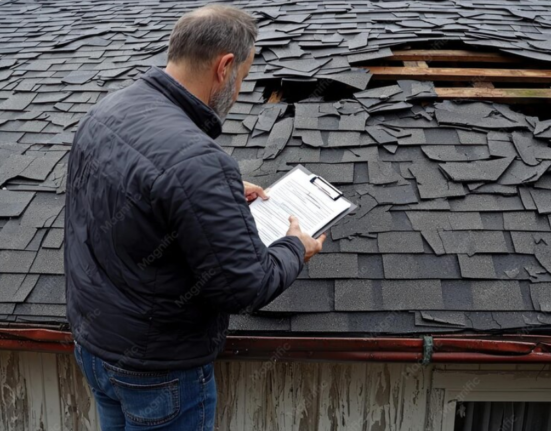
You might see shingles curling up or missing, or notice a lot of granules in your gutters. Sometimes you can even see daylight through your roof boards from inside your attic, or you might have leaks often. Most roofs generally need to be replaced when they’re getting close to the end of their expected life.
3. Does the weather impact how long a roof lasts?
Yes, it really does. Very hot weather, hail, heavy snow, salty air, and areas prone to wildfires can make a roof wear out much faster. Metal and tile roofs tend to hold up best in tough weather conditions.
4. Can keeping up with roof maintenance actually make it last longer?
Definitely. Things like cleaning your gutters, fixing small problems quickly, and having yearly checks can easily add an extra 5 to 10 years, or even more, to how long your roof will last.
5. Is paying extra for a metal roof worth it?
If you plan on staying in your home for more than 20 years, then yes, it usually is. Metal roofs can last anywhere from 40 to 70 years, they stand up well to fire and wind, and they can even help reduce your cooling bills. Over time, the money you save often makes up for the higher initial cost.