
Ever found yourself wondering how some basements remain dry for years while others seem to battle water every time there is any rainfall?
Then chances are, the reason behind such disparities lies in the selection of the appropriate waterproofing technique for the job at hand.
Basement waterproofing involves more than just preventing leaks. It means ensuring your basement stays free from moisture and its foundation protected against water. It also involves getting rid of mold and odor that comes along. The two waterproofing techniques include the use of either the interior or exterior waterproofing approach.
This blog post aims to explain both types of systems using layman’s terms, their pros, and the differences between them.
What Is Basement Waterproofing?
Basement waterproofing refers to preventing water from entering your basement or managing it to ensure that there are no adverse effects on the building. Some of the benefits of having a dry basement include reducing seepage, wet walls, cracks in the floor, mold formation, and potential foundation problems.
Water infiltration into the basement occurs through several avenues, including cracks, improper drainage, elevated levels of ground water, and pressure from waterlogged soil surrounding the house. This means that there cannot be a single solution for every homeowner. The approach chosen will depend on the source and severity of the problem.
Interior Waterproofing Explained
Interior waterproofing involves working on the basement walls from the inside out. This form of basement waterproofing involves drainage channels, sump pumps, sealants, and vapor barriers which collect water once it finds its way into the basement area. Interior waterproofing can be installed easily since it requires minimal effort in comparison with exterior waterproofing.
A major benefit of interior waterproofing is the fact that it tends to be cheaper in terms of both time and costs as opposed to exterior waterproofing. The homeowner saves more time due to the lack of extensive digging required for interior waterproofing.
Exterior Waterproofing Explained
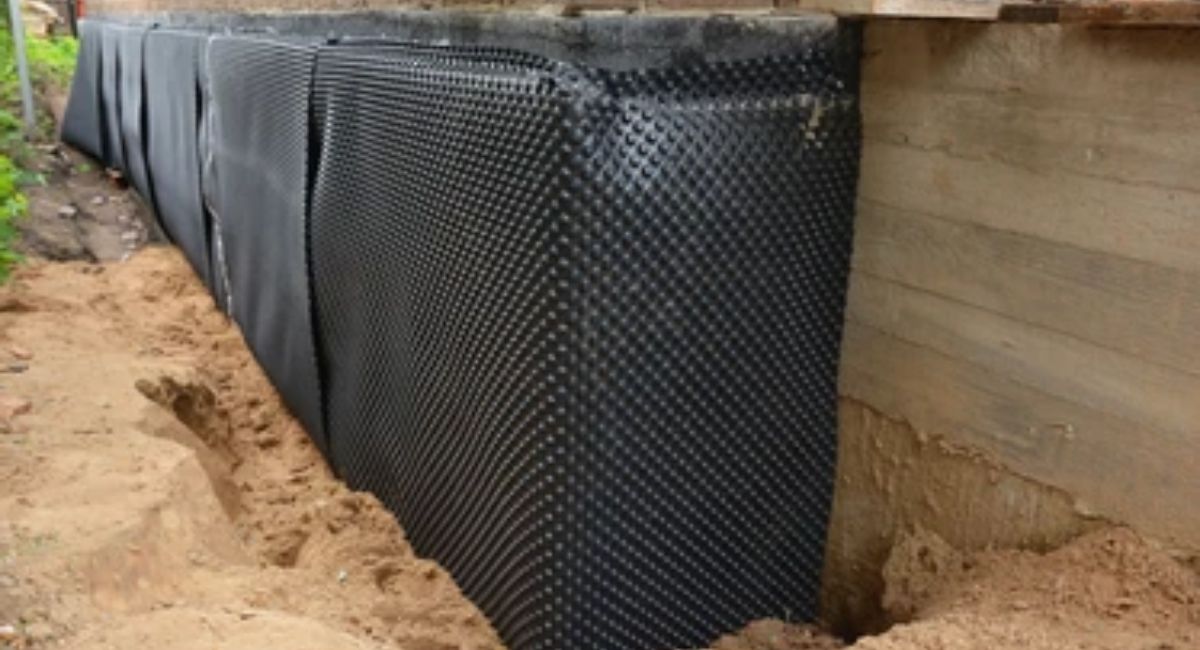
As its name implies, exterior waterproofing is done on the outside of the foundation. This process includes digging, sealing, proper drainage, and in some cases, installation of drain pipes or stone foundations around the outside of the foundation. Exterior waterproofing is intended to prevent any water from reaching the wall.
The exterior waterproofing technique tends to be more thorough since it addresses the root cause of the water problem. However, this approach may be costly, time-consuming, and labor-intensive.
Side By Side View
| Factor | Interior Waterproofing | Exterior Waterproofing |
| Main goal | Manage water inside the basement | Keep water out before it enters |
| Cost | Usually lower | Usually higher |
| Installation | Less disruptive | More disruptive |
| Best for | Existing homes, minor to moderate seepage | New builds, severe drainage issues |
| Maintenance | Easier to access and repair | Harder because work is outside |
Systems which protect from the inside tend to be more convenient and less costly than those which protect from the outside. However, exterior systems are preferable if more lasting results need to be achieved. Many houses may require both types of system.
Which One Works Better?
In order to achieve the best result, it is important to select the best option based on the actual circumstances. Interior waterproofing will do the trick if the basement area is subject to some dampness or minor leakage. On the contrary, exterior waterproofing seems to be necessary if the soil moisture level is high or the foundation suffers from poor drainage.
Exterior waterproofing can be selected by those homeowners who have had their house built with a finished basement. At the same time, in cases when major renovation work needs to be performed, homeowners should go for exterior waterproofing.
Common Signs
If your home exhibits signs such as water marks, a musty odor, flaking paint, a whitish dust coating on the walls, stains caused by mold growth, or puddles after it rains, then you might be facing a problem of water intrusion into your building. Even small cracks do not seem significant at first, but they can turn into bigger water channels.
If the basement is humid and the walls are damp, it shows that water might be seeping through your foundation. This is harmful to the quality of the indoor air, as well as to the items you keep there.
Final Thought
Both interior and exterior waterproofing can be used, but they deal with this problem differently. While interior waterproofing is usually less complex and affordable, exterior waterproofing ensures greater coverage by protecting against the penetration of water at its base.
The right choice for each specific case depends on many aspects, and the optimal solution should be based on an objective analysis of the situation rather than just assumptions.
FAQs
1. Will interior waterproofing suffice for the basement?
It will be sufficient in case of minor leakage, moisture in walls, and other insignificant problems. However, severe cases will require the combination of interior and exterior solutions.
2. Which type of waterproofing is more durable?
Exterior waterproofing will be more enduring since it prevents water infiltration to the foundation of your house. The process provides comprehensive protection for the property.
3. Which waterproofing is more cost-effective?
Interior waterproofing is generally cheaper, requiring fewer efforts and avoiding excavation works. On the contrary, exterior waterproofing is expensive since it is a complicated process.
4. Can I waterproof a finished basement?
Interior waterproofing is performed in most cases because it causes fewer troubles for homeowners. However, exterior waterproofing can be done if necessary.
5. Do I have to use both waterproofing methods?
Sometimes it might be appropriate to use both of them. Water pressure and past experiences with leaks could be the reasons to use both.