



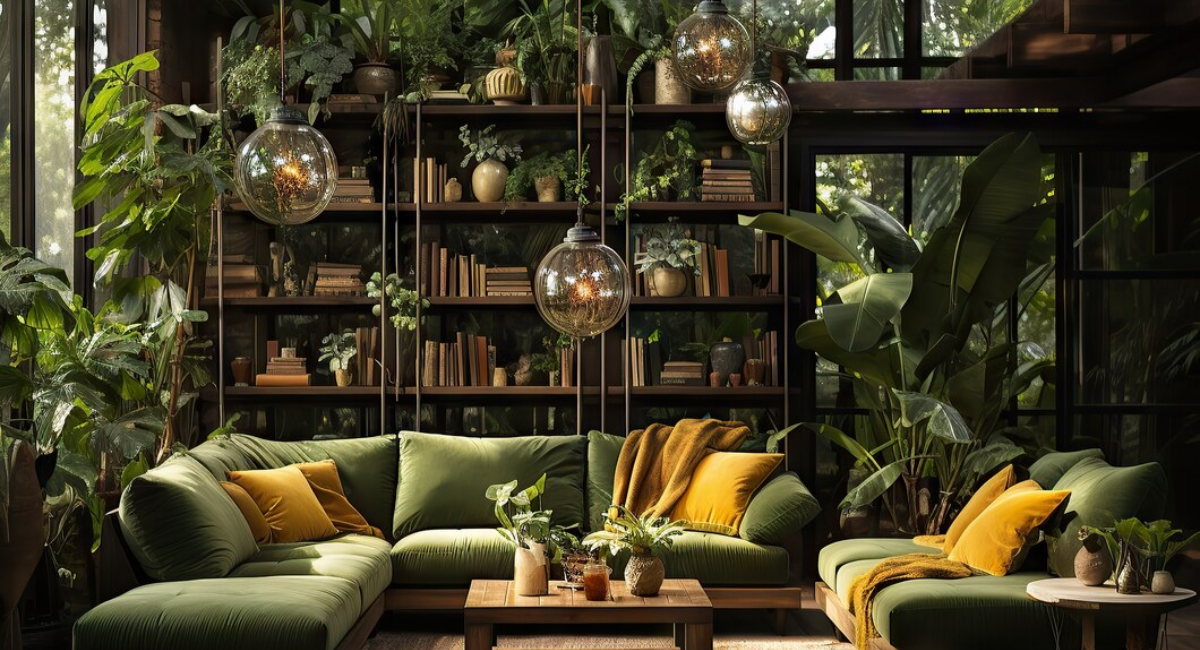
Have you ever entered a room and immediately felt a calming effect, as if you were sharing your breath with the surroundings?
When you enter modern homes, you will notice more than just pieces of furniture and paint. Modern people want to connect with nature in their homes as much as possible. Biophilic interior design can help achieve this aim by using natural elements, patterns, and lighting in your surroundings. Not only will you enjoy the beauty of nature inside your house, but you will also feel healthier because of it.
This blog will discuss the concept of biophilic design, its benefits when it comes to improving one’s mood, ways to implement it at home, ideas for various rooms, and ways to create a nature-based interior design.
What is Biophilic Design?
Biophilia design refers to the practice of bringing nature back into the built environment. It is not restricted to the presence of plants inside houses since they do play a significant role in achieving biophilia design. Natural light, natural views, natural materials, such as wood and stone, natural colors and patterns, natural shapes and forms, water elements, and organic structures are other aspects of biophilia design.
Why Nature Improves Mood
Since humans have evolved within nature, contact with natural elements helps soothe our nerves and relax us. According to scientific studies, natural light can increase the levels of serotonin, which helps control sleep, whereas plants and natural substances reduce high blood pressure and anxiety. Even indirect references to nature, such as leaf patterns or curved lines, create a sense of pleasantness in a room. In other words, bringing nature into our homes will make us happier.
Key Biophilic Elements to Use
Natural light: Ensure maximum window space, use sheer curtains, and position mirrors to reflect natural light.
Indoor plants: Go for low maintenance indoor plants such as snake plant, pothos, or peace lily.
Natural materials: Incorporate wood, stone, cork, or bamboo into floors, furniture, and decorations.
View and visual connection: Ensure there is a clear view from the windows and ensure that seating is oriented to provide outdoor views.
Water and sound: Include small water features or play sounds of forest and water.
Patterns and texture: Include leaf patterns, woven textiles, and different textures.
Natural colors: Use green, earthy, blue, or neutral color shades for tranquility.
Easy Ways to Start at Home
Start with the smaller things that you can use to your advantage. Move your most cherished chair near a sunny window, plant a couple of plants inside beautiful pots, or substitute artificial materials for natural ones like cotton and linen. Use table lamps and floor lamps to replace the hard lighting from overhead bulbs, imitating the effects of natural light.
Room-by-Room Design Ideas
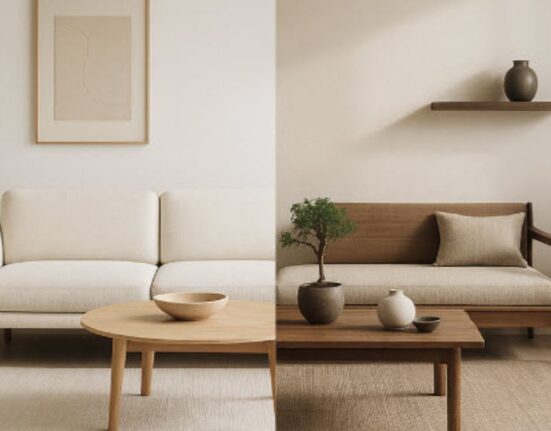
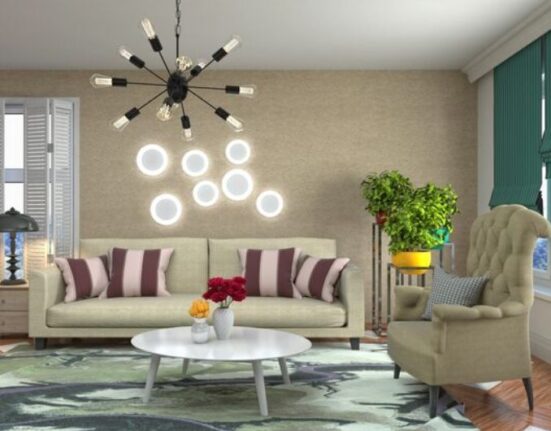
Living Room: Set up seating in such a way that it faces windows or a focal point plant wall. Use a wooden coffee table and rugs for added warmth. Put in plants at different heights for a sense of depth.
Bedroom: Opt for sleep-friendly lighting in the form of blackout curtains during nighttime and soft bedside lamps during evenings. Calming colors should be used along with natural linens and a bedroom plant, like a snake plant, which has air-purifying qualities.
Kitchen: Include potted herbs on the windowsill, wooden cutting boards, and stone countertops. The use of natural textures makes cooking a more sensual experience.
Bathroom: Use pebbles, teak bath mats, and a small shelf with potted ferns or orchids. A rain showerhead will recreate the soothing sound of raindrops.
Workspace: Have desks facing the windows where possible. Incorporate a plant and wood-based desk accessories. Daylight bulbs are ideal for this space.
Design Tricks That Carry Big Benefits
Create layers of lighting that correspond to the changes in sunlight throughout the day, from intense morning light to softer evening light. Change the placement of your plants and decorate according to the seasons. Consider using biophilic art, such as landscape photographs or abstract artwork with organic forms.
Common Mistakes to Avoid
Don’t use too many artificial greens because they will look very dull and inorganic. Don’t go too crazy with an organic theme because nature is all about balance, not mess. Also, don’t use just one component such as plants without taking into account other factors like lighting and air quality.
Budget-Friendly Options
Use plants sourced from nearby markets, recycle wood crates into shelves, and visit second-hand shops to find furniture made using natural finishes. You may paint a wall in a soothing shade of green or use earth tones for an accent wall or wallpaper.
Final Thought
Nature-inspired interior design is a subtle but effective method for making your home work for you emotionally and psychologically. No matter how many aspects you choose to implement, incorporating elements of nature into your interiors will help you feel more relaxed, productive, and in tune with the natural world.
FAQs
1. What is the easiest biophilic intervention I can make?
Introduce natural lighting and some easy-care plants, and you’ll get the instant mood boost.
2. Are artificial plants part of biophilic design?
They can be helpful visually, but they will not provide the air-purifying and emotional benefits that real plants do. Only use good-quality fakes if maintenance and lighting are an issue.
3. How many indoor plants do I need?
It depends on your space and preferences, but try to add a few plants to each room. Different sizes will add depth and variation.
4. Is biophilic design possible for a small apartment?
Absolutely. Vertical plants, reflective surfaces, natural fabrics, and using as much window lighting as possible are key.
5. Can biophilic design improve my sleep?
Absolutely. Natural materials, soft colors, and daylight exposure can help regulate your circadian rhythm.