
Do not want to pay for a roof repair job which was totally avoidable?
Flat roofs can seem basic but can harbor some problems that develop quickly. Water build-up, minute cracks, clogged drainage, all these problems might not be much initially but can become expensive in the end if not properly addressed. Roof maintenance is key for keeping the roof in good shape while saving some money.
This blog post will give out some tips on how to maintain flat roofs.
Why flat roofs need regular attention
Water flows differently on a flat roof compared to that which flows on a pitched roof. Water cannot flow fast on a flat roof and therefore drainage becomes very important. Bitumen, EPDM, and TPO roofs all have their own weaknesses, which appear as blisters, tears, or open seams. It is important to inspect regularly for such defects.
Quick monthly checks you can do yourself
Do the visual inspection every month for a period of 15 to 30 minutes. Do not walk the roof unless safe, otherwise do it using binoculars from below.
- Search for puddles, loose debris, and depressions.
- Ensure that roof drains and scuppers are free from any obstruction.
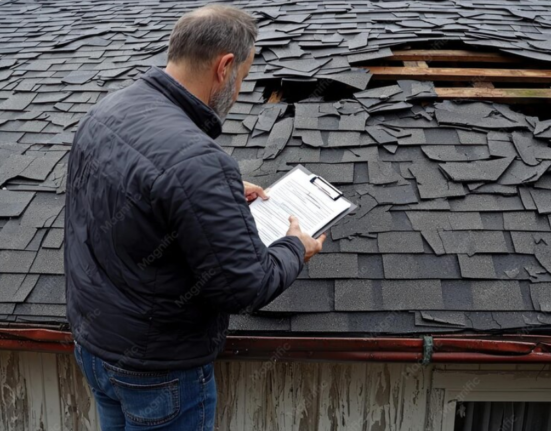
- Search for damages like punctures, tears, loose edges, blisters, and cracks.
- Check the vent and parapet flashing for loose connections.
It is better to take small steps now rather than big actions later.
Seasonal maintenance checklist
Perform more detailed inspections with each season due to varying climatic conditions.
- After rainstorms: Observe for any new ponding, clogged gutters, or leaks.
- Before winter arrives: Clean gutters, clear drains, remove loose tiles, equipment and seal cracks.
- During winter: Search for damage due to freezing and thawing.
- When summer is here: Inspect for any cracking due to sun damage or seam separation due to heat.
Seasonal inspection saves the roof from unnecessary wear due to climatic conditions.
Keep drainage working perfectly
Proper drainage plays the number one role in ensuring a roof’s life expectancy.
- Make sure that all internal/external drainage, scuppers, and gutters are clean of leaves, debris, and sediment.
- Slight slope in some parts of the roof will discourage pooling.
- Install or fix any overflow drains, which guarantee proper water flow from the roof.
Water pooling on the roof after rain for over 48 to 72 hours should warrant you calling a professional immediately.
Small repairs you can do yourself
Deal with the small issues before they escalate into major problems.
- For the small holes, clean the area first, then dry it out using a compatible patching material, either liquid rubber or bitumen patches.
- Re-seal the loose flashings by using suitable roof sealing compound.
- Replace the small sections of ripped membranes if you are sure of your ability.
Remember to follow all safety guidelines at all times.
When to hire a professional
Any task which involves anything beyond basic maintenance or small repairs should be handled by professionals.
- Signs of constant leaks or any indication of structural sinking.
- Overall deterioration of the membrane or blistering and seam separations.
- Flashing repair, parapet installation or where accessing the roof itself is unsafe.
- Regular inspections if your roof covers sensitive areas such as electronics or storage rooms.
The contractor will be able to provide you with reasons and cost effective solutions.
Preventive upgrades worth the investment
Try these suggestions for reducing maintenance costs and prolonging the roof’s life:
- Ensure proper insulation and ventilation to avoid temperature issues.
- Put in tapered insulation systems for better water drainage and no pooling.
- Make use of reflective roofs that would decrease heat stress and UV light.
- Replace the older membranes now, before it’s too late.
Little changes made today may help you avoid huge expenses later on.
Document and plan maintenance
Keep an easy-to-maintain log that notes the date, observations, photos, and repairs performed.
- Make sure to note the repairs made, materials used, and any contractors involved.
- Have your roofing regularly inspected by a pro every year or two, according to the roof’s age and condition.
- Plan ahead for maintenance so as not to incur repairs as emergencies.
It will make monitoring much easier and help in making warranty claims if necessary.
Final thought
A flat roof does not need to be a money sink. By maintaining it properly and doing timely minor fixes, and by upgrading where necessary, your roof will stay in great shape and the risk of an expensive repair will become minimal.
FAQs
1. How frequently should I conduct inspections of my flat roof?
You should conduct a brief inspection every month and a detailed one every season; hiring a specialist for professional inspection once every 1 to 3 years.
2. What are some reasons for water accumulation in a flat roof and why is it problematic?
Ponding happens because of improper slopes, drain obstructions, or building deflection. This causes added weight, membrane degradation, and leakage.
3. Can I carry out repair work myself?
Yes, minor repairs such as repairing small punctures or flashing resealing can be done if the correct tools are available, but major damages require an expert.
4. How long do common flat roof materials last?
This depends on material type: EPDM roofing lasts 20-30 years, while TPO lasts 15-25 years, and bituminous roofs last 15-30 years depending on maintenance and weather.
5. When should I replace and not repair?
Replacement is necessary when the damage is widespread, the roof nears its lifetime expectancy, or repairs will be regular and expensive. Consult your roofer for advice.