
Ever opened your fridge and thought about its lifespan and how long until it fails unexpectedly?
It’s quite a thought, although taking small but consistent measures will spare you the trouble and expense in the long run. This blog post will provide practical guidance on cleaning and maintaining your household appliances to ensure their optimum operation and longevity.
This blog post will include tips on cleaning frequency, proper maintenance of major appliances, energy efficiency tips, a quick guide to appliance maintenance, and five frequently asked questions.
Clean and Check Basics
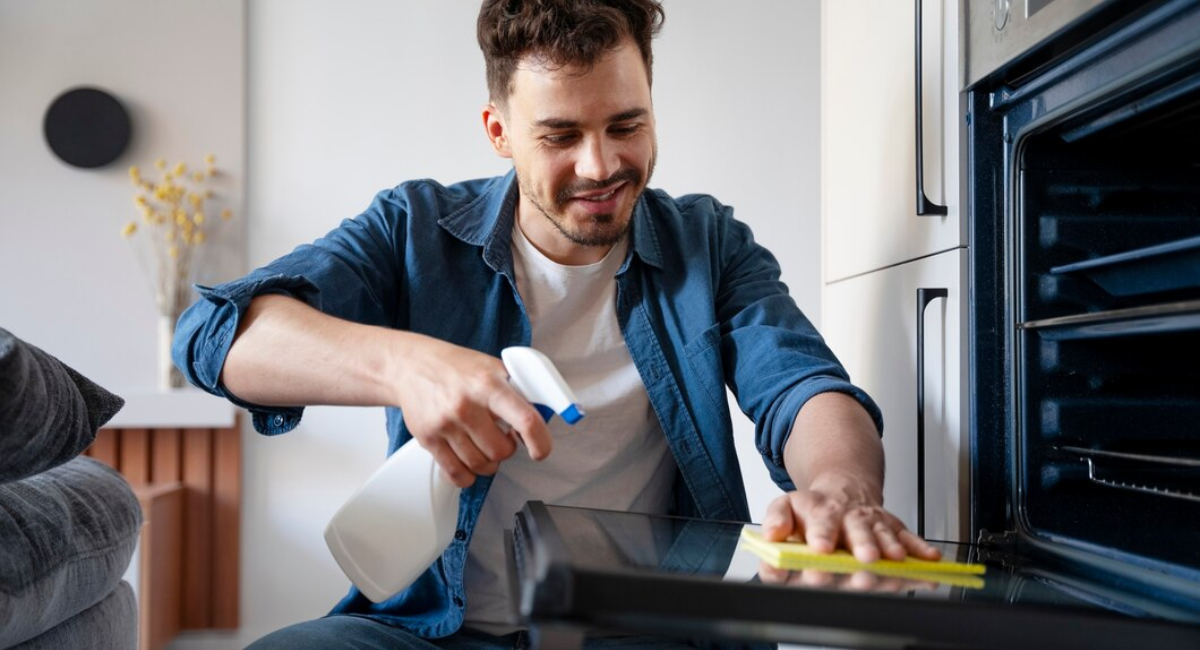
- Clean exteriors once a week using a soft rag and detergent to eliminate dirt and grease; do not use harsh cleaning agents that may cause damage to surfaces.
- Always unplug any appliances before performing maintenance tasks to keep yourself protected from electrical hazards.
- Ensure that there are no items blocking vents to ensure efficient air circulation in the appliance and prevent overheating.
- Examine wires, hoses, and seals every month for signs of damage, and replace any defective components immediately.
- Maintain a basic record keeping system of maintenance activities by noting dates and the actions performed on appliances.
Refrigerator Care
- Regular coil cleaning is recommended every 6-12 months: unplug your refrigerator and vacuum your coils using a brush attachment to get rid of dust which makes the compressor work harder.
- Drain and defrost when there is water build-up. Clean shelves and compartments inside the appliance with soapy water and baking soda to eliminate any smell.
- Test the door gasket to check for holes by inserting a piece of paper into the closed door. If the paper slips out, the seal will require cleaning or replacing.
- Leave a small gap between the unit and the wall. Don’t overload it to allow free circulation of the cold air.
Washing Machine & Dryer Care
- Washing machine: operate an empty hot water cycle monthly with vinegar or washing machine cleaner to remove accumulated detergent and mold; clean door seals and detergent dispensers after every couple uses.
- Inspect hoses twice annually and replace flexible rubber hoses every 3–5 years to avoid leakage.
- Dryer: clean lint filter after each use and inspect vent hose once per year; a clogged vent decreases efficiency and poses a fire hazard.
- If your dryer runs on gas, arrange for a professional inspection of fuel lines and venting in case of decreased efficiency or unusual odors.
Dishwasher Maintenance
- Filter (if your machine has it) should be removed and cleaned monthly to ensure there are no blockages or odor.
- Wipe down door gaskets and seals after each wash to prevent the growth of mildew.
- Do a warm or hot empty wash cycle using a dishwasher cleaning product or half a cup of white vinegar on the upper rack monthly.
- Ensure that there are no obstructions in the spray arms and racks are properly loaded.
Oven, Stove, and Microwave Care
- Oven: remove racks and soak them; use oven’s self-cleaning function only occasionally and clean spills immediately to prevent stubborn grime.
- Stove: lift off burners and clean underneath for gas stoves; remove drip pans for electric/coil stoves and clean them.
- Microwave: steam-clean your microwave by boiling water mixed with lemon juice or vinegar in a bowl for a few minutes and cleaning the loosened food bits.
- Be gentle when cleaning knobs and control panels, and keep water away from electronics.
Small Appliances (Kettle, Toaster, Coffee Maker)
- Remove the build-up of calcium deposits in the kettle monthly with either vinegar or citric acid.
- Shake out the crumbs that get stuck in the toaster or toasting oven after unplugging the appliances.
- Clean coffee makers monthly or quarterly, depending on how hard the water is, for good results.
Air Conditioners and Heaters
- Change filters on a regular basis: once a month in peak usage season, and otherwise every 2 to 3 months.
- Clean your vents and make sure that the external units for your AC system remain clear of any fallen foliage or other materials.
- Have your system serviced annually by a professional: gas heaters, central heating systems, and split air conditioning units.
Smart Use Habits That Extend Life
- Do not overburden any appliances by strictly adhering to their capacity requirements.
- Proper operation and proper type of loading will lead to less wear and tear on the appliances.
- Never operate your appliances one right after another, especially when the weather is extremely hot, so that there is some cooling time between operations.
- Protect your appliances and sensitive electronics by using surge protection systems.
Quick Troubleshooting Steps
- If there is any sign of hotness or burning smell from an appliance, switch it off and check the problem.
- Check whether the appliances are properly leveled, there are no loose parts, and loads balanced.
- In case of any leakage, know the shut-off valves for water or gas and then try to fix it yourself after switching it off.
- Have some spare parts handy for replacement.
Seasonal Maintenance Checklist (one-page routine)
Monthly: Clean outside surfaces, clean dryer’s lint screen, examine seals and cords.
Every three months: Dust refrigerator’s coils if needed, descale coffee maker, clean dishwasher’s filter.
Every six months: Vacuum around appliances, examine all hoses, clean oven thoroughly.
Annually: Hire professionals to service your HVAC system and gas-powered appliances, change washer’s hoses, and examine all electrical connections.
Cost-Saving and Energy Tips
- Keep filters and coils clean, they will operate efficiently and save on electricity.
- Ensure correct temperature settings, refrigerators at recommended settings and water heaters at appropriate temperatures.
- Check for seals that need replacement, keeping the conditioned air inside and saving on strain.
- Look out for energy-efficient appliances when changing old ones, new appliances tend to use less electricity.
Final Thought
These minor actions can go a long way: small acts of cleanliness, regular maintenance, and proper usage will ensure the longevity of your devices and save you from any trouble. All you have to do is take regular care of your appliances and extend their lifespans; this will result in fewer replacements and lower repair costs in the long run.
FAQs
1. How often should I be cleaning my appliances deeply?
Major appliances should be deeply cleaned once every 6-12 months, while light cleaning tasks should be performed monthly.
2. Is it safe to use homemade cleaners such as vinegar and baking soda?
It is generally safe, except for acidic solutions that should be avoided on stone surfaces or certain metal finishes, make sure to consult your owner’s guide.
3. When should I turn to professionals instead of doing things myself?
For gas leaks, electrical issues, unusual burning odor, and any cases when you need to access sealed areas or deal with refrigerant, always contact specialists.
4. Does routine maintenance prolong the life of appliances?
Absolutely, it can help to reduce pressure on parts by cleaning filters and seals.
5. Which maintenance activity would be the simplest to perform now?
Cleaning the dryer lint filter after every drying cycle and wiping your appliances once a week.