




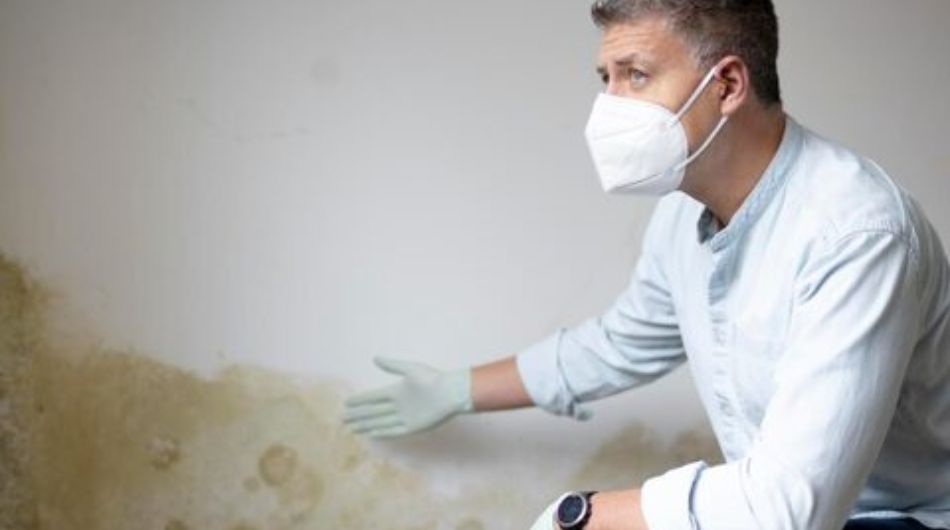
Can that spot of dark color really haunt you again and again on your wall?
Mold does not only mean a dirty stain on your wall; it also means an excess presence of moisture in a place where there should be none. The bright side is that there are ways by which you can easily get rid of that mold.
Here are five tips in this blog post to help you do just that!
Why Mold Keeps Coming Back
Molds do not develop by chance. Molds normally develop where walls remain moist due to leakage, lack of ventilation, moisture entrapment within the wall, or excessive humidity. Though cleaning the area may be a temporary solution, the problem may resurface when there is no intervention in resolving the underlying cause. This explains why permanent elimination requires addressing both factors.
Idea 1: Find the Moisture Source First
The first thing that should be done is to trace what is causing the growth of mold. It can be because of leaking from the roof, leaking pipes, water seeping through, wet corners, and poor air circulation. Without doing so, the mold might grow again despite the thorough cleaning.
Idea 2: Clean Small Areas Safely
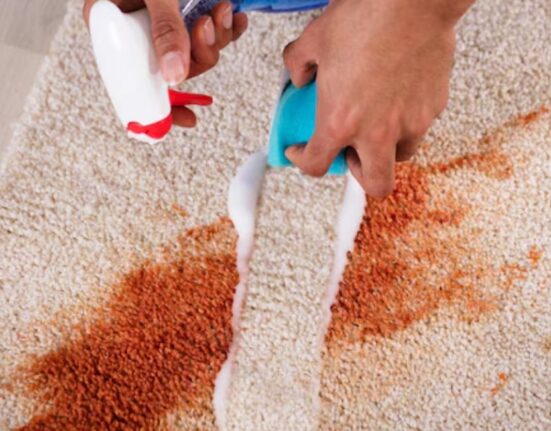
If there is a small mold patch on walls that are hard surfaces, you can use white vinegar, baking soda, or hydrogen peroxide as a cleaning solution. After spraying or applying the solution, leave it for some time before scrubbing using a soft sponge or brush. Put on gloves during this process and ensure windows are open to allow quick drying of the surface.
Idea 3: Replace Damaged Wall Material
However, if the mold has penetrated deeply into the drywall or plaster, cleaning may not be sufficient. The affected area must then be removed and replaced. It is crucial to understand that mold can be harbored in the soft inner layer of walls and will regrow later even if it looks like the surface is clean.
Idea 4: Improve Airflow and Dryness
Molds flourish in enclosed and moist environments. Always keep the windows open where feasible, operate exhaust fans in the kitchen and bathroom areas, and install a dehumidifier in moist spaces. Furniture should be placed slightly apart from the walls to promote air circulation. This ensures that molds will find it difficult to grow once again.
Idea 5: Use Mold-Resistant Protection
When the wall is completely cleaned and dried out, make sure to seal it properly so that the problem will not recur in the future. Apply mold-resistant paint or primer on any areas that have been restored, particularly those in the bathroom or kitchen. Another thing you can do is to periodically check the wall for any signs of staining, peeling paint, or an unpleasant odor.
Fast Safety Tips
Never clean up an extensive mold colony without taking precautions. Put on rubber gloves, wear a mask to prevent inhaling dust and spores, and never mix chemical agents together. When dealing with a colony of mold that is widespread or recurring, the mold removal process may go beyond just do-it-yourself methods.
Final Thought
The problem of getting rid of mold on the walls is more than just cleaning the area where it can be seen. This process includes locating and eliminating the source of moisture, repairing the damage done by the mold, and drying out the room, as well as protecting the walls to prevent its recurrence.
FAQs
1. Is it possible to remove mold forever from walls?
Yes, provided that you take care of the mold removal and address the moisture issue causing mold growth.
2. What kills mold on walls effectively?
Vinegar, baking soda, hydrogen peroxide, and bleach-containing products are typical solutions to eliminate surface mold.
3. Is it okay to paint mold?
No, since painting is just a temporary measure that cannot solve the root cause of mold growth.
4. In what cases should I involve professionals?
Consult specialists when mold persists, affects a larger surface area, or grows into porous materials like drywall.
5. What can I do to prevent mold recurrence?
Maintain low levels of humidity, repair any leaks immediately, enhance ventilation, and check damp spots regularly.