
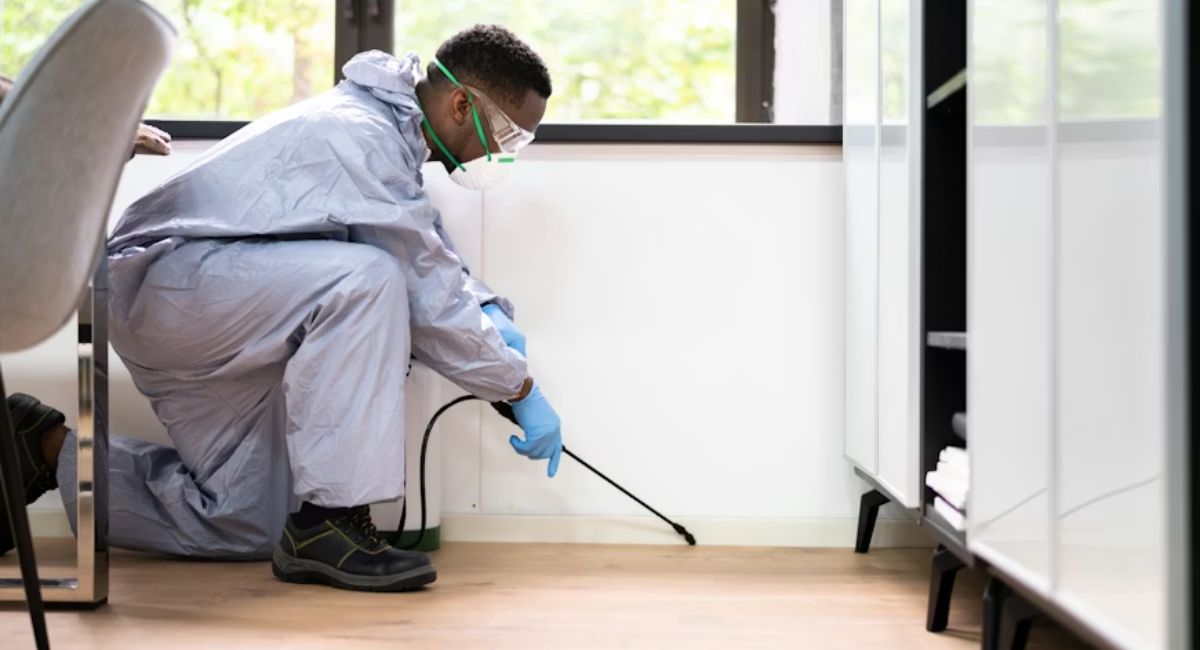
Is it making you anxious that insects might already be sneaking their way inside your house?
Pest control should always start before the insects get a chance to enter your house, rather than waiting for them to come inside first. Tiny holes, leaks, and messes can covertly transform your spotless house into an attractive place for pests, and patching them up is an easy way to prevent pest infestations.
This blog will provide some tips on how you can seal your house from pests and avoid any infestations.
Why Prevention Matters
The size required by a pest to gain entry into a home may only consist of a small opening at the window or door, around the pipes or vents, and even at the foundation level of the building. This means that once they make entry into the house, they can quickly settle down and propagate their species in no time.
This is the reason preventive measures prove more effective than reactive ones. It simply involves ensuring the house is tight, dry, and clean. Most guides on pest management will agree on this too.
Check The Outside First
Begin with a thorough examination around your house. Inspect all doors, windows, roof edges, vents, siding, and the foundation. Pay particular attention to areas where plumbing, wiring, or other conduits enter your house, as these are likely entry points for bugs.
Check for deteriorated caulking, loose screens, damaged weatherstripping, and torn or deteriorated trim. A bug doesn’t need much space to get into your home, so look carefully. Checking your exterior perimeter once each season could spare you an invasion.
Seal Gaps And Cracks
After identifying the trouble spots, seal them using the appropriate sealant. Smaller cracks can be sealed using silicone-based caulk, whereas for bigger gaps, you will require steel wool, metal meshes, or foam fillers, depending on the gap size and potential pest risks.
Here are the spots to start from:
- Window and door jambs.
- Between siding and trim boards.
- Pipe and vent penetrations.
- Foundations.
- Attic entries and utility penetrations.
A good seal will not only ensure that pests cannot enter but will help in making the house comfortable as well.
Fix Screens And Weatherstripping
The windows screens, door screens, and ventilation covers should all be in good shape. If any of these are damaged or misaligned in any way, pests will have no problem finding their way into the house. Repairing such screens is easy enough to do and will save you lots of hassle.
Another item to check would be the weatherstripping of the doors and windows. If any light seeps through a crack on your door frame, then chances are good that any number of pests could find their way inside.
Control Moisture And Clutter
Pests are attracted to water sources just like food. Pipes that are leaking, a wet basement, clogged gutters, and water that is close to the home are a few things that would attract pests. It is important to have the problems addressed immediately to make sure there are no pests.
Another factor that attracts pests is clutter. Cardboard boxes, stacks of newspapers and magazines, cluttered areas within the home, and items that are left lying around offer an ideal place for pests to live in. Clutter offers hiding spaces and a lot of other options for pests to survive.
Make Your Yard Less Friendly
The exterior part of your home is also essential for pest control. This means that trimming hedges, keeping the grass cut, and not allowing any branches to touch the exterior walls is important. Avoid storing firewood, mulch, and other yard debris near the building’s foundations because pests will hide there.
It is also essential to secure trash containers and store pet food carefully. Food waste, garbage, or even birdseed will attract pests right to your home. This way, by minimizing the sources of food or shelter for pests, they won’t bother you anymore.
Build A Simple Home Routine
Pest prevention becomes successful when it is part of routine activities. Create a simple daily routine to check for sealing, clean entries, mop up any spillages, and look out for any damage. It takes only some minutes a week to avoid a huge trouble in the future.
Here is the simple routine you need to create:
- Check for openings at doors, windows, and vents.
- Check under sinks for leakages.
- Keep the garbage empty.
- Sweep crumbs in kitchen and dining rooms.
- Check your yard and foundation monthly.
With this routine, your house will be safe without making pest prevention your full-time job.
Final Thought
An ideal pest management strategy comes even before the emergence of pests. The moment one eliminates all entry points, gets rid of water leaks, and keeps the house dry and clean, the basic needs of the pests will be deprived.
FAQs
1. Which areas of the house should I seal first?
Seal areas that include doors, windows, gaps where pipes enter, and foundations since these are among the most common ways that pests gain entry.
2. Silicone caulk is used for large holes?
No, silicon caulk works best for small cracks; steel wool and wire mesh work well for larger openings.
3. Will having a clean home protect me from pests?
No. Even if your house is always clean, you will still attract pests through gaps and entry points.
4. How often do I need to search for pests entry points?
Seasonally is usually sufficient, but additional checks can be performed following repairs, storms, or heavy rains.
5. Is maintaining my yard really useful in preventing pests?
Yes. Trimming your lawn and ensuring firewood is not left outside can greatly discourage pests.