
Ever looked at your dirty shower glass or white scum around the faucets and thought “How did this happen, and how do I make my bathroom clean again?
Well, this blog will make things easy for you. Stains caused by hard water, also referred to as limescale or mineral build-up, are formed when water containing minerals dries off a surface and leaves behind residues of calcium, magnesium, and even iron that can form tough scum.
In this blog, we are going to explore various options ranging from cleaning methods to ways to prevent stains.
Fresh-Start Fixes (fast, cheap, and effective)
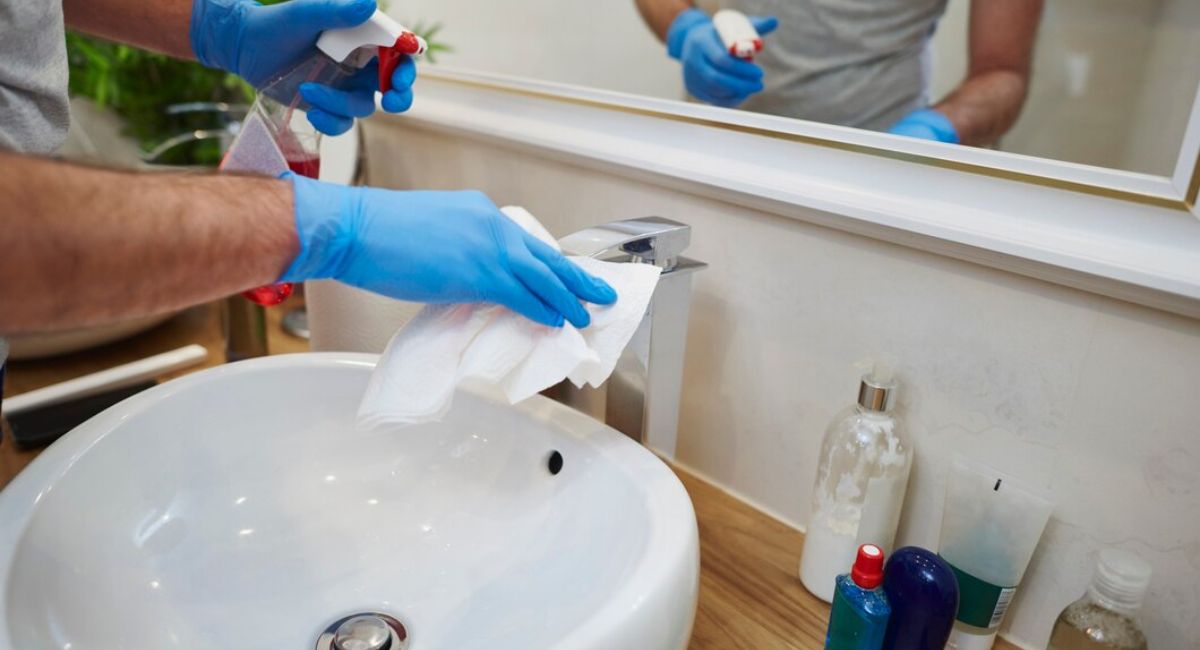
Vinegar solution: Combine equal amounts of white vinegar and warm water in a spray bottle, spray on windows or fittings, leave for 10-30 minutes, then clean using a microfiber cloth or sponge and rinse; rinse again for optimal performance.
Baking soda paste: Create a paste using baking soda and some water, apply to tough stains on chrome or ceramic surfaces, allow to stand for 15-30 minutes, then rub gently and rinse; it is an abrasive yet safe cleanser for most materials.
Dishwashing soap additive: When cleaning fatty soap scum in addition to minerals, blend some dishwashing soap with vinegar or water and wipe; it helps break the fatty layer so that mineral cleaners can be effective.
Deep-Clean Steps for Glass Shower Doors
First Step: Heat the glass with hot water (by taking a hot shower for about one minute) to make the cleaners penetrate easily into the glass surface.
Second Step: Apply acidic limescale remover or warmed vinegar generously to the glass surface and leave it for about 10-30 minutes depending on the cleaning agent used.
Third Step: Scrub gently using a non-scratch sponge or a microfiber cloth in circles on the glass surface; do not use steel wool to scratch the glass surface.
Fourth Step: Flush with hot water and dry with a squeegee or soft cloth.
Fixtures and Faucets (shine them up)
Soak and Wrap: Soak a piece of cloth or paper towels in vinegar and wrap it on the base of the faucet or showerhead and hold it there using a rubber band for 30-60 minutes (if heavy mineral deposits, increase soaking time).
For narrow spaces: Utilize a soft-bristled toothbrush or cotton swabs dipped in vinegar to clean hard-to-reach areas, and then use a microfiber cloth to polish.
Limescale removers: Select those products which contain instructions on how to remove minerals, calcium, and limes from different kinds of fixture finishes.
Tough Stains and Rusty Marks: When usual methods don’t work
Baking soda with vinegar: Spread the baking soda mixture, spray the vinegar solution, causing it to fizz; allow the fizzing process to last for 10-20 minutes before rinsing and cleaning the surface.
Phosphoric acid or citric acid products: They act fast on alkaline stains; follow their instructions when using them, wear gloves, and test in a corner first to ensure no damage to coatings.
Rust stains: Utilize an effective rust stain remover or make a paste using an ingredient capable of combating rust stains.
Safe Tools and What to Avoid
Use: Microfiber cloths, soft sponges, soft-bristled brushes, toothbrushes, rubber gloves, spray bottles, and squeegees.
Avoid: Steel wool, metal scrubbing pads, abrasive powder on chromed or coated surfaces, strong acids left on surfaces for extended periods of time.
Small Routine Habits That Prevent New Stains
- Dry the glass with a squeegee after every shower so that mineral deposits do not accumulate on the surface.
- Always ensure that you dry the faucets and sink after using them to prevent a build-up of a film.
- Consider getting either a shower filter or a whole house water softener if the test results indicate that your water is hard.
Product Quick-Reference Table
A very simple illustration is to clean a dirty shower door using hot water, spraying a vinegar-water solution in equal amounts, leaving for 20 minutes, wiping with a microfiber cloth, and finally squeegeeing. Most people achieve results on their first try.
Final Thought
Water stains may be frustrating, but they are also easy to tackle. As long as you use the proper blend of household products, the appropriate equipment, and a few minutes of your time, all of your fixtures will remain spotless and glass pristine. The following tips in my blog have been covered.
FAQs
When should I clean my hard water buildup?
Regularly deep-clean heavily used shower and faucets every month or two; wiping or cleaning after using them goes a long way too.
Will vinegar damage any surfaces?
Vinegar works well for glass, chrome, and porcelain surfaces, but it’s harmful for natural stone and some sealed surfaces; test a small surface before applying it or use recommended cleaners for stones.
Can I mix cleaners to get better results?
Mixing cleaners can create hazardous fumes; follow manufacturers’ instructions regarding compatibility and use products sequentially and rinse thoroughly before switching to another product.
My limescale is many years old; will these techniques remove it?
Old and tough stains might not come off easily and may take repeated efforts or the use of a commercial cleaning product for a strong stain.
Can I prevent stains by installing a water softener?
Water softeners minimize hard water buildup by removing calcium and magnesium ions from the water. However, other types of minerals like iron might be left behind.