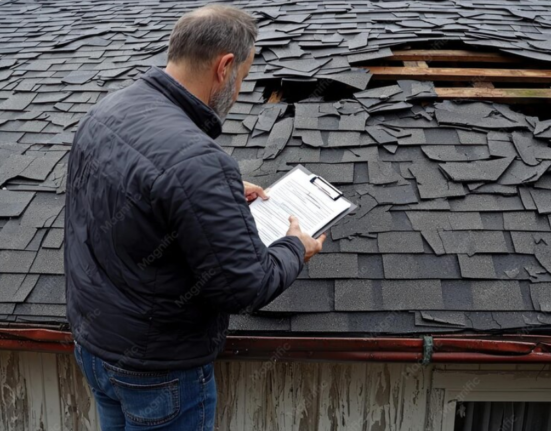

Do noise, traffic, and loud neighbors continue coming into your room, even when you have closed the door?
There is no need to be afraid since soundproofing your space doesn’t have to be an expensive task. What’s more, there is great news for people trying to soundproof their rooms in the most affordable manner possible. This is because the best methods are simple and do not involve high costs.
In this blog post, you will learn how to soundproof a room using affordable ways that really work, what measures you should invest in, and which ones are unnecessary.
What Soundproofing Really Means
However, soundproofing and sound absorption are two different concepts. The former refers to blocking noise either from going out or coming into a room, whereas the latter decreases reverberation within a room.
The distinction is significant since people think that using foam panels would help reduce noise from the outside environment. The truth is, sealing air leaks in windows, doors, and other areas is generally the most effective way to begin.
Start With The Gaps
Since air can get through, sound waves can penetrate as well. Hence, filling gaps is usually the most economical approach before buying anything costly.
These are some of the areas that need attention first:
- Edges of doors and the space underneath them.
- Frames of windows.
- Cracks in walls, electrical sockets, and cable openings.
- Spaces between vents and trim.
Weather-stripping, door sweeps, and acoustic caulk may be applied as necessary. These are minor steps that could greatly improve the acoustics of the room immediately.
Make The Door Heavier
The acoustics of a hollow door will travel through far easier than those of a solid door. If you have a thin door, increasing its mass and tightening its perimeter can make a big difference without necessitating its replacement.
Some solutions that don’t require significant investments may include:
- Door sweep.
- Weatherstripping.
- Door seal kit.
- Moving blanket or heavy curtain for the door as a temporary solution.
In terms of getting maximum value from your dollars, it is recommended that you start with sealing before increasing the weight of the door if required.
Tackle The Windows
Windows are also a typical source of noises entering into rooms. Thinner glasses and poor window fittings allow traffic sounds, street noises, and voices to pass through.
Some inexpensive solutions may be:
- Soundproofing curtains.
- Window seals.
- Replaceable window inserts/panels.
- Multiple layers of thick cloth for temporary noise protection.
Curtains alone cannot soundproof windows, although they help in muffling noise and echoing. To improve their effectiveness, use curtains along with sealing the window.
Soften The Room
While soft surfaces cannot completely block external sounds, they aid in lowering echoes and creating a serene environment within the room. These are particularly helpful in bedrooms, home offices, and sound studios.
Consider using:
- Area rugs/carpets.
- Heavy draperies.
- Furniture covered with fabric.
- Fully loaded bookcases.
- Blankets/curtains covering walls.
These methods are easy to implement and inexpensive, but they are most effective when combined with sealing and mass treatments.
Low-Cost Materials That Help
Certain materials perform better than one might realize even though they are not described as “acoustic.” Budget manuals tend to advise sensible options such as moving blankets, weatherstripping, mass-loaded vinyl, and door seals since these increase blocking and sealing capabilities without requiring any remodeling.
Here’s an easy method to understand this:
Mistakes To Avoid
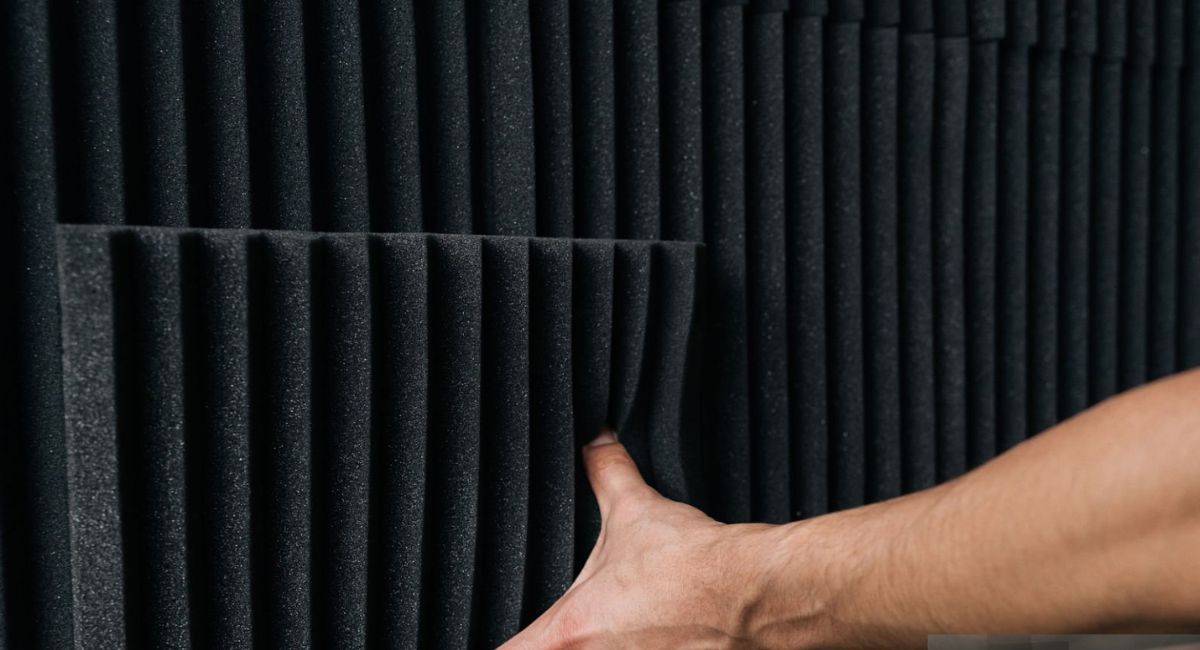
People often invest in foam panels first, only later wondering how the exterior sounds keep entering the room. While foam works well to reduce echoes, it does not do much when it comes to blocking sound by itself.
Things that should be avoided include:
- Purchase of decorative foam without sealing any leaks.
- Overlooking the door.
- Focusing on only one wall at the expense of the open window.
- Trying to achieve everything with just one method.
A more effective approach would be sealing, adding mass, and then softening the space.
Final Thought
Soundproofing without breaking the bank starts by concentrating on the weak points. Block the openings, upgrade the door and window, and finally add padding to handle reverberation.
You do not have to purchase everything immediately. Begin with small-scale solutions that yield the maximum results first, and then continue building on them.
FAQs
1. How do you soundproof a room cheaply?
Sealing your room from external sounds can be done by sealing the gaps in your window or door using weatherstripping, door sweep, or other sealing methods.
2. Does acoustic foam paneling absorb outside sounds?
No. Acoustic foam will help reduce the echo in your room but does not block any outside sound.
3. Are curtains worth the money?
Yes. Curtains help to reduce noise and echoes, though they will be more useful with proper sealing of openings.
4. Which should you install first? Wall or door?
First, seal your doors and windows since they are the main source of noise in the room.
5. Is it possible to soundproof without renovating the room?
Yes. There are many inexpensive ways to do so, including sealing your room, curtains, carpeting, etc.