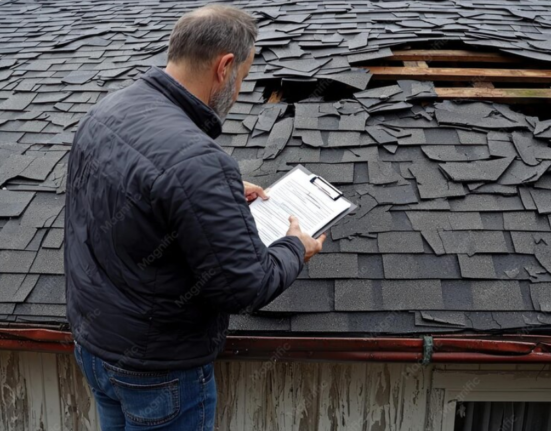


Has an unexpected storm left you with a leaking roof and a churning stomach?
Well, you are not alone because many people in the United States experience the same thing every year when hail, wind, or falling trees damage their roofs. Fortunately for you, your homeowner’s insurance will likely pay for any repairs or roof replacements. The bad news is that you need to know how to properly make a claim in order to receive your money.
Why Roof Damage Claims Feel Overwhelming
Roof claims are quite different from any other claims made for home insurance. The reasons for this include the amount of money involved, the need for proper documentation, and adjusters that inspect every single roof shingle. Homeowners end up losing large amounts of money simply due to their lack of understanding.
Being informed about the entire procedure helps put you ahead of the game.
What Your Home Insurance Typically Covers (and What It Doesn’t)
Typically, coverage for residential insurance policies in the United States will include damage that occurs suddenly and accidentally because of certain “covered perils,” such as:
- Wind damage
- Hail damage
- Water damage as a result of storms
- Falling object damage (e.g., tree branches)
- Fire/ lightning damage
However, insurance companies do not provide protection for:
- Age-related damage to the roof
- Construction defects and poor workmanship
- Neglect of maintenance
- Cosmetic damages (this depends on your plan)
Also, keep in mind that the age of your roof and its condition are important factors. Older roofs can only receive payment for their “actual cash value.”
The 6-Step Roof Damage Claim Process You Should Follow
1. Assess the Damage Safely
Always avoid getting onto a roof that’s in bad shape. Here’s what to look out for from the ground:
- Missing, cracked, or curled shingles
- Ceiling/wall stains
- Loose granules in gutters
- Other types of debris or tree branches
2. Document Everything Immediately
Photograph the damage from all different angles. Photographs should be close-ups of damaged shingles, gutters, flashing, and any interior water stains. Make sure to note when, at what time of day, and what caused the damage (e.g., “hail storm on May 20”).
3. Call a Licensed Roofing Professional First
Before you contact the insurance company, have an inspection done by a reputable, licensed roofing contractor at no cost. The inspection will give you a written estimate complete with pictures and dimensions that support your claim.
4. Report the Claim to Your Insurance Company
Contact your insurance company at once by phone, app, or web portal. Present the results of your roofer’s investigation to expedite the procedure. It might result in smaller claims or outright rejection if you hesitate.
5. Be Present During the Adjuster’s Visit
Have your roofer accompany the adjuster during their inspection. This will help them identify damages that would have otherwise remained unnoticed and provide answers to any technical questions that may arise.
This support will go a long way in ensuring you get the best settlement possible.
6. Review the Settlement Carefully
Your insurance coverage will cover:
- ACV – Actual Cash Value
- RCV – Replacement Cost Value
Make sure that the compensation includes all the repair costs, upcodes, and other related parts such as venting.
Common Mistakes That Hurt Your Claim
- Too late for inspection or reporting the damage
- Applying for the claim without proper photos or reports
- Making any attempt at repairs before documenting the damage
- Hiring unqualified contractors when making insurance claims
- Considering a very low bid in comparison with other quotes
If Your Claim Gets Denied (It’s Not Always Final)
Sometimes denials take place; however, sometimes you can make an appeal for:
- A reinspection
- Further documentation from your roofer
- An explanation of policy language
Numerous insurance claim denials have been approved with the appropriate supplementary information.
Final Thought: Be Prepared, Not Scared
Dealing with damaged roofs can be frustrating. However, filing a well-documented insurance claim gives you the power of the situation. Know your coverage and get started immediately. Insurance agents have experience with this process and will help guide you.
FAQs
1. When should I file an insurance claim about my damaged roof?
As soon as possible; ideally, as quickly as possible. Insurance companies require prompt claims to determine the cause and timeline of the damage to be eligible.
2. Does my insurance cover my entire roof or just repairs?
This largely depends on the nature of the damage done and whether your roof is new. In the event of extensive damages, you would likely be able to have your roof replaced completely. With smaller damages, repairs would be covered.
3. What is the difference between ACV and RCV payments?
ACV is payment according to actual cash value, which includes depreciation. The other, RCV, means replacement cost value, which means you would receive payment for the total cost without the depreciation factored in. Most insurance companies will pay you according to ACV, but if you have RCV, the company would pay you the rest after repairs.
4. Am I able to hire my own roofer?
Yes, you have the right to hire whomever you want, just make sure they have a license and bonding. Do not go with roofer that tries to convince you to sign away your insurance claim or makes unrealistically low offers.
5. My roof is old, will the insurance company pay for it?
Insurance can pay for damages done to an older roof, but the compensation is likely going to be less because of depreciation.