



Seeking an understated yet sophisticated house design that speaks about luxury without being loud about it?
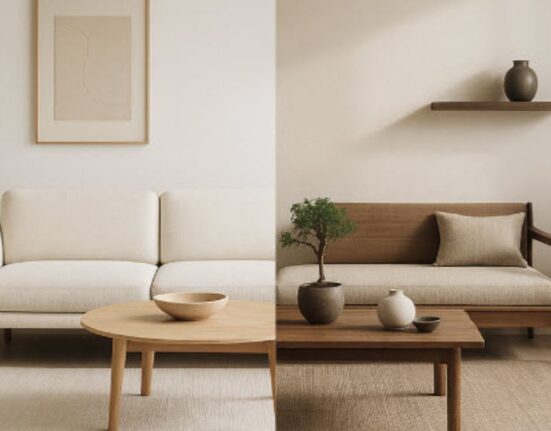
The concept of quiet luxury, also referred to as stealth wealth, is one of the popular trends in interior design in 2026. Quiet luxury emphasizes quality materials, proper proportionality, and a neutral color palette that creates a timeless look rather than a trendy one. The outcome is interior design that evokes elegance and luxury in a subtle way without using labels and excessive decorations.
This article aims to cover the basic principles of quiet luxury interior design, present ideas for each room, recommend suitable materials and colors, provide styling recommendations, and discuss affordable alternatives.
What is quiet luxury?
Quiet luxury focuses on understatement, craftsmanship, and elegance. This concept shuns ostentatious prints, garish logos, and unnecessary embellishments. Rather, it relies on:
- High-quality materials (stone, wood, wool, and linen)
- Well-proportioned lines and custom furnishings
- Soft, harmonized palettes
- Effective lighting that enhances texture and structure
- Spare but purposeful decorative elements
Each element serves an essential purpose in creating a unified and peaceful environment.
Key principles to guide your design
- “Less is more.” Select items that you really want and use.
- Texture over pattern: combine different materials for texture.
- Minimalism with warmth: use clean lines, but incorporate warmth through color and texture.
- Timeless rather than trendy: select items that will not go out of fashion easily.
- Form follows function: functionality takes precedence over decoration.
Color palettes that whisper
- Soft neutrals: Beige, oatmeal, greige
- Subtle earth tones: Terracotta, sage, soft clay
- Bold darks: Charcoal, ink blue, forest green (in moderation)
- Monochromatic layering: Various tones of one color palette for a refined scheme
Pro Tip: Apply the 60-30-10 rule – dominant, secondary, and a tiny amount of darker shades to maintain balance.
Materials and finishes that feel expensive
- Natural stone (marble, honed granite), honed/matte finishes
- Solid timber with simple joinery, oiled/matte finish
- Tuscan-style, hand-tufted wool carpets or low pile natural fiber rugs
- Linens and silk blend for upholstery, curtains
- Brushed metals in matte brass, smoked nickel, and blackened bronze
- Matte finish plaster or limewashed walls
Furniture: shape and scale
- Opt for timeless forms such as low-profile sofas, slim-line armchairs, and platform beds
- Consider scale when placing furniture within the space, ensuring plenty of negative space
- Choose a single statement piece (sofa, oak dining table) and keep the rest of the furniture minimal
- Custom cabinetry provides a personalized touch
Lighting that flatters
- Layers of Lighting: Ambient (Recessed or Pendant), Task (Table or Floor Lamps), and Accent (Picture Lights, Spotlights)
- Warm color temperature is recommended (2700K – 3000K) to achieve an intimate luxury feel
- Dimming switches are necessary for proper ambience control
- Unique but subtle designs are encouraged
Textiles and soft furnishings
- Make your patterns more subtle: Tone-on-tone fabrics, herringbone patterns, and fine stripes
- Combine textures to create depth: Wool, bouclé, velvet, and linen
- Have enough throws and pillows, but don’t overload the space
- Your curtains should hang from top to bottom and reach the floor
Accessories and art: meaningful, not many
- Select a few high-quality objects: pottery ware, hand-blown glass, classics
- High-quality large pieces of art with subtle color schemes come across as more costly than numerous smaller ones
- Organize objects in groups of odd numbers with similar colors
- Do not use commercial or quirky items in your collection
Room-by-room ideas
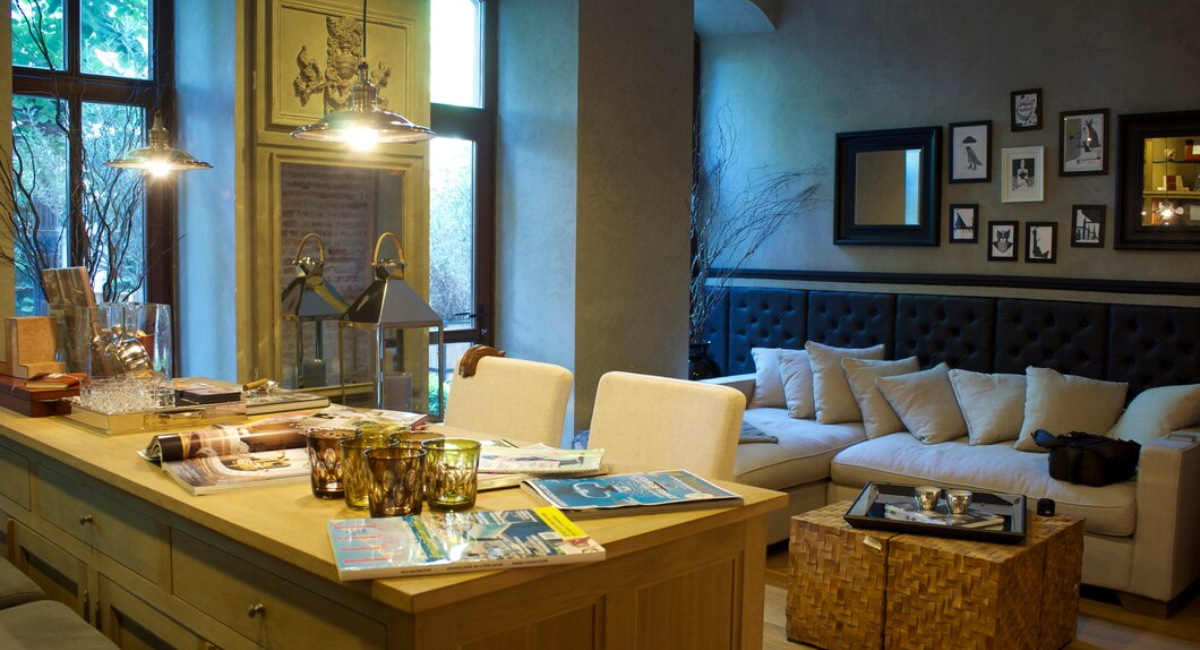
- Living Room: Deep, low couch made of wool; single armchair; large area rug; small coffee table with one curated book and tray.
- Kitchen: Cabinets with slab fronts, concealed hardware, stone countertop with simple backsplash, and premium appliances.
- Dining Room: Wooden dining table, dining chairs with neutral upholstery, simple chandelier, and clear dining surface.
- Bedroom: Bed platform with upholstered headboard, layered bedding in linen and cotton fabrics, night tables with matching lights, and fitted wardrobes.
- Bathroom: Free-standing bathtub or walk-in shower stall with large format tiles, brass or matte black fixtures, and recessed storage areas.
Budget-smart swaps
- Select the best surfaces to invest in, countertop and sofa.
- Go for faux linen curtains, as opposed to those made from genuine silk.
- Re-finish existing wood furniture, instead of replacing it.
- Purchase vintage furniture to enjoy its luxury at a reduced price.
Maintenance and longevity
- Select materials that will age gracefully (waxed wood, polished stones).
- Arrange for cleaning on a periodic basis for fabrics and handle natural materials carefully.
- Undertake repair and re-upholstery when possible, rather than replacement.
- Select systems that can be changed without doing a complete renovation.
Quick mood-board prompts
- Silent Coast: Beach sands, driftwood, cool blue-gray, linen, and rattan decor elements.
- Urban Escape: Black, warm greige, leather, smoked metals, and plastered textures.
- Earth Sanctuary: Clay colors, rich wood, greenery, terracotta, and woven carpets.
Final thought
A house characterized by quiet luxury will reflect elegance, class, and sophistication without being ostentatious or flamboyant. Quiet luxury is more about establishing one’s taste than impressing others; it focuses on creating a comfortable living space through small but meaningful decisions that add up to an expensively looking home.
FAQs
1. What is the difference between minimalism and quiet luxury?
Minimalism reduces elements to basics; quiet luxury preserves basics but uses quality materials, textures, and warm layers.
2. Does quiet luxury suit small houses?
Yes. Emphasize proper proportions, multi-purpose furniture, and solid materials to create small spaces with proper composition and luxurious feeling.
3. How can I personalize my interior with quiet luxury?
Add personal artworks, heirlooms, and some accent colors that speak your character, while keeping the color palette and textures elegant and minimalistic.
4. Can quiet luxury use bright colors?
Not commonly. If necessary, use bright colors as accents only, such as a seat, pillow, or artistic piece, rather than walls or other large surfaces.
5. How long can the style be fashionable?
Due to the preference for classic materials and proper proportions, quiet luxury can maintain its relevance for decades.