
Concerned about a little dripping from the ceiling or how visible those stains will be after a rainstorm?
Imagine what it would mean to catch those little things early and prevent a bigger issue down the road. A roof leak can begin as just a small stain, a musty smell, or an insecure shingle. But if ignored, it can turn into rotting wood, mold growth, and costly repairs. By recognizing those little things early on, we can safeguard our homes and ourselves from more difficult and costly problems in the future.
In this latest blog post, we are going to show you some easy ways to identify those potential leaks in your roof.
Signs to Watch For
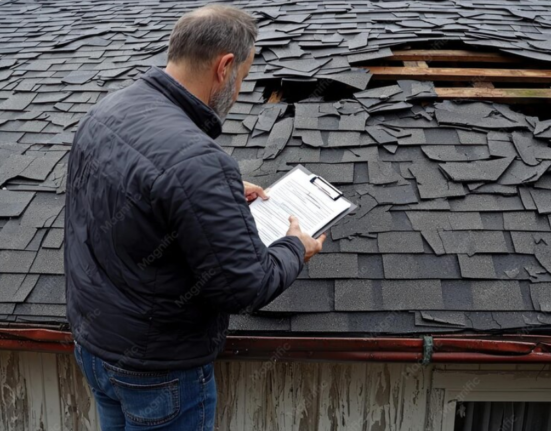
First, look within for signs of water intrusion such as stains on the ceiling, peeling or bubbling paint, spots of moisture, or a moldy smell. Examine the attic following a rainfall where wet insulation, dark stains on the rafters, or light showing through the roof deck can be seen. When outside, use binoculars from the ground level for any loose, missing, or curled shingles and damaged gutters.
Where Leaks Usually Start
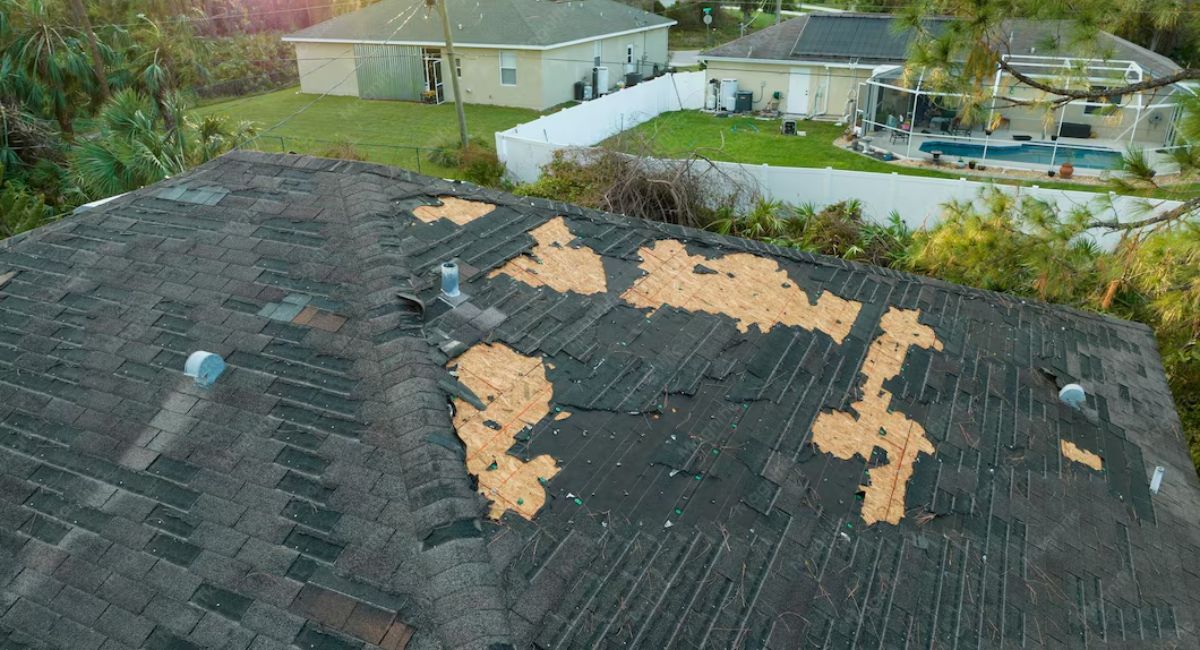
Leakage commonly starts from penetration areas such as flashing of chimneys and skylights, pipe boots, valley connections between two roof surfaces, and vent flashings. Other sources include wear on the shingles (such as cracking and curling), missing shingles, and clogged gutters causing water to move underneath the edges.
How to Inspect Safely
Prioritizing safety: stay away from climbing roofs that are very steep or slippery; employ the use of a pair of binoculars or a ladder with another person helping out, wear non-slip footwear, and put on your gloves. Shine light from a flashlight in your attic and look for water traces back up to the point where it comes from highest. In case you need to climb the roof, wear a harness and do not attempt alone; otherwise, hire a professional.
Simple Tests You Can Do
Once you’ve detected an area of concern, conduct a water test in a controlled environment by getting someone to monitor you while you spray parts of the roof with a garden hose, beginning at the bottom and gradually working up until you see the water appear inside. When conducting tests at ground level, clear the downspouts and then note how water behaves during rainfall or when poured in slowly.
Quick Temporary Fixes
For the time being, one can use waterproof roofing tape/roofing sealants on small openings or cracks in the flashings/shingles when surfaces are dry and temperatures are favorable. For larger areas, one may cover with tarps fixed with battens or planks as opposed to just using nails. This is for the short term; professional intervention will ensure proper repairs without any future problems.
When to Call a Professional
If you notice several roof leaks, sagging of structures, extensive rotting, ongoing leaks even in the storm, or a steep roof, then you need to contact a professional for evaluation and safe repairs. If you have difficulty locating the source of the leak, chimney flashings, large valleys, or skylights are involved, or you want to avoid recurring issues, a professional will do the job right.
Preventive Habits That Help
Ensure that your gutters and downspouts are always clean to prevent the accumulation of water near your roof edges. Remove any overhanging branches of trees to minimize the formation of moss on your shingles. You should inspect your roof annually or biannually or after any major storm.
Cost-Smart Thinking
Early identification reduces costs since patching and flash repair work is much more affordable than installing new sheathing, drywall, or doing mold clean up on rotted materials. Save all invoices and pictures to document repairs for insurance claims and reselling. Should you be financially limited, fix leaking and structurally unsound parts first.
Final Thought
Detecting leaks early transforms an expensive crisis into a fixable problem. Early detection through routine inspections, awareness of typical locations, proper testing, and quick recourse to professionals will save you from headaches both financially and practically. In this blog post, you have been taught how to detect, test, temporarily fix, and know when to seek professional assistance.
FAQs
1. How frequently should I inspect my roof?
Ground inspections should be conducted after any significant storms, and a more thorough inspection including the attic and exterior roof should be performed at least annually.
2. Is it okay if I repair my own leaks?
Temporary fixes such as caulk, duct tape, or tarps are acceptable if only for short term use. For permanent repair, it is better to have a professional do the work.
3. What happens when I am unable to locate where the leak came from?
A leak can travel via your rafter or beneath your shingles. If you cannot determine its source after attic and water testing, you should hire a roofing specialist to do an inspection.
4. Do gutters contribute to roof leaks?
Gutters are responsible for many roof leaks because they can become blocked or sag. The water then backs up under your shingles damaging the fascia causing leaks.
5. Does insurance cover roof leaks?
Coverage depends on your policy and the cause (sudden storm damage is often covered; wear-and-tear usually isn’t). Document damage and speak with your insurer.