
Would It Shock You To Learn That a Small Leak Could Set You Back By $10,000?
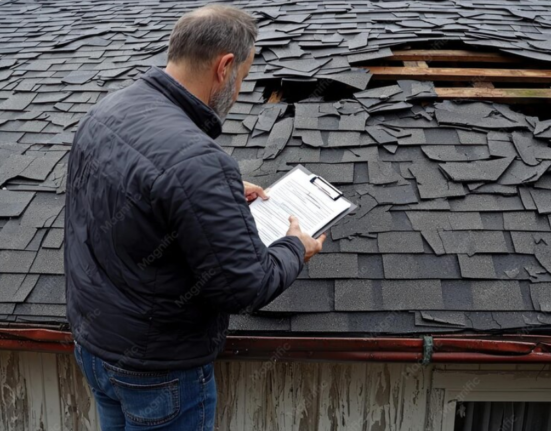
This is no exaggeration. A tiny water leak inside your walls can wreck havoc by rotting drywall, causing floorboards to sag, and fostering molds until you even realize there is a problem. The typical amount paid on a water damage insurance claim in the US today is above $11,000, and the best part is that most of this could have been avoided!
Why Traditional Detection Isn’t Enough
Traditional techniques of leak detection were limited by the fact that they required smelling a mold or spotting stains, by which time the damages had already been caused. The introduction of smart leak detection devices brings about a complete revolution in the whole approach to detecting leaks. These devices employ various sensors, Wi-Fi connectivity, and even automatic shut-offs to identify leaks right at their onset, when you are not even aware of the situation.
These smart leak detectors notify you by sending an alert to your phone or making an alarm at home, and some even automatically turn off the water supply in your home. They operate in places that you generally do not access like under sinks, behind washers, next to water heaters, and close to sump pumps.
How Smart Leak Detection Actually Works
In essence, the system is built on the use of moisture sensors that create an electric circuit when water comes into contact with the sensor. Modern devices have evolved from these basic alarm systems:
- Conductive sensors immediately detect any water via metal electrodes
- Water usage monitors measure all your home’s water flow and identify any anomalies
- Automatic valves automatically cut off water flow upon detecting leaks
- Pipes freeze sensors alert users about potential pipe freeze problems (below 45°F)
They usually connect to your home Wi-Fi network and provide push notifications to your smartphone. Some may also work within smart home systems such as Alexa, Google Home, or Apple HomeKit.
The Best Types for Every Homeowner
But not all systems will be suitable for all kinds of homes. This is how it would work:
Point Leak Detectors are tiny devices that run on batteries. The sensors have to be installed in vulnerable areas. They cost $20-$60 each and do not need to be installed as they signal an alarm when moisture gets in contact with it. It is the best system for sinks, water heaters, and laundry rooms.
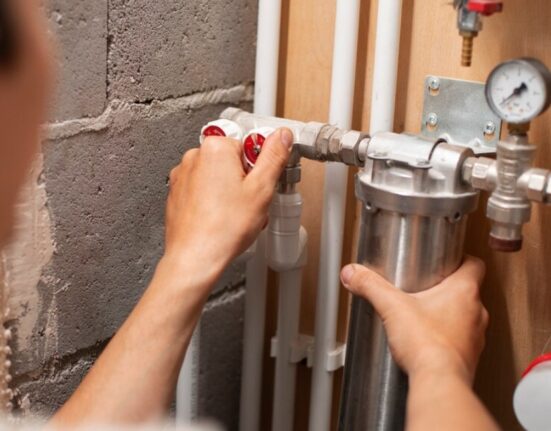
Whole House Leaks Monitor is a device that you can attach to your primary water line. It will be able to recognize water usage patterns and detect any leaks throughout the house, including those which cannot be seen easily. The whole home monitor costs from $200 to $500 and is capable of preventing tens of thousands dollars of damage. Some monitors shut off water when there is something suspicious about it.
The Shut-off Valve System will detect the leak and automatically stop the supply of water to the house.
Where to Install for Maximum Protection
Placement is even more important than you know. Some of the most efficient placements include:
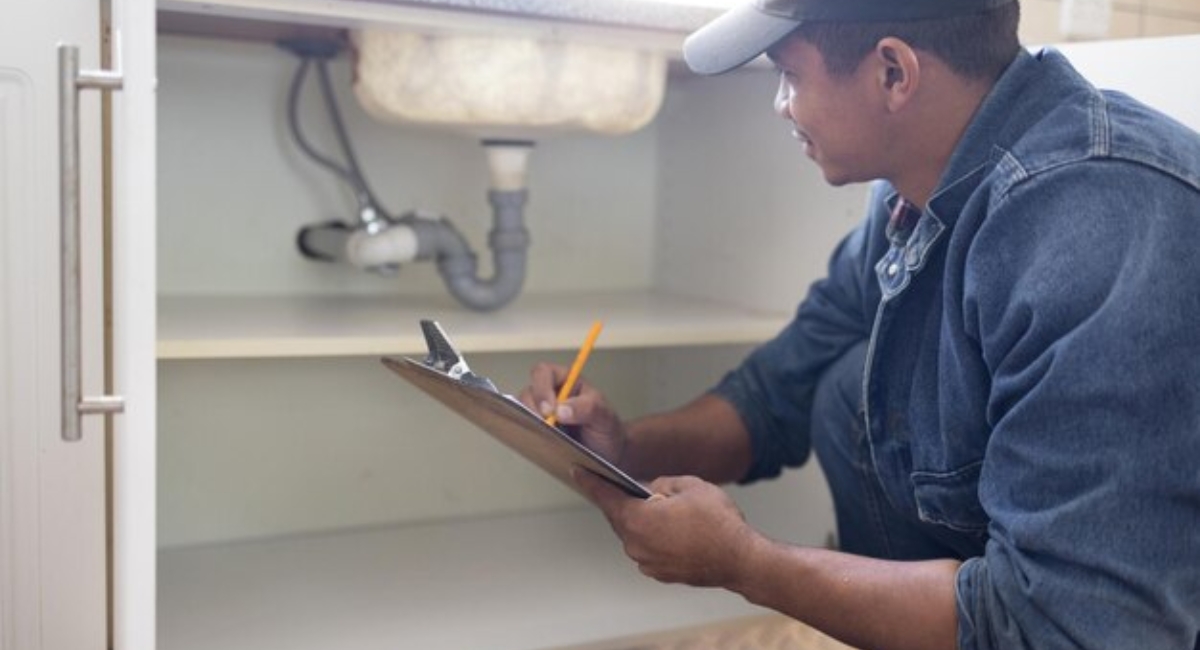
- Underneath all kitchen sinks and bathroom sinks
- Behind the laundry machine and dishwasher
- Beside the water heater and water softener
- Near sump pump in basements
- Next to the HVAC condensate drain
- Beside toilets and bathtubs
- In utility areas and crawl spaces
You need to place at least one device in each floor of your house. Basements and ground floors require more attention because water moves downwards, collecting damage as it moves.
Real Cost Savings vs. Installation Hassle
Basic leak detection devices cost between $20-$60 per unit and can be placed in minutes, without any tools, plumbing experience, or permits. A full house system costs more to install ($300-$800), but covers your entire property automatically.
Take into account that just one leak saved by a system makes up for its cost dozens of times. Many insurance companies give discounts for homes equipped with automated water protection, which saves you $50-$150 in insurance every year. Furthermore, such houses become more desirable for potential buyers.
Final Thought
Water damage doesn’t come with sirens or alarms. It sneaks up on you, quietly demolishing all the efforts that you have put in over the years. With smart leak detection systems, you can have eyes in the back of your head. You don’t even have to worry about keeping a watch.
In the case of American homeowners, who need to deal with old houses and pipes along with extreme climatic conditions, such devices cannot be considered a luxury.
FAQs
1. Are smart leak detectors effective in power outages?
Good quality detectors have battery back-up (typically working for about 2–3 years) and keep operating when there is no power. Systems for whole-house water leak detection with shut-off valves also usually feature battery back-up.
2. Are these devices prone to false triggers due to high humidity?
High-quality sensors can detect moisture without being affected by humidity because they only react to liquid water touching the sensor. Install them in places where there might be standing water, not in humid bathrooms.
3. Is professional plumbing required for installing these devices?
Point detectors don’t require any installation, you only need to position the sensor and connect it to Wi-Fi. Whole-house monitors and water shut-off valves are usually installed professionally, particularly if they connect to your main water pipe.
4. How fast will these devices notify me of a problem?
All the mentioned devices provide notifications about leaks almost immediately after detection via your smartphone. The devices also emit very loud alarms (at least 85 dB).
5. Is a smart water leak detector eligible for home insurance coverage?
Some companies give you an extra discount of 5–10% on your home insurance if you have installed water leak detectors and automatic valves at home.