
Does the roof simply provide shelter for your house or does it contribute something more?
This is possible through solar shingles which were specifically designed for generating electricity while looking like regular roof shingles. They have gained huge popularity among consumers due to their aesthetic appeal, functionality, and cost-effectiveness in the long term, although the initial cost is very high.
This blog will discuss the definition, prices, applications, and benefits and disadvantages of installing solar shingles.
What Are Solar Shingles?
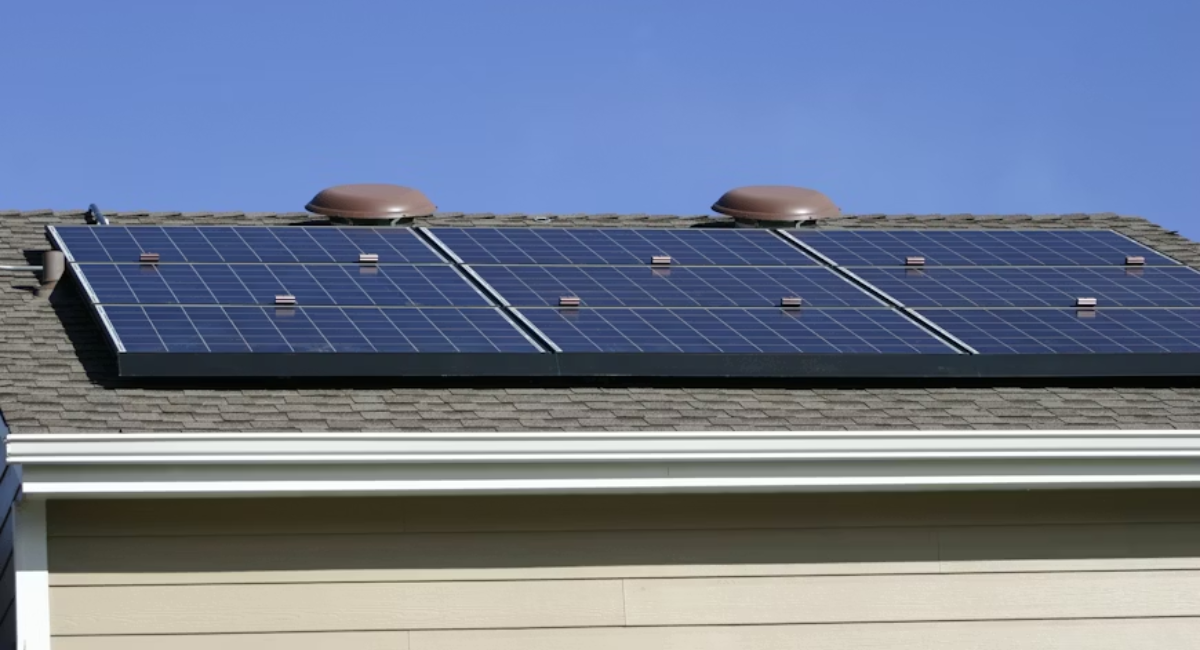
Solar shingles are roofing products that have solar cells embedded within them, which means they not only serve as a roof but also generate power from sunlight. They differ from conventional solar panels by being integrated into the roof rather than sitting atop it. This integration feature alone is a significant factor in their appeal.
Why Homeowners Like Them
First off, the appearance of solar shingles is very appealing. Since these solar shingles are not as visible as regular panels, people will appreciate how they look. Also, the solar shingles perform double duty by being both a protective layer and energy producer. This is convenient and increases the value of your house.
The second advantage of solar shingles is their ability to be used for roofs that will require a full replacement. If a person needs to have their roof completely replaced, then the solar shingles will work perfectly. The reason behind this is simple – a part of the roof is changing anyway.
The Cost Factor
This is where solar shingles become a difficult sell because they often cost more than conventional solar panels, and some sources have stated that they are able to cost significantly more than a conventional panel installation based on the square footage needed. The reason why solar shingles cost more money is simply because they include the price of both the roofing shingle and the solar component in one unit.
In addition, the homeowner must consider whether the upfront cost is worth the savings on their electricity bill, tax breaks, and increase in value of the property, which would provide the homeowner with payback in roughly eight to ten years according to some sources. In other words, the question is not necessarily “How expensive are they?” but rather, “How long are you planning on staying there?”
Efficiency and Performance
Solar shingles are indeed fashionable, yet sometimes they are not the most effective solution. In comparison to conventional panels, they do not generate so much energy per square inch or even have lower efficiency. Consequently, you may have to install more shingles on your roof than regular panels to get a similar level of power generation.
Thus, the condition of your roof becomes a vital factor, since it directly influences the efficiency of your shingles. Indeed, factors like the angle of the roof, sun exposure, and possible shading should be considered before installation, as the result largely depends on them. Simply put, solar shingles will perform optimally when your roof is properly exposed to the sun.
When They Make Sense
If you are looking at reroofing, constructing a new home, or valuing the aesthetic qualities of your home highly, solar shingles might be something to think about. There may also be homeowners who have a desire to install solar panels but not necessarily change the look of their house in doing so. For certain homeowners, aesthetics might just be worth the added expense.
On the other hand, if saving money is your biggest concern, then solar shingles may not be your best choice. If your aim is to save the most money and produce the most energy possible, conventional solar panels may be the better option for you.
Final Thought
The use of solar roof shingles may be considered worthwhile under certain conditions; however, the choice must be made by the correct type of homeowner. Solar roof shingles are justified in cases where solar energy is needed, there is a necessity to replace the old roof, and aesthetics are as important as energy efficiency. In terms of achieving maximum economic efficiency in terms of watts per dollar, conventional solar cells continue to dominate.
FAQs
1. Are solar roof shingles superior to solar panels?
No, but sometimes solar panels generate more electricity at a lower price, whereas solar shingles have better aesthetics.
2. For how many years will solar shingles last?
According to some sources, solar roof shingles can last longer than 30 years, although their efficiency will gradually deteriorate over time.
3. Will installing solar shingles enhance your house’s worth?
Yes, it can improve your home’s value since people generally prefer energy-saving features and an updated roof style.
4. Are solar shingles appropriate for all roofs?
No, factors such as roof geometry, inclination, shading, and sunshine availability play a role in determining how efficient solar roof shingles work.
5. Is there any disadvantage to installing solar shingles?
The most significant disadvantage is that they are expensive initially, particularly in contrast to conventional solar panels.