
Is it possible for one tiny stain to affect the appearance of your entire room?
It sure is. One stain from your spilled coffee, one stain from a spilled bottle of oil, and one stain that might appear on the wall can easily take precedence over the entire look of your room.
Fortunately, many of these difficult-to-remove stains can actually be dealt with using very straightforward techniques and ordinary household products. The key is acting quickly and choosing the right technique for the particular surface involved. You will find several useful tips and tricks on how to effectively remove stubborn stains in this blog.
Why Quick Action Matters
The older the stains are, the more difficult they will be to remove. The liquids penetrate deeper into the fabrics, the grease becomes more adhered, and the dust may become lodged within microscopic cracks on the wall paints or clothes.
It is essential always to start cleaning with a clean cloth or tissue. You should never rub or scrub the area where the stain is located, since this would cause the spread of the stain.
Before You Start Cleaning
Before applying any cleaner, determine the type of material first. What might be successful for cleaning carpets will not necessarily be effective when it comes to removing stains from painted walls or sofa upholstery.
Here are some basic items you should have at hand:
- Clean white towels or paper towels.
- Dish soap.
- Baking soda.
- White vinegar.
- Warm water.
- Soft brush or sponge.
A soft tool is usually more effective than brute force. The purpose is not to grind the stain into the surface but to remove it.
Carpet Stains That Need Fast Care
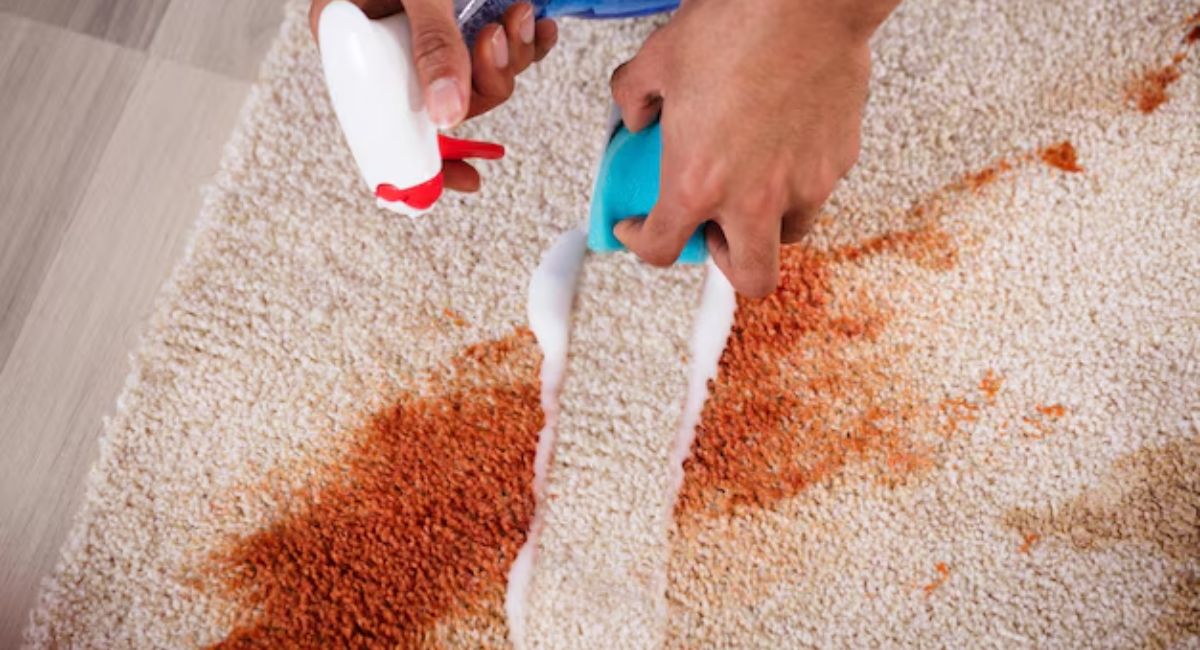
As spills happen immediately on carpets, speed becomes a priority. In the case of recent spills, the first thing to do is to soak up all the excess liquid. Afterward, combine some dish soap with warm water and sponge the spot carefully.
To treat greasy stains, apply either baking soda or cornstarch. Leave it for several minutes so that the substance could absorb all the grease, after which it should be vacuumed and washed using soapy water. For beverages like tea, coffee, and juice, soak up the stain using cold water, then apply a bit of soap.
In treating an old stain, it might take more time to restore the carpet to its original state. The key here is patience rather than aggressiveness.
Sofa Stains Without Damage
Sofas require additional caution due to differences in material types. Make sure to consult the care label before applying any cleaning agents. Some sofas can be cleaned with water, while other sofas require dry cleaning or specialized products.
In the case of food stains, remove the solid parts first, then clean with a damp sponge and soap solution. Oil-based stains should be handled by sprinkling baking soda to soak up the oil before cleaning. Drink spills should be blotted immediately and prevented from seeping into the cushioning materials.
When dealing with removable covers, make sure to follow care instructions on whether washing is permitted. When it comes to upholstery that cannot be removed, apply liquids sparingly to avoid excessive moisture. Excess moisture may result in staining or damage to the cushioning material beneath the sofa fabric.
Wall Marks and Smudges
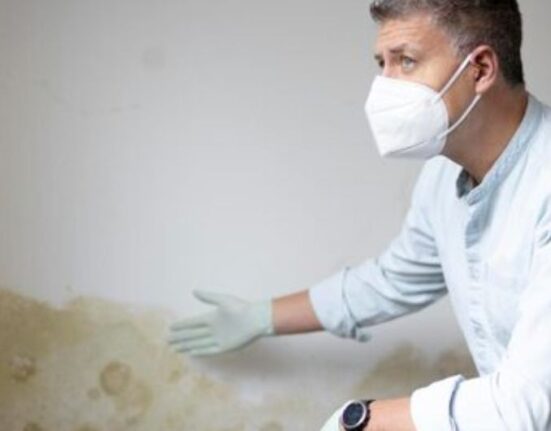
Most of the time, walls are marred by fingerprints, food spills, crayon drawings, or dirt smears. It is recommended that you use a moistened soft sponge or piece of fabric using lukewarm water. Test an inconspicuous portion of the wall to see whether the paint is affected.
Diluted dish soap could do the trick for minor stains. Crayons and pencil marks can sometimes be rubbed away using a soft eraser or baking soda mixture. Apply gentle pressure to avoid damaging the painted wall.
Stay away from harsh bleach solutions or scrubs since they will cause your wall to become discolored or will strip the paint from your wall.
Kitchen and Bathroom Trouble Spots
Kitchens tend to have grease, sticky substances, or sauce and spice residues. It is advisable to remove such stains before they dry and become harder to clean. A solution of dishwashing liquid and hot water can effectively clean most stains from countertops, tiles, and other washable surfaces.
Stains in bathrooms may include soap deposits, water stains, or mold marks. Mild cleaning agents should be used first, and harsher agents applied only when necessary. Good ventilation is important because stains tend to accumulate faster in humid environments.
It is advisable to clean kitchen and bathroom surfaces regularly using mild agents. It helps avoid stains in the long run.
Simple Fixes for Common Stains
Here are some quick fixes for stains:
- Coffee and tea: Blot with cold water, then use mild soap.
- Grease and oil: Sprinkle baking soda, wait, then clean.
- Ink: Dab carefully with rubbing alcohol on a hidden test spot first.
- Mud: Let it dry, brush off the loose dirt, then clean the rest.
- Food sauces: Scrape gently, then blot with soapy water.
While these steps are easy enough, it is important to act quickly.
Mistakes to Avoid
Several mistakes may actually worsen the stain. The most prominent is scrubbing, as it presses the stain further into the surface, potentially harming fabrics or paint. Applying excess water also results in rings, lingering smells, or residual dampness.
The other mistake is to use a cleaning product improperly without prior testing. Even milder solutions may change texture and color. Spending one additional minute on testing will save a great deal of effort.
Final Thought
Stains should never make you throw away your carpet, couch, or wall paint. If you act quickly, use the appropriate cleaning product, and are gentle, most stains can be removed without any trouble. The key is just to blot, test, and choose the correct technique for the surface.
FAQs
1. What should be done first in case of a stain?
Immediately blot the spot using a dry cloth or tissue. Never rub it.
2. Is vinegar effective for all types of stains?
No, although vinegar may eliminate certain kinds of stains, it can be harmful to many surfaces. Therefore, always try it first.
3. What is the most effective way to remove grease from carpets?
Baking soda and cornstarch are efficient in absorbing grease, after which the spot can be cleaned using gentle soap and water.
4. How can I clean stained walls without damaging their paint?
The best solution would be to gently wipe the wall using a damp cloth. If necessary, use mild soap.
5. In what cases should one call a professional cleaner?
If the stain has existed for an extended period, appears to reappear regularly, or is relatively large.