
What is the one disaster that may transform your warm and welcoming winter abode into a costly and troublesome situation in no time?
It’s the bursting of one frozen pipe, which could release hundreds of gallons of water into your house while you are sleeping. It’s not only about the hassle but it’s more like a financial crisis that can lead to the ruin of the biggest investment of your life – your house. Believe it or not, but houses of southern states are the ones that are mostly prone to such disasters. It’s because the plumbing systems of these places are unable to resist the freezing conditions.
And guess what, majority of such cases are totally avoidable through some simple and easy-to-follow precautions. You don’t need to be an expert in plumbing and neither do you have to spend a lot of money on preventing frozen pipes during the freezing weather of the United States.
Here are the five easiest methods to keep your plumbing system safe throughout the winter season.
Why Frozen Pipes Strike When You Least Expect Them
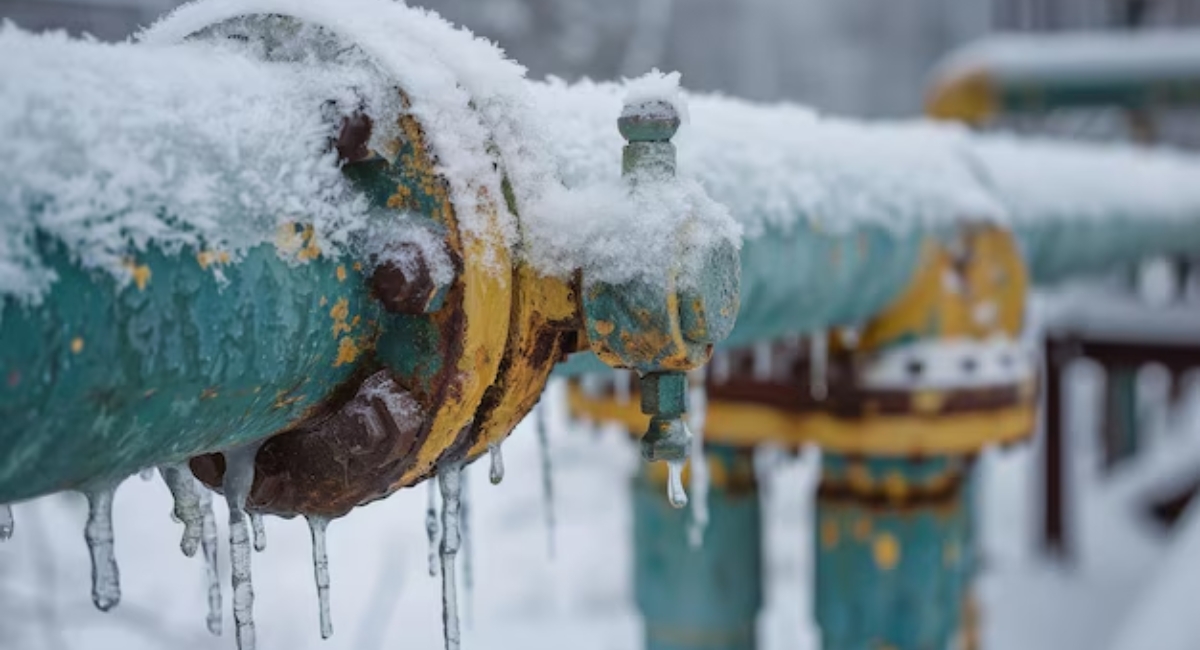
When water turns into ice, it expands and creates immense pressure in your pipes, sometimes up to 2,000 pounds per square inch – strong enough to split your copper or PVC pipes open. Water will continue to flow from your main water source while the ice formation builds up the pressure and splits your pipe at its most vulnerable spot.
The freezing weather threat exists when temperature drops below 40° F, mainly after dark. Pipes installed in the attic, basement, crawl spaces, and garage are the most susceptible to the freeze threat. However, one mistake many people make is assuming their pipes that run inside cabinets next to exterior walls won’t freeze because cold air penetrates your home.
Let Your Pipes Drip During Extreme Cold Spells
A simple solution, but very efficient, is to have dripping faucets whose pipes are visible to the naked eye. Dripping water does not freeze even at the temperatures at which standing water would freeze. If the weather report predicts temperatures falling to below 40 degrees F, especially during nighttime hours, have all your faucets dripping.
This will work since dripping water will take its heat from deeper underground, which will be above freezing temperatures. All it takes for the trick to work is a small dripping stream of water, five droplets per minute. The important thing here is to target those faucets located near walls and those with pipes under unheated spaces.
Keep Your Home’s Temperature Steady, Not Savings-Focused
Here is where common sense will work against you; reducing the heat of the thermostat when you are asleep or gone helps in saving energy but puts you at risk of having the pipes freeze. During severe winter conditions, you should leave the thermostat at 72°F until the freezing period ends. According to the American Red Cross, your thermostat should remain unchanged throughout the day and night in winter storms.
If you are going away during the winter season, do not switch off the heating system. You need to maintain the temperature at a minimum of 55°F. This not only saves you from the hassle of turning back but also helps protect the structure of the house.
Insulate Every Exposed Pipe You Can Reach
Insulation will be your best defense against freezing. Go over your house and check all the places where you have exposed pipes; such places may include basements, attics, crawl spaces, garages, or plumbing in cabinets. Insulate any exposed pipes with insulation foam, available at the hardware store.
Remember, not only cold-water pipes but also hot-water pipes need to be insulated, because both are equally likely to freeze. To protect your pipes further, you might want to purchase UL-listed heat tape or heat cables that cover the exposed water pipes in case there’s a freeze. You will find even half an inch of newspaper to do a decent job if you don’t live in a place with regular freezing weather.
Think about outdoor faucets, too. Disconnect and store hoses away, close inside valves serving the outside faucets, open outdoor faucets to let the rest of the water out, and leave outdoor valves open during cold months in order to prevent pipe bursting.
Open Cabinet Doors and Seal Cold Air Leaks
Simple air movement can prevent pipes from freezing. Let the air inside cabinets flow around pipes under the sink. It is particularly helpful if the pipes are located next to the exterior wall. Only take care not to place any dangerous items such as cleaning solutions out of reach of children.
Before the start of the cold season, it is necessary to examine the outer surface of the house to detect cracks or holes that lead to pipes. Seal these spaces using spray insulation and caulk to block the inflow of air into those spaces. Do not keep garage doors open because pipes may be located in the garage area.
Insulation must be added to places such as attic, basement, and crawl spaces that have pipes.
Final Thought: Prevention Costs Far Less Than Emergency Repairs
Freezing pipe emergencies do not just happen to everyone else; they happen to those who thought that they were well-prepared until that first freezing front arrived. All five tips mentioned earlier, allowing pipes to drip, keeping a constant heat level, insulating exposed pipes, leaving cabinet doors open, and sealing leaks in cold air, are practically free, yet could save your household thousands of dollars from potential water damage.
It is better to prevent than to treat; make these changes before you hear that horrifying sound of cracking pipes. Your future self will thank you for it later on.
FAQs
1. At what temperature will pipes freeze?
Pipes may begin freezing as soon as temperatures drop to below 40 degrees Fahrenheit, especially during nighttime. The likelihood becomes high at 20 degrees Fahrenheit or lower, but even heated indoor rooms may suffer from freezing in higher outdoor temperatures.
2. For how long should my faucets be allowed to drip to prevent freezing?
Make sure your faucets drip constantly for as long as temperatures remain below 40 degrees Fahrenheit and continue doing so at night. Allow a drip rate of about five drips per minute until temperatures go above that point.
3. Which pipes are likely to freeze?
Unheated indoor sections such as the attic, basement, garage, or crawl space are most prone to freezing. Pipes in kitchen or bathrooms that run along exterior walls pose a danger of freezing as well as faucets and sprinklers located outside.
4. How should I proceed if I believe that my pipe is frozen?
Leave the faucet open to allow water flow as soon as thawing starts. Thaw the pipes using a hair dryer, a heating pad, or towels soaked in hot water. Do not use any open flame for heating. Contact a professional plumber if the freeze cannot be located or thawed.
5. Is it safe to go away from my house during winter?
No, you should take some preventive steps. Maintain the temperature in your home at least 55 degrees Fahrenheit, and ensure dripping faucets when temperatures drop severely. Have someone inspect your house regularly while you are away. Disconnect your water supply system to outside faucets.