





Did you ever notice those ants crawling on the floor in the kitchen, the scratching noises inside the walls, or the spiders lurking in the corners, and wonder how they ended up there?
Pests in the house are prevalent around the United States, but the good news is that they can be dealt with effectively.
In this blog post, we will learn about the most prevalent pests in American houses, what causes them to enter the premises, and ways of ridding oneself of them without risking one’s children and pets or harming nature in any way.
Why Pests Enter Homes
Typically, pests are attracted to three main elements: food, water, and a place to hide. This can mean crumbs from your kitchen counter, stagnant water, pet food, and cracks in the walls and doors.
The warmth of the indoors is another factor that helps pests thrive. This becomes particularly important when the outside temperature is cold or rainy.
Common Household Pests
Some of the most frequently encountered pests in American households include:
- Ants, which are usually looking for sugar or crumbs in the kitchen.
- Cockroaches, which favor warm, humid areas and tend to reproduce rapidly.
- Mice and rats, which find their way into the house via small openings and seek out food and nesting locations.
- Spiders, which typically seek shelter inside the house to prey on other insects or remain undisturbed.
- Fleas, which usually hitchhike on household animals or bedding materials.
- Mosquitoes, which reproduce near pools of stagnant water within the property.
Safe Ways To Get Rid Of Them
Pest control begins with basic household hygiene. It includes keeping food stored properly, cleaning spilled food immediately, disposing of garbage frequently, and getting rid of standing water.
Close openings where pipes and wires enter the house; block all door frames and windows to prevent entry by pests. As far as ants and roaches go, use baits or traps rather than using aerosols inside the house.
Traps for rodents such as mice and rats are better options than poison, as the latter may be harmful to kids and other animals. Treat fleas by washing pet beds and consulting veterinarians.
In order to control mosquitoes, empty birdbaths, buckets, and gutters; eliminate any standing water that is present for several days. To prevent spiders, keep things clean and dust-free.
What Not To Do
One should not mix cleaning solutions or use spray solutions in confined spaces without first checking the label. Poison baits must be kept out of the reach of children and pets.
If pests persistently return despite control measures being employed, this generally means that there is a nest, water leakage, or an entryway somewhere. In such a case, merely getting rid of them does not solve the problem.
When To Call A Professional
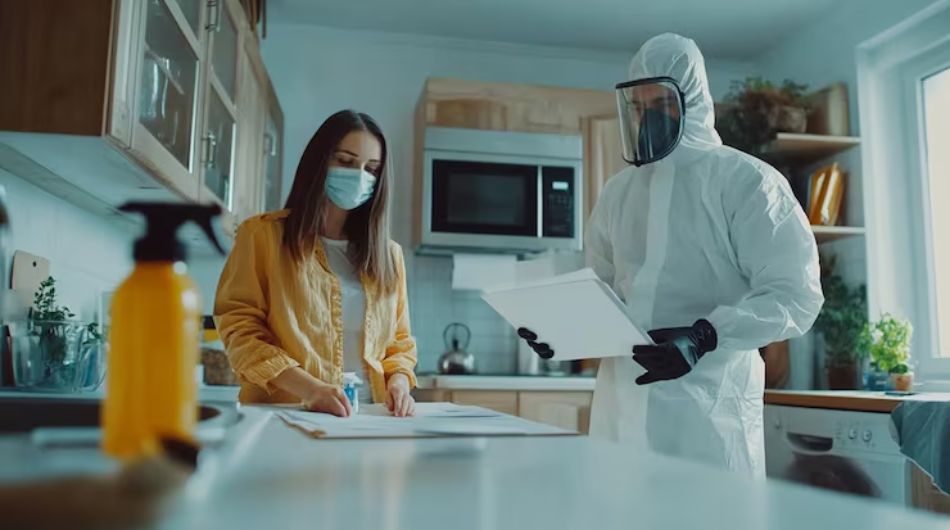
If the issue is too big, keeps recurring, and/or includes pests capable of causing damage to your property, like rodents or termites, you should consider consulting a professional. This is recommended if you do not know what type of pest you are facing.
Professional treatment would be more efficient in cases where pests are deeply entrenched within walls or other inaccessible areas of the house. It would be particularly useful if you are seeking a permanent rather than temporary solution.
Prevention Tips That Work
The most effective pest management strategy is the one that you perform on a weekly basis, and not just after you spot some pests.
- Wipe kitchen counters and sweep floors each day.
- Store food in air-tight containers.
- Repair any leakages and keep surfaces dry.
- Dispose of trash frequently.
- Seal all openings in your home.
- Cover pet foods when not in use.
- Get rid of excess clutter from your basement, garage, and storage areas.
Final Thought
Pest infestations are common in homes, but you don’t have to let them control your living environment. By adopting good hygiene practices, preventing them from entering your house, and removing them safely, you can make your home safer and more pleasant.
FAQs
1. Which household pest is the most prevalent in the U.S.?
Ants and cockroaches are some of the most prevalent pests in the United States since they are attracted by food, water, and shelter.
2. Are all-natural pest control methods safe?
Many of the natural methods are safe and helpful, including cleaning, ensuring entry points are sealed, and eliminating standing water. However, not all “natural” products are safe for use in every household. Always read product labels to determine safety.
3. Can I apply bug spray anywhere inside my home?
No. Using a bug spray in wide areas is dangerous and may not solve the problem. Consider using baits, traps, and other methods for more targeted elimination.
4. What does it take to ensure pests stay out for good?
Maintain a clean, dry, and sealed home. It all comes down to eliminating food, water, and entry points for pests.
5. When should I immediately contact professional pest control?
Contact a pest control service when you discover rodents, signs of termite infestations, and any recurrent infestations that require immediate attention.