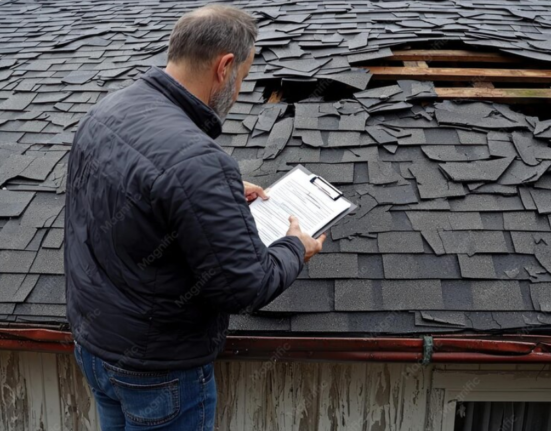






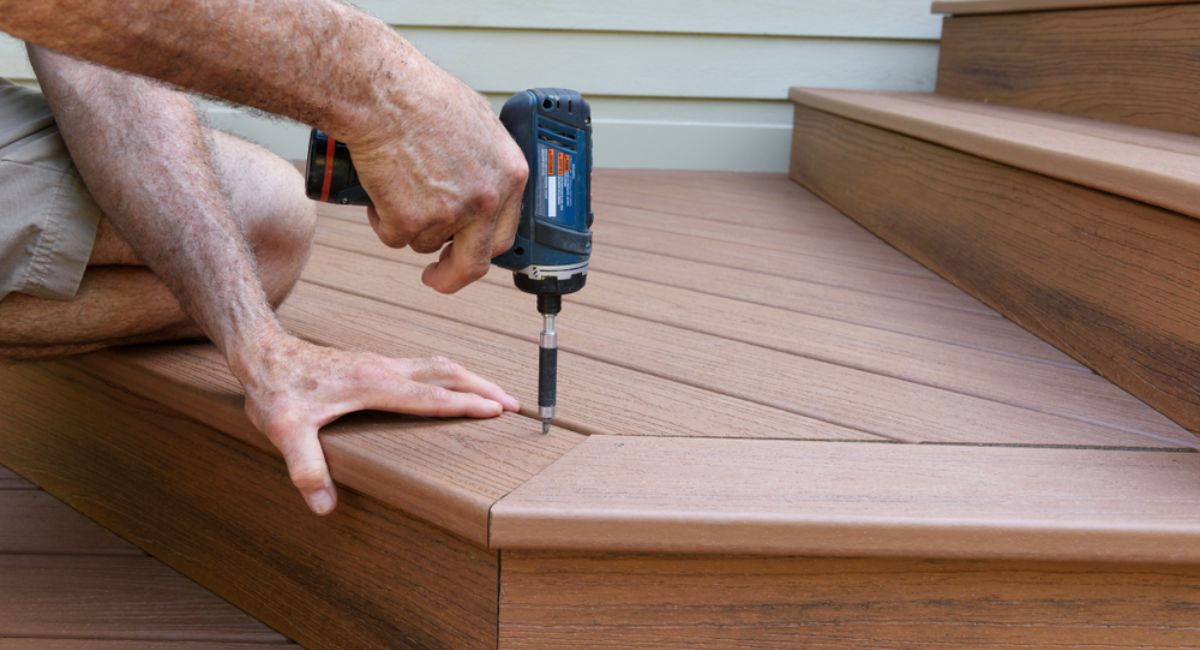
Are you wondering whether your deck is in need of a quick patch-up or total replacement?
Well, that will depend on safety issues, extent of damage, age, and longevity of the deck itself. This post will discuss all these aspects as well as more in easy-to-understand terms.
What This Guide Covers
Just because the surface of the deck looks great doesn’t mean that everything is fine under the surface. For example, some decks simply require replacing boards, repairing rails, and staining the surface, whereas other decks may have rotten frames or weak structures that require full replacement.
With this guide, you will learn how to differentiate one from another so that you can go with the most cost-effective choice.
Deck Repair Explained
Deck repairs involve repairing damaged parts rather than reconstructing the entire deck structure. Examples of such repairs include replacing broken wood planks, tightening loose handrails, fixing staircases, and addressing small sections of rotting wood.
Such an approach is typically recommended in cases where the integrity of the deck’s overall structure is intact, and the damage is confined to a single section or area of the deck.
Deck repairs are typically cheaper upfront compared to constructing an entirely new deck structure. Additionally, they work well for decks that have some functional use but require minor cosmetic improvement.
However, the disadvantage with repairs is that they can accumulate over time if the deck is old and deteriorating fast.
Deck Replacement Explained
Replacing a deck involves stripping the old deck and rebuilding a completely new deck. Homeowners normally opt for replacing the deck whenever they feel that the existing one is no longer safe, the wood has been extensively damaged by rotting, or the cost to repair equals nearly the total cost of a new one.
Replacing the deck means that you will have a brand new structure built with quality materials and an improved structure to suit the homeowner’s requirements.
Replacing the deck is usually expensive; however, in most cases, replacing a deck is more economically sensible than repairing a constantly deteriorating old one.
Cost And Lifespan
Reparation work is always cheaper in comparison to replacement. The replacement requires demolishing the old surface, installing the new materials, manpower and sometimes code alterations which are very expensive, but will last longer.
In contrast to repair, a newly constructed deck lasts many more years than one that needs repair. It depends on the materials and care.
Here is an easy formula:
| Option | Typical Cost Level | Lifespan Impact | Best For |
| Repair | Lower | Extends life for a short to medium time | Small damage, solid frame |
| Replacement | Higher | Starts a new lifespan | Major damage, old deck, safety issues |
Here’s one general guideline: if the deck itself is in pretty good shape, fixing it might be sufficient. If the structure is unstable, the decay is widespread, or the number of repairs keeps adding up, replacing it might be the better choice. It all boils down to this delicate balance between money and durability.
Signs You Should Repair
Repair should be considered if the deterioration is minor and localized. Repairing the deck might be enough if there are a few damaged boards, fading stains, and only one portion of the railing is loose. This should also be considered if the deck is relatively new and its structure below is in great condition.
Indicators of these include:
- Damaged planks, but there’s no rot.
- Loosened railings or stairs that could be tightened.
- Wear on the surface, but no structural damage.
- The deck remains safe and sturdy.
In cases where the repairs to be made are minor, and the deck still has a lot of years left, repairing it will likely be the most practical decision. This saves money and prevents demolition of something that still functions well.
Signs You Should Replace
Replacement is the preferred choice in case of extensive damage. The presence of soft spots, sags, heavy rotting, or weak support posts indicates that a deck is no longer safe.
A deck that needs constant maintenance will eventually cost more money than a newly constructed one.
Be aware of these symptoms:
- Rotten joists, beams, and support posts.
- Insecure railings that tend to wobble.
- Sagging or unlevel boards on the surface of a deck.
- Previous maintenance done within the last few years.
If the integrity of the deck is compromised, the only thing left to do is rebuild it from scratch. A new deck will give you more confidence in its condition.
What Homeowners Should Choose
Your options will depend on three main factors: safety, cost, and future considerations. If your deck is in good condition and the damage is minor, repairing it will be sufficient. But if your deck is old and dangerous or close to the end of its lifespan, replacement would be more appropriate.
The following guidelines can help in making your decision:
- Repair the deck if there is minimal damage and the framework is still sound.
- Replace the deck if it needs to be repaired frequently or the structure is compromised.
Replacement is recommended if you desire to change the appearance or materials used, as well as reduce maintenance costs in the future. In essence, repair means fixing the current structure, while replacement means starting afresh.
Final Thought
Deck repair can be effective in case of minor issues, but it should be noted that deck replacement becomes the more appropriate solution if safety, age, and expensive repairs become a concern. Choosing the correct one depends on several factors and cannot be defined by the need to save money only.
FAQs
1. How can I determine if my deck requires repairs or replacement?
If your deck only shows surface damages, then you can opt for repairing. If there is any sign of rotting or instability, then it will require replacement.
2. Are deck repairs always less expensive than deck replacement?
The answer is yes. However, if the deck has to be repaired repeatedly, it may be more expensive in the long run compared to replacing it.
3. How long can a repaired deck last?
This depends on the deck’s age and condition before the repairs. In some cases, a repaired deck can last several years more if the frame remains intact.
4. When should you replace a deck?
There are several signs indicating that the deck must be replaced. Structural damages such as sagging, soft wood, and loose support posts are among the most prominent indicators.
5. Should a deck replacement be done fully or partially?
In some instances, partial deck replacements are possible. This process is effective if a specific portion of the deck needs to be replaced while the rest of the structure is in good condition.