




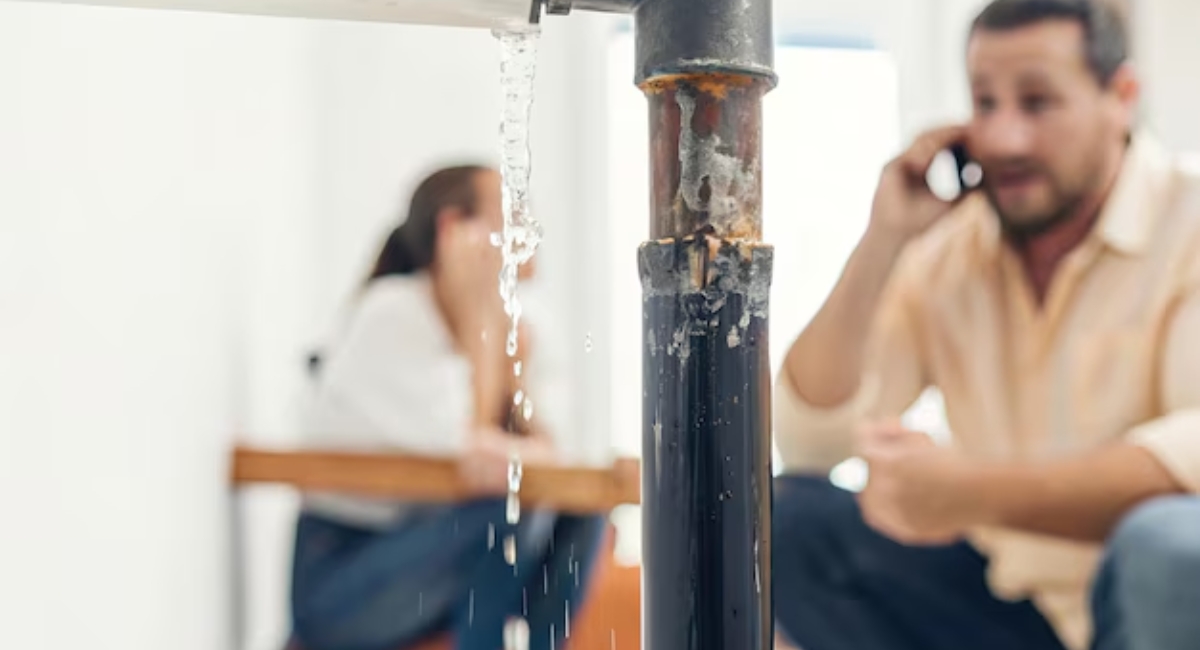
Ever wondered why your water bill continues to increase despite your consistent family practices?
You may want to take note because these increasing bills may be a sign that your pipes need your urgent attention. While many can detect leaks through leaking pipes or broken pipes, some minor signs are ignored until they lead to major damage worth thousands of dollars.
Why Ignoring Small Signs Leads to Big Problems
The plumbing system exists out of sight behind walls, under floors, and even above ceilings. The system provides many indications of deterioration even before it fails totally. Unfortunately, most households in America do not recognize those initial warning signs due to their ignorance of the relationship between household nuisances and damaged plumbing systems. That brown tint in your drinking water, the musty odor, and even the sound of clinking pipes could be overlooked as a mere annoyance.
The 7 Warning Signs You’re Probably Overlooking
Dirty Water or Water Stains
The appearance of dirty or discolored water is not always due to pollution or sediment. In such a situation, there is corrosion inside pipes that may consist of galvanized steel or iron; typically, this condition can be found in houses whose pipes have been installed before the 1970s. The rust inside gets flushed down, affecting the taste and even causing serious health issues in some cases.
Unexplained Increase in Your Water Bill
This can be a symptom of an undetected water leakage, and it is very expensive, because a minor leak can result in wasting up to thousands of gallons per year, which adds additional costs to your water bill. Some people tend to attribute these increases to rising prices or a continuously running toilet when it might actually be an indicator of leaking pipes.
Reduced Water Pressure from Multiple Faucets
Water pressure should be adequate at all times. When water runs weakly from several faucets, this is probably because the water flow has been restricted by corrosion that has occurred on the inner surfaces of the pipes.
Plumbing Leak Repairs regularly
Whenever you have plumbing leaks regularly fixed in various parts of your home, it is a sign that your plumbing system is aging. This means that the leaks should not be repaired but that a whole overhaul of the entire plumbing is required.
Sounds Coming From Your Pipes
Banging, rattling, and knocking sounds during water flow are a sign that there is an issue somewhere. There may be loose pipes in your system or pipes having to struggle through internal deposits that have been formed due to corrosion.
Musty Odors or Damages in Walls
If your home has persistent musty smells or damp patches, it can mean there is water damage coming from leaking pipes. Peeling walls and even mold growth can mean that pipes are leaking internally causing these issues.
Water Temperature Changes
The constant change in water temperature, whether hot or cold, is a sign that you need to take action fast. It can show that your pipes are deteriorated where the water heater connects or that pressure has shifted.
The Hidden Dangers of Delaying Pipe Replacement
Putting off the pipe replacement will only cause more troubles. Structural elements like drywall, insulation, and wooden beams will get weakened by water. If there is mold in your house for 24-48 hours after the flooding, then you should take action and do something about it to protect yourself and your family. Emergency repairs caused by broken pipes are very expensive compared to routine replacements, let alone all the trouble of being in such a situation.
The useful life of galvanized steel is from 40-50 years while copper pipes serve from 50-70 years. If your house is old enough to be in that period of life, then replacement of those pipes would be the right choice rather than making unnecessary repairs.
When to Call a Professional Instead of DIY
Whereas minor problems related to plumbing can be tackled on one’s own, replacement of pipes is a job which should only be done by the experts. These professionals will help analyze your complete system, detect all potential red flags, and advise you on the most effective way to replace your pipes. It must be remembered that these experts also make sure that the job complies with all the relevant building codes.
Final Thought
Although your pipes are working quietly, they are certainly visible. The small warning signs, such as discoloration of water, increase bills, odd sounds, and wet spots, are your house’s way of alerting you to an impending issue. However, most homeowners usually neglect these warning signs until it becomes too late, resulting in costly repairs, and ultimately, severe water damage to their property. Addressing this issue the moment you see these warning signs will not only save you money but also help prevent structural damage.
FAQs
1. When should I replace my pipes?
It’s better to replace old pipes that show leaks often, present many warning signs at once, or are more than 40-50 years old because repairing them would cost you more money than installing new ones. To receive recommendations from an experienced plumber on your pipes’ condition, contact professionals who work in your area.
2. What’s the price of repiping a house in America?
On average, homeowners should be prepared to pay between $1,500 and $15,000 depending on the size of the residence and type of pipes installed. While copper pipes are more expensive than PEX or CPVC, they guarantee protection from water leaks.
3. Is there anything wrong with brown water as long as it gets clean after a few seconds?
No. The fact that water becomes crystal clean doesn’t mean everything is okay with the pipes. Initially, pipes become corroded inside, and rusting will gradually worsen and lead to permanent water quality issues.
4. What is the lifespan of various pipes?
Galvanized pipes have a lifespan of 40-50 years, while copper has one of 50-70 years. PVC pipes have a lifespan of 70+ years, while that of PEX pipes is 50+. Should the pipes in your house be near or past their lifespan, they need to be replaced immediately.
5. Is replacing your pipes likely to increase the value of your home?
Yes, it will. The installation of new pipes adds value to any home since it shows that a major part of the house is up-to-date.