


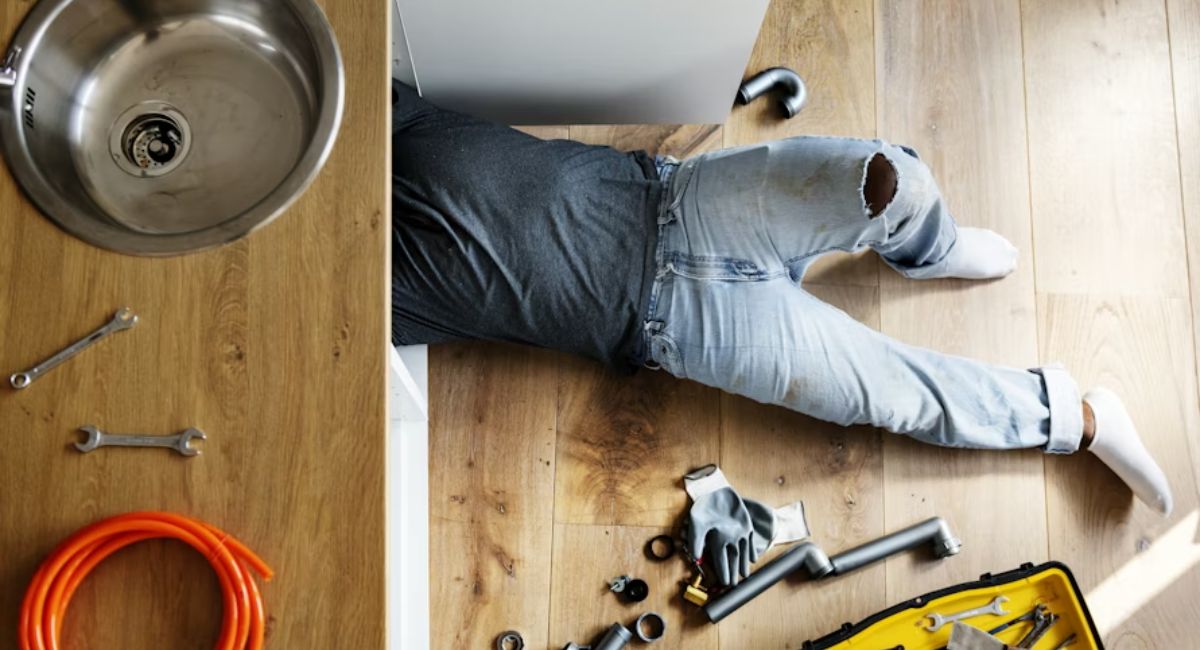
Is it possible that a minor plumbing issue could escalate into a costly disaster?
It’s one of the realities of repairing a home. A dripping faucet, sluggish drain, or minute leakage isn’t typically a cause for concern; however, it might eventually cause water damage, mold growth, increased utility costs, and expensive repair work. Fortunately, most plumbing problems can be avoided by following basic maintenance procedures.
This blog will discuss an essential plumbing maintenance checklist for homeowners. We’ll cover how to avoid plumbing disasters in your home while saving money on plumbing expenses.
Why Plumbing Maintenance Matters
Your plumbing system operates silently each day. It brings fresh water into your home, sends sewage away, and performs numerous activities including cooking, washing, and bathing. Since it is highly utilized, any problem that may arise can become significant very soon if not addressed.
Plumbing services will help you:
- Detect leaks sooner than later.
- Avoid blockages and backups.
- Increase the lifespan of pipes and plumbing equipment.
- Conserve water and lower utility bills.
- Avert unexpected repair expenses.
It is similar to health care for your house. A little care now will prevent bigger problems later on.
Monthly Plumbing Checklist
Some plumbing maintenance checks should be done monthly. They are simple, easy, and definitely worth the time.
1. Watch out for Drips
Inspect sinks, toilets, walls behind any appliances, and any visible piping for leaks, even the smallest ones that can lead to wastage of water and cabinet/floor damage.
2. Test your Faucets and Shower Heads
Turn all your faucets and shower heads on and watch their water pressure and flow rates. If you see a sudden decrease in flow rate or irregular flow, it may mean that something needs attention.
3. Observe Drainage Rates
Time your sinks’ and showers’ drainage times, as slow draining indicates the beginning of buildup.
4. Check Your Hot Water Heater Environment
Observe the vicinity of your water heater for anything odd.
Seasonal Plumbing Checklist
There are a few tasks that you must undertake during the seasonal changes, especially when living in an area characterized by harsh summer seasons, monsoons or rains, and extreme winters.
Spring: Inspection After Use
During spring, you can inspect your pipe system, outside faucets, and garden hoses after the long winter months have been over.
- Inspect outside plumbing systems for any breaks, leakages, cracks, etc.
- Ensure that your gutters and downspouts are clean to divert water from your house.
- Test your sump pumps in case you have any installed.
Summer: Guarding Outdoor Plumbing
The warm weather and garden work can create additional problems with your plumbing system.
- Test your hose bib and other outside plumbing fixtures like faucets.
- Inspect irrigation line connections for leakage and breaks.
- Verify that all your sprinklers systems work effectively.
Monsoon Season: Protection against Damages from Water
Rainfall might strain your entire drainage system.
- Ensure that all drains and gutters are cleared.
- Watch out for dampness in walls and ceilings.
- Make sure there is no accumulation of water around the foundation of your home.
Winter: Prevention of Frozen Pipes
Pipes may freeze and crack in colder regions.
- Protect exposed pipes by insulating them.
- Disconnect all your outside garden hoses.
- Maintain temperature indoors, regardless of how low or high.
Common Plumbing Problems to Watch For
Not all plumbing problems come without any indications.
Leaky Faucets
Even though a leaky faucet is not an emergency at first glance, it can waste a huge quantity of water over time.
Running Toilet
If your toilet continues to run after you flush, it might be due to a worn-out flap or float valve.
Drainage Problems
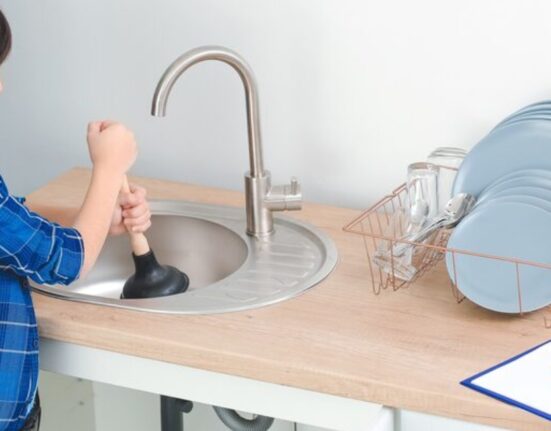
This usually means that there is hair, grease, or soap residue clogging your drain.
Water Pressure Issues
Low water pressure may result from mineral deposits, leakage, or insufficient water supply.
Unusual Sounds
These can indicate air in the pipe, loose joints, or even clogs.
Easy Habits That Prevent Damage
Plumbing maintenance does not just involve repairs. It involves daily practices that prevent any issues from arising in the first place.
- Do not dispose of grease in your kitchen drain.
- Employ drain screens to capture hair and food particles.
- Only flush toilet paper and waste materials.
- After using the sink, run some hot water.
- Reduce the use of strong chemicals because they may corrode the pipes.
Small actions, when done repeatedly, can safeguard your plumbing system.
When to Call a Plumber
Some tasks can be handled by home owners themselves, while some require professionals. Call a plumber in case you see:
- Water marks on walls or ceilings.
- Constant blockages in the same drain.
- Decrease in water pressure.
- Smelly sewage smell from drains.
- Wet spots in the yard without any obvious cause.
- A leak or broken pipe.
If the problem is recurring, it means the underlying problem has not been solved.
Final Thought
Plumbing care does not necessarily need to be difficult, expensive, or lengthy. If you follow some basic guidelines and develop some good habits, you will be able to take care of the little problems that arise before they become bigger problems that end up costing you money. All you need to do is remain diligent.
FAQs
1. At what frequency should homeowners inspect their plumbing?
An inspection once a month is recommended, alongside a thorough check during different seasons.
2. Which is the most frequent plumbing issue faced by many homeowners?
Leaking pipes, clogging of drains, and running toilet flushes among others.
3. Is it okay to use chemical drain cleaners frequently?
No, frequent usage may eventually lead to pipe damage. It would be advisable to use a plunger or a drain auger instead.
4. How can I identify an undetected leak?
Some of the signs could be increased water bills, wet patches, mold odors, peeling paint, and water marks.
5. When is it wise to contact a plumber rather than fixing it by yourself?
For major leaks, persistent clogging, decreased water pressure without an obvious cause, and other recurrent problems.