






Do you see a little water leakage, a slightly curling roof tile, or a stain on your ceiling and wonder if it is something major?
Most roof damage usually begins small but progresses quickly, causing more damage when ignored for too long. This blog discusses the warning signs that your roof needs urgent repair work and their importance.
Why Roof Warning Signs Matter
Your roof is responsible for protecting your house against rain, heat, wind, and dust on a daily basis. When there is something wrong with it, moisture and water seep into walls, ceilings, insulation, and timber. This means that you should not take your time fixing any problems associated with the roof.
1. Water Stains on Ceilings or Walls
Stains on the ceiling or moisture stains on the walls indicate roof leakage. The stains might be minor initially, but in reality, water is seeping into your house already. Over time, the problem could affect paint, plasterwork, and electrical components. This is definitely an unmistakable indicator that your roof requires immediate maintenance.
2. Missing, Cracked, or Curled Shingles
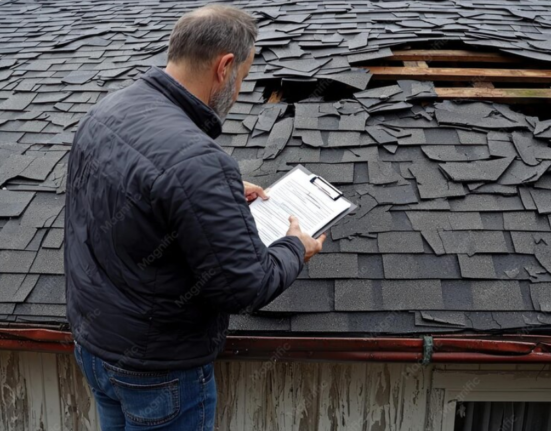
Shingles form the outermost layer of defense for most roofs. Their absence, cracking, breaking, or curling will make the roof more vulnerable to further damage once it rains. Wind, aging, and high temperatures can deteriorate shingles. The condition of the shingles is an important indicator that should be assessed right away.
3. Sagging Roof Areas
The roof line must have a straight and sturdy appearance from the exterior perspective. However, if there is any sagging or bending at any point along the roof structure, then it would indicate a very serious structural issue. Such situations could arise due to various factors such as water damage and rotting among others.
4. Leaks During or After Rain
If there is water dripping inside when it rains, the roof is failing. Water leakage can be found near the window areas, chimneys, vents, or the attic even before noticing any major leakage inside the living room. Leakage even as small as dripping water can cause molds and deteriorate wooden materials over time.
5. Granules in Gutters
When asphalt shingles get old, they start to lose their protective granules. When you notice many such dark particles in your gutters and around the downspouts, then the chances are that your roof is aging. The granules provide a layer of protection against the UV rays of the sun. The loss of such granules can be an indication of roofing problems.
6. Light Coming Through the Attic
As you step inside the attic, look out for daylight coming through gaps in the roof sheathing. If the light gets in, water will get in too. Such gaps could occur due to damage to your roofing shingles, flashing, or decking.
7. Mold, Musty Smell, or Damp Insulation
An unpleasant odor coming from the attic or top floors can indicate moisture issues. Mold is usually found when there is an invisible leak that leads to dampness. The presence of moisture in the attic means that your roof is already leaking, and this problem should not be taken lightly.
8. Damaged Flashing Around Roof Openings
Flashing is the metallic material used for chimney, vent, skylight, and edge protection on the roofs. When the flashing is bent, loose, rusty, or missing, moisture can easily enter through these vulnerable spots. It is one of the most common reasons for leaks because these areas are under more stress than others during bad weather.
What To Do Next
Should you spot a single warning sign, be vigilant with monitoring the surrounding area. However, should you identify two or more signs, it is advisable that you contact an expert roofer without delay. Take photographs of the problem, particularly after a rainy season, for future comparison.
Final Thought
Failure of a roof seldom happens all at once. It normally gives warning signals before its collapse, and that is when you get a chance to be proactive about the situation. The earlier you are able to recognize these signals, the better for you.
FAQs
1. How do I know if my roof leak is serious?
Leaking that has made its way inside the house, left stains behind, is dripping, and creating a musty smell needs to be taken seriously.
2. Should I take action against a minor roof leak?
It would be best not to delay taking action because roof leaks tend to become even larger problems in time and affect other parts of the roof.
3. When should I inspect my roof for potential leaks?
You may want to make an inspection whenever there was bad weather lately and annually have a professional look at it.
4. Do I need immediate repairs if some shingles are missing?
No, they don’t necessarily qualify as an emergency, but it still needs to be fixed as soon as possible before more water damage can occur.
5. When should I contact a roofer?
Contacting a roofer immediately after noticing any leaking, sagging, significant shingle damage, or other similar signs is recommended.