





Imagine having a shower system that knows your exact temperature preference, and a toilet that alerts you to any potential leaks before they escalate into more serious issues!
A bathroom today is no longer merely an area where we complete our basic functions—it has become a sanctuary dedicated to maintaining optimal wellness conditions. Contemporary households demand more than just piped amenities, they require plumbing systems capable of conserving water, adding comfort, and integrating seamlessly into the homeowner’s lifestyle. Plumbing systems have evolved to become more sophisticated than ever, but their primary function remains meeting the homeowner’s demands.
Join us in this blog post as we discuss the most popular smart bathroom plumbing trends for 2026, including digital showers, touch-free faucets, and other innovative solutions.
Touchless Technology That Feels Like Magic
Automatic faucets and soap dispensers that were once restricted to fancy hotels are now part of everyday life in ordinary homes. By 2026, the faucets will come equipped with sophisticated motion-sensing technology, which reacts quickly to hand movements, meaning you won’t have to touch the handles with wet or dirty hands. The sensors can also be adjusted to prevent any accidental faucet activation when you wash your face.
In addition to the obvious hygienic benefits for parents and kids, there is an added advantage of automatic turn-off, which stops unnecessary wastage of water because the water tap automatically turns off when you walk away. The faucets feature a screen that displays real-time water consumption.
Digital Showers That Learn Your Preferences
The digital shower systems can be considered one of the coolest plumbing inventions for 2026. Digital showers allow you to set exact temperature and flow rate parameters and start them by pressing a button, uttering a command or using a smartphone application. Imagine yourself stepping into a shower adjusted to your ideal 102°F degree, with pre-set rainfall mode and favorite LED lightning.
Today’s digital showers have numerous other options besides adjusting temperature:
- Temperature precision control keeps your water within 0.5°F margin
- The preheating option will warm your bathroom up while you’re still sleeping, particularly useful during the coldest seasons
- Flow memory saves the desired water pressure and spraying modes
- Consumption measurement displays the amount of water used immediately by apps or directly on shower panels
- Compatibility with voice commands allows controlling showers via home assistant applications
Certain models come equipped with body jets, chromotherapy lamps, and even Bluetooth audio systems, creating a full spa-like experience.
Smart Toilets That Are Standard, Not Luxury
However, smart toilets are no longer perceived as luxuries. The 2026 generation of smart toilets comes equipped with all those previously considered futuristic technologies at affordable prices. Features such as heated seats, automatic motion-sensor lids, and self-cleaning using UV light are found in average homes, not only in luxurious mansions anymore.
Another very popular feature of today’s smart toilets is its built-in bidet functionalities. This includes adjustable pressure and temperature settings as well as specific cleansing positions. Some of the models also provide automatic lid opening/closing, night lights, and even smell-removing devices activated during flushing.
But the most important difference between the latest generation of smart toilets and other products on the market is their ability to monitor your health status. Using sensors that recognize any abnormalities and even analyze the waste, smart toilets help detect possible health problems and plumbing leaks. Leak detection mechanisms notify owners immediately about any leakages via mobile applications and thus prevent water damage.
Concealed Plumbing for Clean, Minimalist Aesthetics
In 2026, minimalism will still prevail in bathroom designs, and concealment of the plumbing system will be essential to obtain such a result. The use of wall faucets, concealed showers, and in-wall toilets creates so-called “clean silences,” which is an empty space for textures and reflections of light.
There are other advantages of using concealments, such as:
- Simpler cleaning, since there are no pipes to wash
- Protection of the pipes from possible injuries
- Opportunity to arrange compact furniture
- Silence, as the pipes are installed inside the wall
The new technology of the system made installation and subsequent maintenance much more convenient than earlier versions of concealed pipes.
Water Conservation Without Compromising Performance
However, sustainability cannot be ignored in 2026 when designing bathrooms, and customers will not give up on performance in favor of eco-friendliness. Low flow fixtures provide users with a pleasant water pressure similar to that offered by standard plumbing products while reducing water use by 30-40%. Aerators allow mixing water flows with air, thereby producing a higher stream that is not as wasteful.
There is an increase in popularity of greywater systems that recycle used sink and shower water and use it for irrigation. Ecosmart shower heads feature automatic flow restriction depending on temperature settings to ensure a more comfortable shower experience and save water at the same time.
Temperature-controlled faucets displaying current water consumption rates keep homeowners aware of their consumption habits.
Wellness Technology Creating Home Spa Experiences
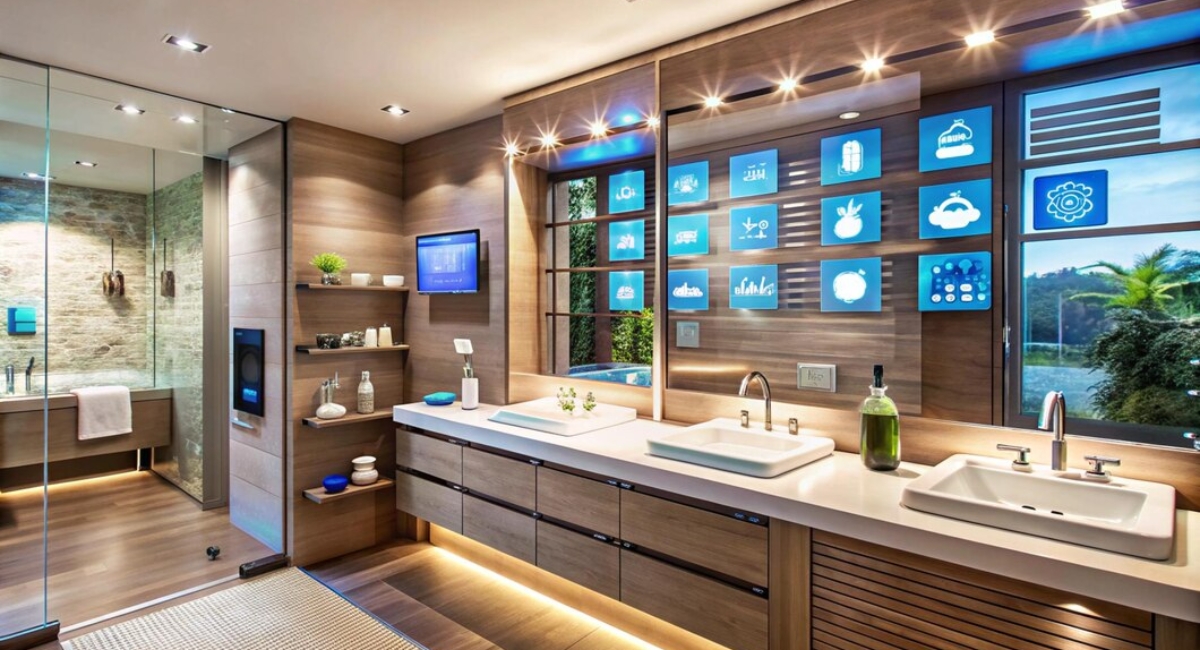
The evolution of the bathroom to become the ultimate relaxation oasis is taken further by 2026 due to the addition of cutting-edge technologies to create the ideal spa environment. The combination of mood lights via adjustable mirror cabinets, built-in music systems, and scent environments will be used to create the appropriate ambience.
The creation of hydrotherapy bathtubs with adjustable jet functions, steam showers featuring aromatherapy, and rainfall showerheads with adjustable spray patterns will make the mundane activity of bathing into a rejuvenating ritual. Innovations in smart heating have evolved from towel heaters to floor, drawer, and even voice-activated radiant heaters that only operate when needed.
In addition, circadian lighting technology will change the color temperature of lights from bright, energizing blue in the morning to relaxing warm lighting at night.
Smart Home Integration That Actually Works
The ideal smart bathroom plumbing solution by 2026 will seamlessly integrate into the existing ecosystem of the smart home without the need for complex installation procedures and separate apps. This will be achieved when you leave the gym with the preheated shower in your smartphone app or start the evening bathing procedure using voice commands.
Some integration capabilities include:
- Control via apps for setting temperature, monitoring water usage and leaks
- Voice assistant compatibility with popular smart home solutions
- Automation of a series of operations involving several installations (lights, shower, fog prevention in the mirror)
- Remote access to monitor the state of the bathroom while being away from home
- Analysis of energy efficiency in terms of consumption of water and electricity
The technology focuses on making your life easier without adding unnecessary complications.
Final Thought
The intelligent plumbing for a bathroom in 2026 won’t come with bells and whistles for nothing. Instead, they will offer some tangible benefits, such as saving you money on your utility bills while being more eco-friendly at the same time. This includes touchless faucets, automated showers with built-in memory, and other technologies which will make your everyday life easier.
Those people who are going to appreciate intelligent plumbing in bathrooms the most are the ones who understand that they need technology in order to simplify certain processes. Intelligent faucets and toilets, as well as various wellness technologies for your bathroom, are some examples of the plumbing technology for 2026.
In general, people like intelligent technology not only because it’s cool but mostly because it’s practical. This is why they prefer voice controls and automatic shower systems, leak detectors, and everything else connected to improving one’s quality of life. With time, these technologies will turn into the basic ones.
As a result, you shouldn’t hesitate any longer to include these technologies to your home remodeling project or any other improvements.
FAQs
1. Is installing smart bathroom appliances costly?
The price range of smart bathroom fixtures varies widely, with numerous moderately priced products available on today’s market. For instance, touchless faucets can be bought for about $150-300, digital showers for $500-2,000, and smart toilets for $800-3,500. Most people agree that smart bathroom fixtures are worth purchasing due to considerable water savings and home resale value benefits in a short while.
2. Do I need special plumbing and electricity for my new smart toilet?
The vast majority of smart toilets are equipped with ordinary plumbing connections and require access to an electrical socket. The reason for this lies in certain additional features of these smart appliances, namely, heated seating, bidet function, and an auto-lifting lid. Although you need plumbing for this toilet type, its installation requires an outlet nearby; hence, your bathroom needs it too.
3. How effective are touchless faucets, and do they waste water?
The latest touchless faucets in 2026 feature advanced technology sensors with variable sensitivity levels; therefore, they are extremely dependable and will experience very few false triggers. The touchless technology works efficiently even with wet hands. Moreover, most models include a manual handle which can be used if needed.
4. Can I install the new bathroom gadgets to my existing bathroom without any renovation?
Yes, you can, as there are lots of bathroom devices that can fit into existing bathrooms with no need to renovate everything.
5. What will happen if my house faces a power outage? Will my bathroom gadgets work?
Smart bathroom devices have backup functions in case of power failures. Touchless faucets are equipped with a manual handle, the digital shower can operate manually while regulating the temperature of water, and the smart toilet can still flush without electronics.